A po' boy is a sandwich originally from Louisiana.
0:09
How it works, in terms someone would actually use
It uses a New Orleans French bread roll cut lengthwise.
0:21
What it gets right
It gets right the contrast between crisp, airy bread and hearty fillings like roast beef, ham, or fried shrimp, oysters, or crawfish.
0:30
What it does not
It does not emphasize vegetables or plant-based proteins — its traditional fillings are meat or seafood.
0:36
What it changed
The fried oyster version has a distinct name — 'oyster loaf' — and an older history separate from the 1929 po' boy.
0:45
Who it is for, and who it is not
It is for people who prefer sandwiches with meat, seafood, or cheese.
0:59
Is it worth your time
It is worth your time if you want a regional sandwich built around substantial protein and local bread.
Worth your time?
Selectively. Start with the brief, then cook the parts we point at.
What works
It gets right the contrast between crisp, airy bread and hearty fillings like roast beef, ham, or fried shrimp, oysters, or crawfish.
What does not
It does not emphasize vegetables or plant-based proteins — its traditional fillings are meat or seafood.
Cook it if
Skip it if
The written brief1 min read
What the dish is and where it came from
A po’ boy is a sandwich originally from Louisiana. The name derives from non-rhotic southern accents and reflects the term ‘poor boy’.
How it works, in terms someone would actually use
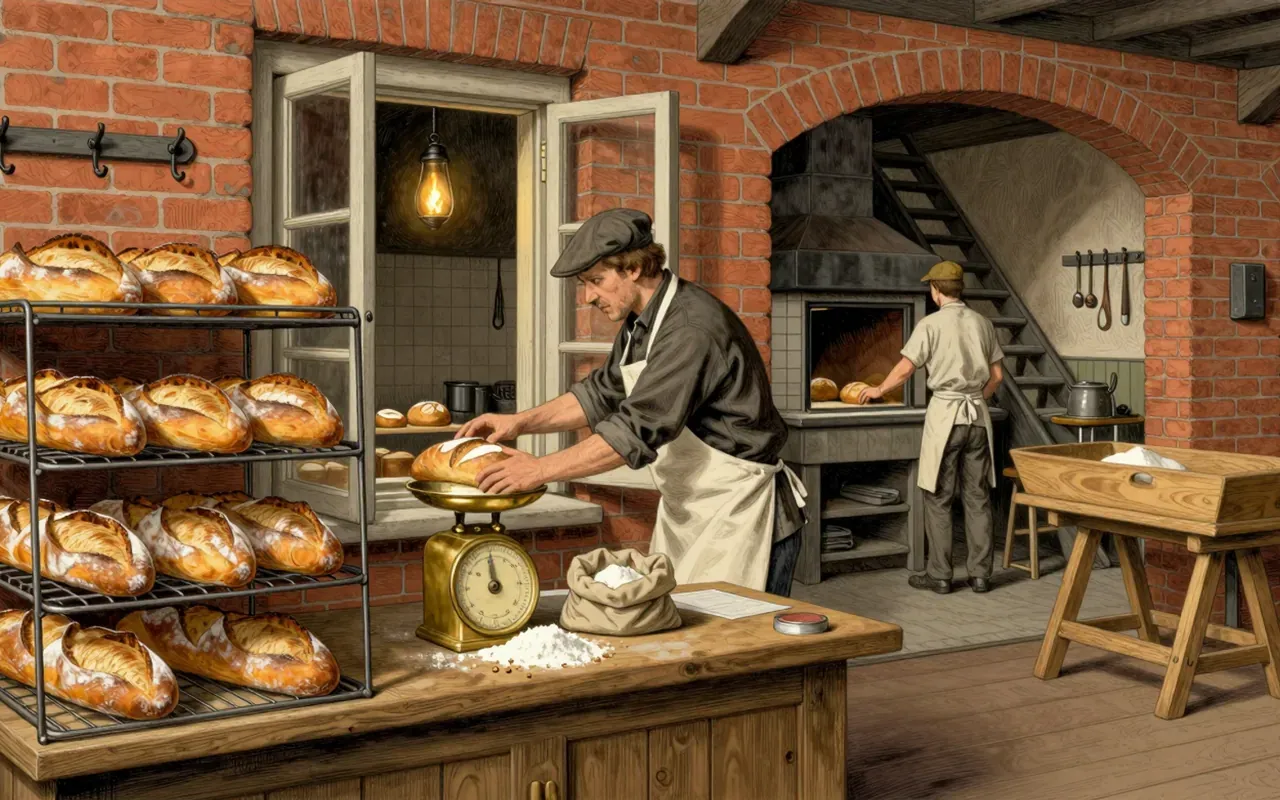
It uses a New Orleans French bread roll cut lengthwise. The bread is made with less flour and more water than a traditional baguette, yielding a lighter, fluffier texture.
What it gets right
It gets right the contrast between crisp, airy bread and hearty fillings like roast beef, ham, or fried shrimp, oysters, or crawfish.
What it does not
It does not emphasize vegetables or plant-based proteins — its traditional fillings are meat or seafood.
What it changed
The fried oyster version has a distinct name — ‘oyster loaf’ — and an older history separate from the 1929 po’ boy.
Who it is for, and who it is not
It is for people who prefer sandwiches with meat, seafood, or cheese. It is not for people seeking a vegetable-forward or dairy-free option, as cheese has been a recognized ingredient since the Great Depression.
Is it worth your time
It is worth your time if you want a regional sandwich built around substantial protein and local bread.