8:48in productionCh. 1 · Origin: Not falafel/ 8:48 · ceiling 15 min
Dishes
Ta'ameya
Falafel’s Egyptian cousin swaps chickpeas for fava beans—and trades levity for earthy heft.
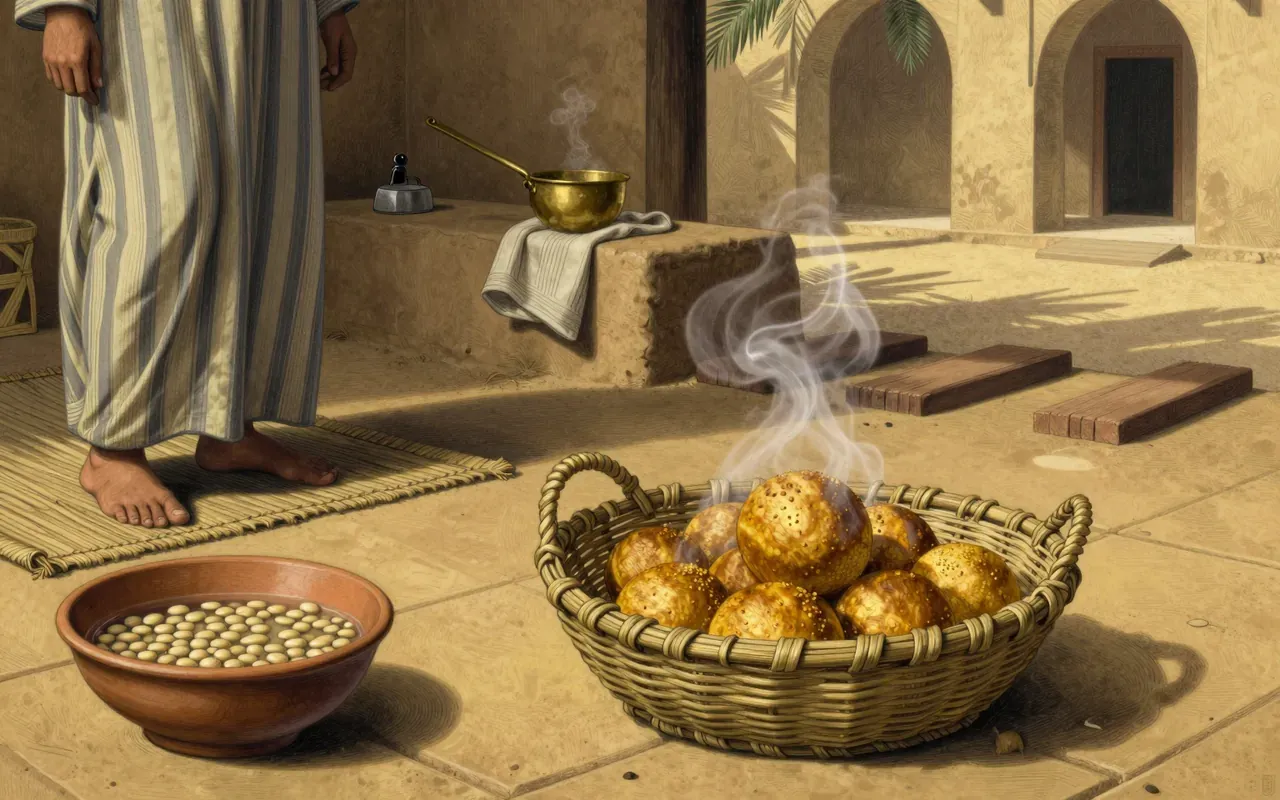
Ta'ameya is an Egyptian fava-bean fritter—soaked, ground, shaped, deep-fried. It belongs to Cairo’s streets and breakfast tables. It delivers dense bean flavour and herbal brightness. It does not aim for lightness or universality. It is what it is: fava, fried, fast.
Ta'ameya is Egyptian—not Levantine—and defined by fava beans.
1:54
Method: Paste, not dough
Soaking and grinding raw fava beans creates a coarse, moist paste that fries to crisp outside, tender inside.
3:34
Context: Breakfast and street
It works as street food because it holds heat, travels well, and delivers bold flavour in one bite.
5:40
Distinction: Fava, not chickpea
It distinguishes itself by bean choice, preparation method, and cultural placement—not by novelty or refinement.
Worth your time?
Yes. Cook the whole thing.
4/ 5
What works
soaking and grinding preserves fava's earthy depth
deep-frying delivers shatter-crisp shell around tender interior
herbs and garlic cut through bean density
What does not
uses chickpeas
originates in the Levant
is baked or pan-fried
Cook it if
people who eat street food for texture and immediacy
those who value regional specificity over familiarity
Skip it if
those seeking mildness
those expecting uniform crunch
those assuming all falafel-like fritters are interchangeable
The written brief1 min read
What the dish is and where it came from
Ta’ameya is an Egyptian fried fritter made from soaked and ground fava beans, herbs and aromatics. It originates in Egypt.
How it works, in terms someone would actually use
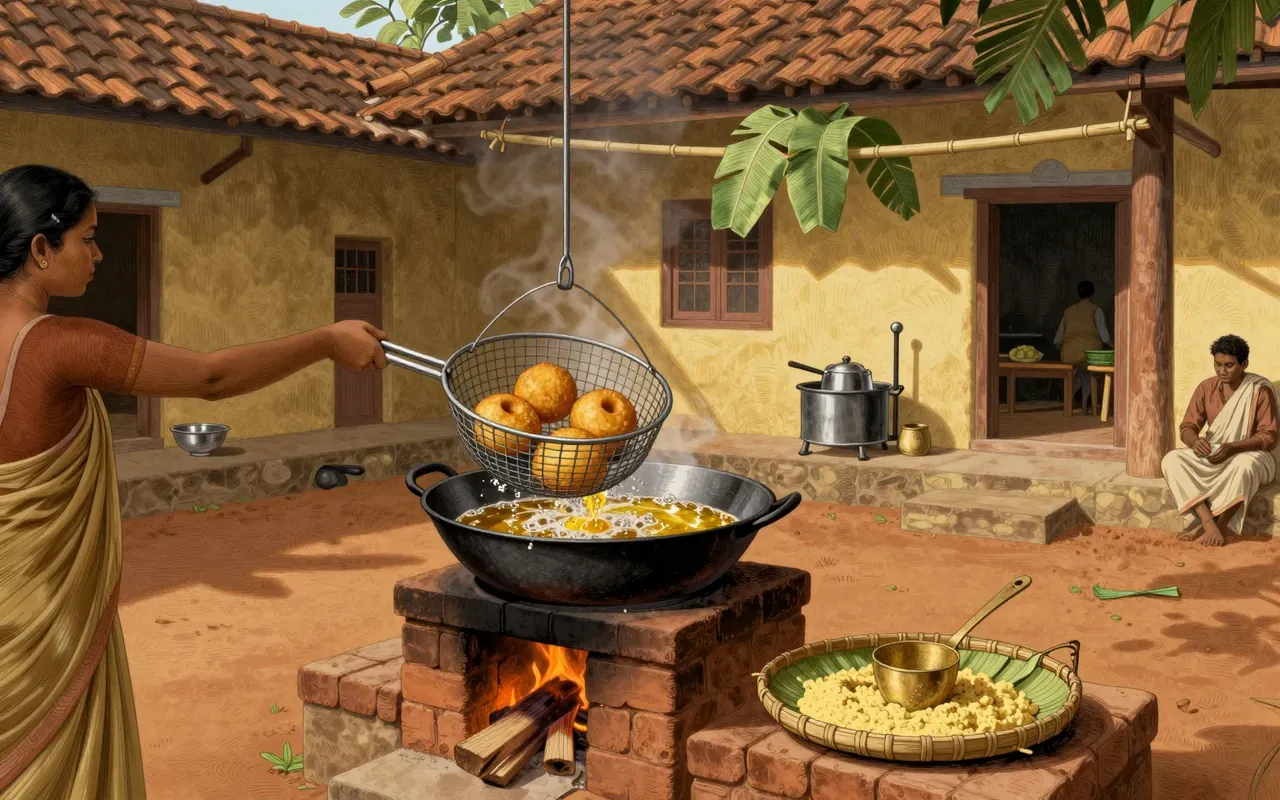
Soak fava beans. Grind them into a paste with garlic, onions, herbs and spices. Shape into balls. Deep-fry until crisp.
What it gets right
The soaking and grinding preserves the fava’s earthy depth. Deep-frying delivers a shatter-crisp shell around a tender, moist interior. Herbs and garlic cut through the bean’s density.
What it does not
It does not use chickpeas. It does not originate in the Levant. It is not baked or pan-fried.
What it changed
It established fava beans as a street-food staple in Egypt, distinct from Levantine falafel’s chickpea base.
Who it is for, and who it is not
It is for people who eat street food for texture and immediacy—not for those seeking mildness, uniformity or global familiarity.
Is it worth your time
Yes—if you want a savoury, herb-forward fritter with a coarse, grainy bite and deep bean flavour. No—if you expect lightness, uniform crunch or chickpea-style nuttiness.