What the dish is and where it came from
The burrito began as a regional Mexican word for taco — used in Guanajuato, Guerrero, Michoacán, San Luis Potosí, Sonora and Sinaloa — and evolved into a distinct dish in Ciudad Juárez, defined by a sealed flour tortilla wrapper.
How it works, in terms someone would actually use
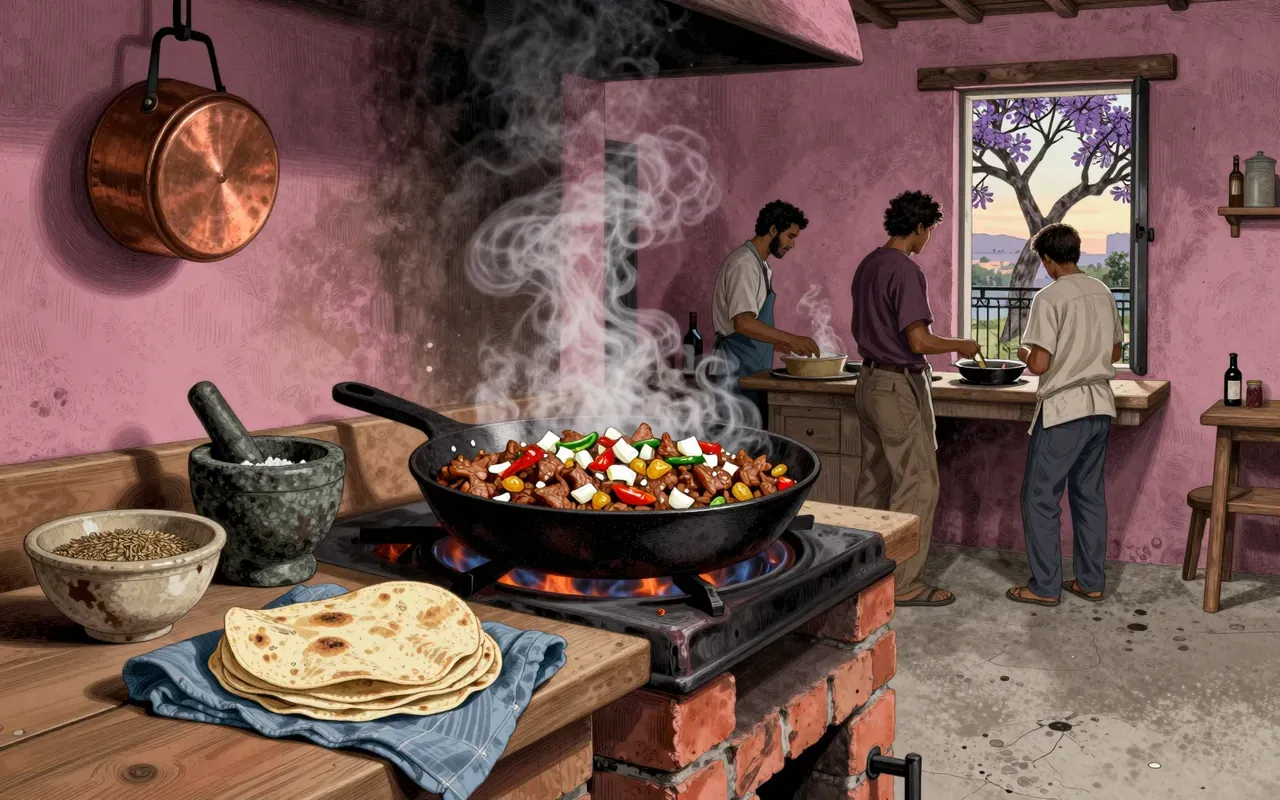
A burrito is a flour tortilla softened by grilling or steaming, then wrapped and sealed around savoury fillings — meat, beans, rice, vegetables, cheese, and condiments — to hold together for handheld eating.
What it gets right
The tight wrap works. It keeps ingredients contained. The softened flour tortilla adheres to itself. The cylindrical shape enables reliable handheld use.
What it does not
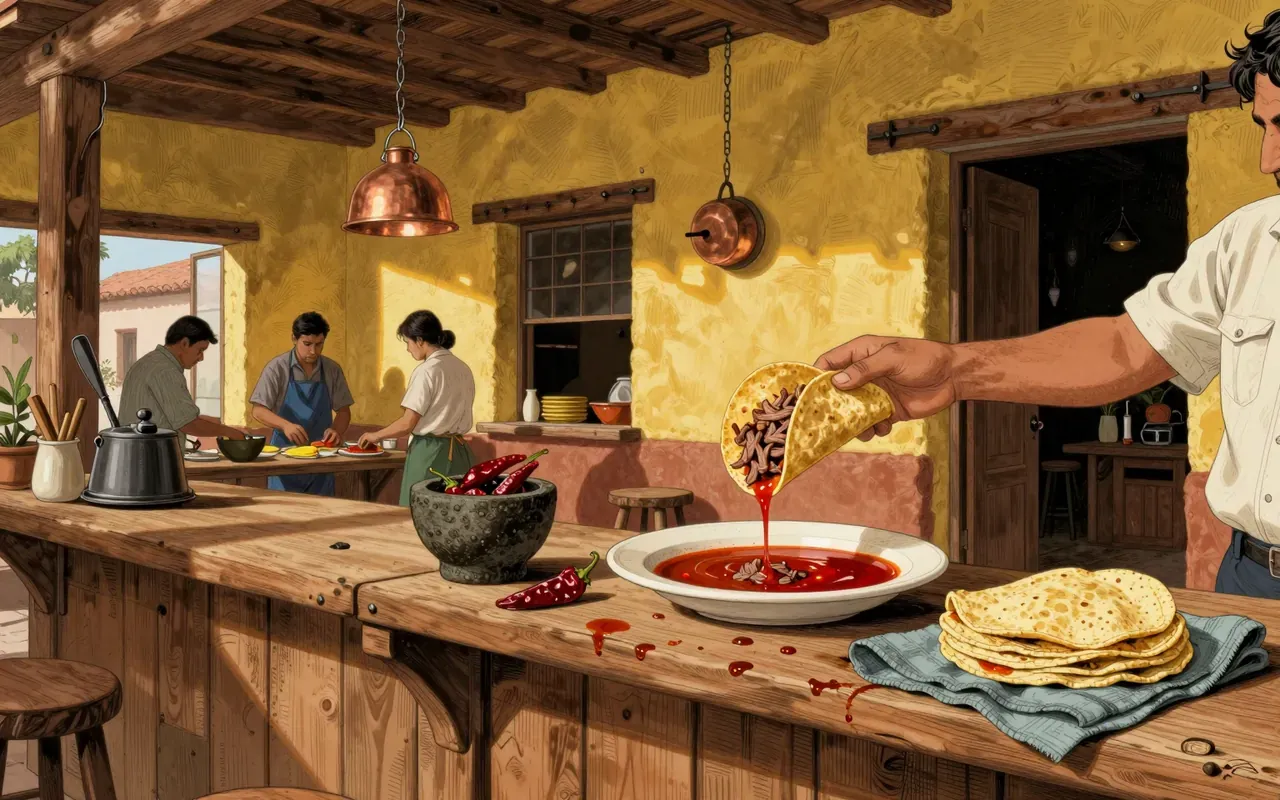
It does not require corn tortillas. It does not rely on folding in half like a taco. It does not assume sauce as standard — wet versions are a deliberate variant requiring utensils.
What it changed
It redefined a regional synonym for taco into a distinct, sealed, flour-based format tied to northern Mexican and U.S. border cuisines.
Who it is for, and who it is not
It is for people who eat on the move, need portion control without plates, or prefer layered savoury fillings in one cohesive unit. It is not for those who prioritise lightness, freshness of raw toppings, or traditional taco structure.
Is it worth your time
Yes, if you need portable, self-contained, savoury food that travels well and adapts to wet or dry service. No, if you want simplicity, minimal handling, or corn-tortilla authenticity.