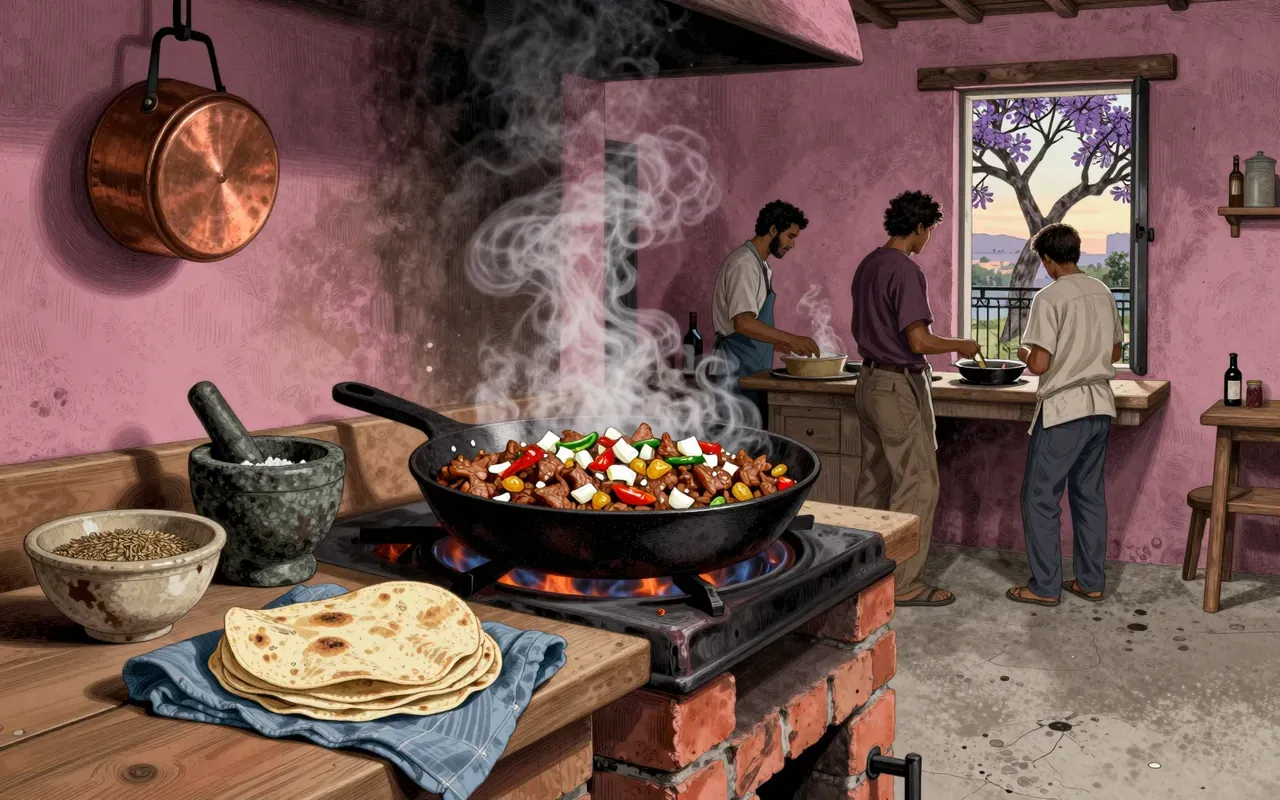
What the dish is and where it came from
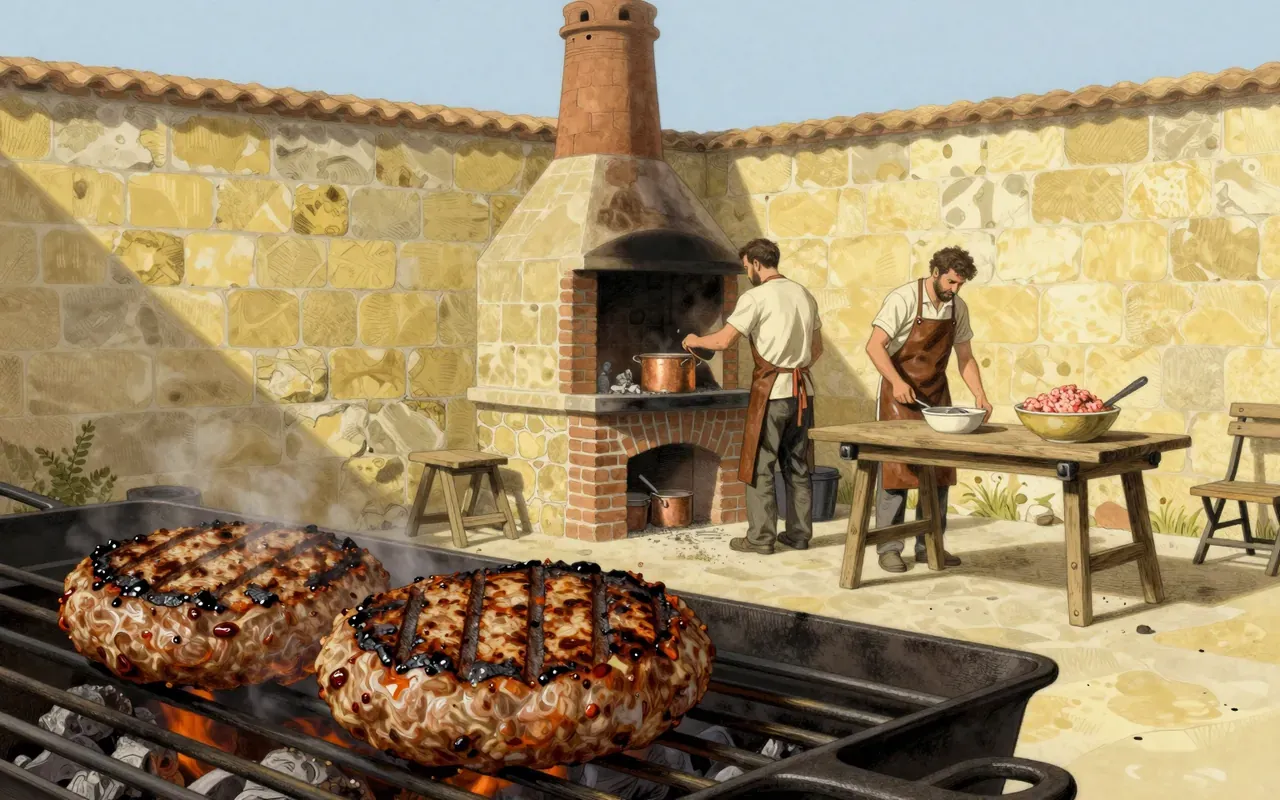
Picadillo is a traditional minced-meat dish from Latin America—including Mexico and Cuba—and the Philippines. Its name comes from the Spanish verb picar, meaning ‘to mince’. It was common in Hispanic cultures before the 19th century.
How it works, in terms someone would actually use
It is a minced-meat mixture cooked down with tomatoes, raisins, and olives. It works as a standalone stew or as a filling for tacos, empanadas, alcapurrias, and other savoury pastries.
What it gets right
It gets right the balance of texture and contrast: soft minced meat, chewy raisins, briny olives, and acidic tomatoes all cohere through slow cooking.
What it does not
It does not hold to a single regional formula. There is no fixed ratio of raisins to olives, no mandated cut of meat, no universal spice profile beyond mincing as technique.
What it changed
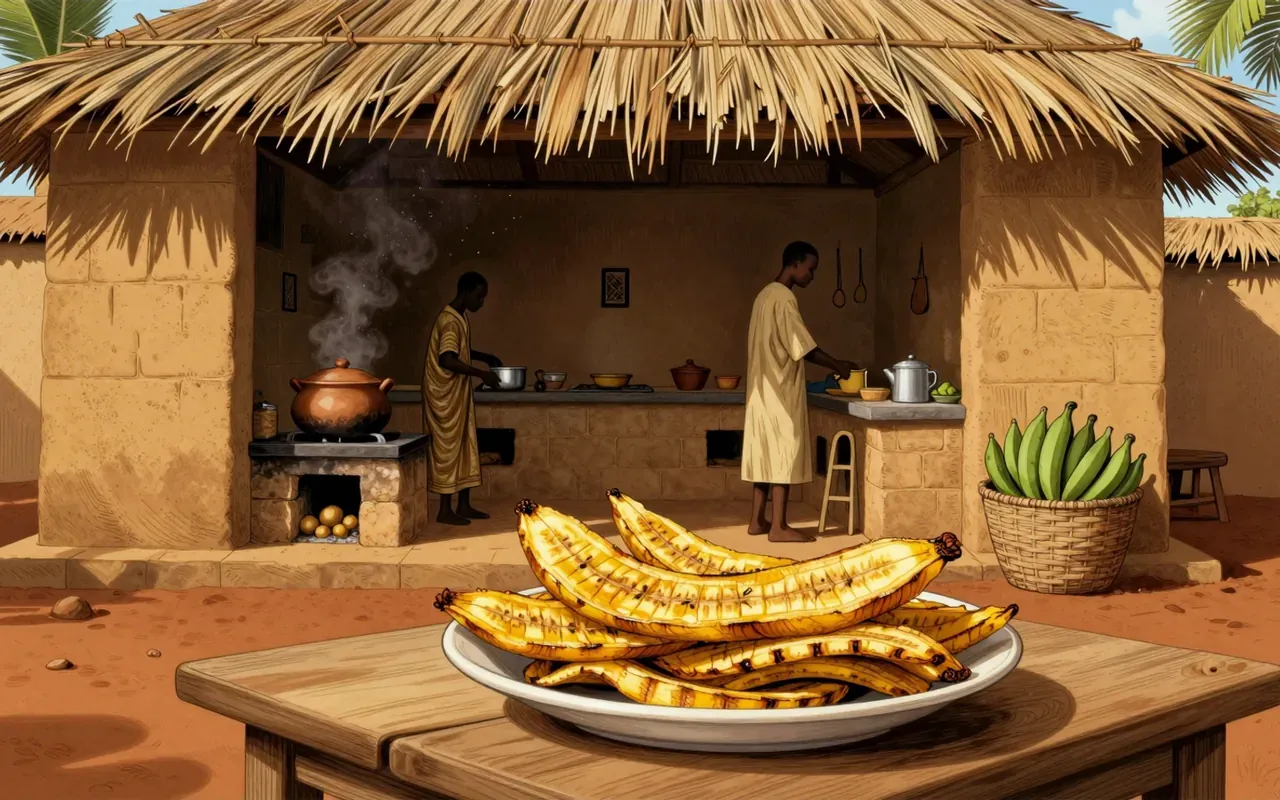
In 1990s Cuba, during the Special Period, ground beef was substituted with plantain peels—a famine adaptation that altered its protein base without abandoning its form or function.
Who it is for, and who it is not
It is for cooks who value flexibility within a clear framework. It is not for those seeking a rigid, codified recipe with immutable proportions or origins.
Is it worth your time
Yes—if you want a dish whose structure invites adaptation but whose core ingredients deliver contrast: sweet, salty, tangy, and savoury in one spoonful.