1:09in productionCh. 1 · What the dish is and where it came from/ 1:09 · ceiling 15 min
Dishes · Street food
Falafel
A deep-fried or baked fritter made from soaked, uncooked chickpeas and herbs, shaped into balls or patties.
Falafel is a deep-fried or baked ball- or patty-shaped fritter of Egyptian origin, featured in Middle Eastern and especially Levantine cuisines. Its origin is uncertain but most likely Egyptian.
Falafel is a deep-fried or baked ball- or patty-shaped fritter of Egyptian origin, featured in Middle Eastern and especially Levantine cuisines.
0:12
How it works, in terms someone would actually use
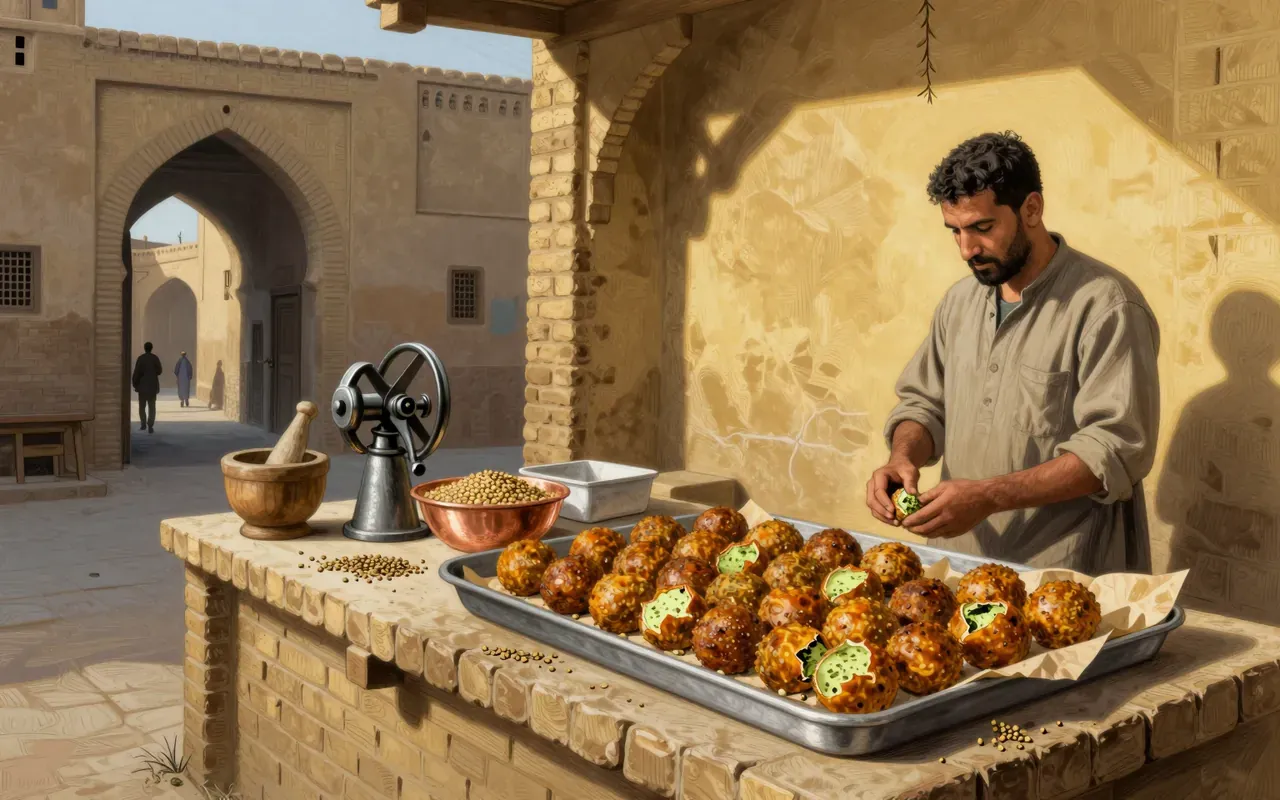
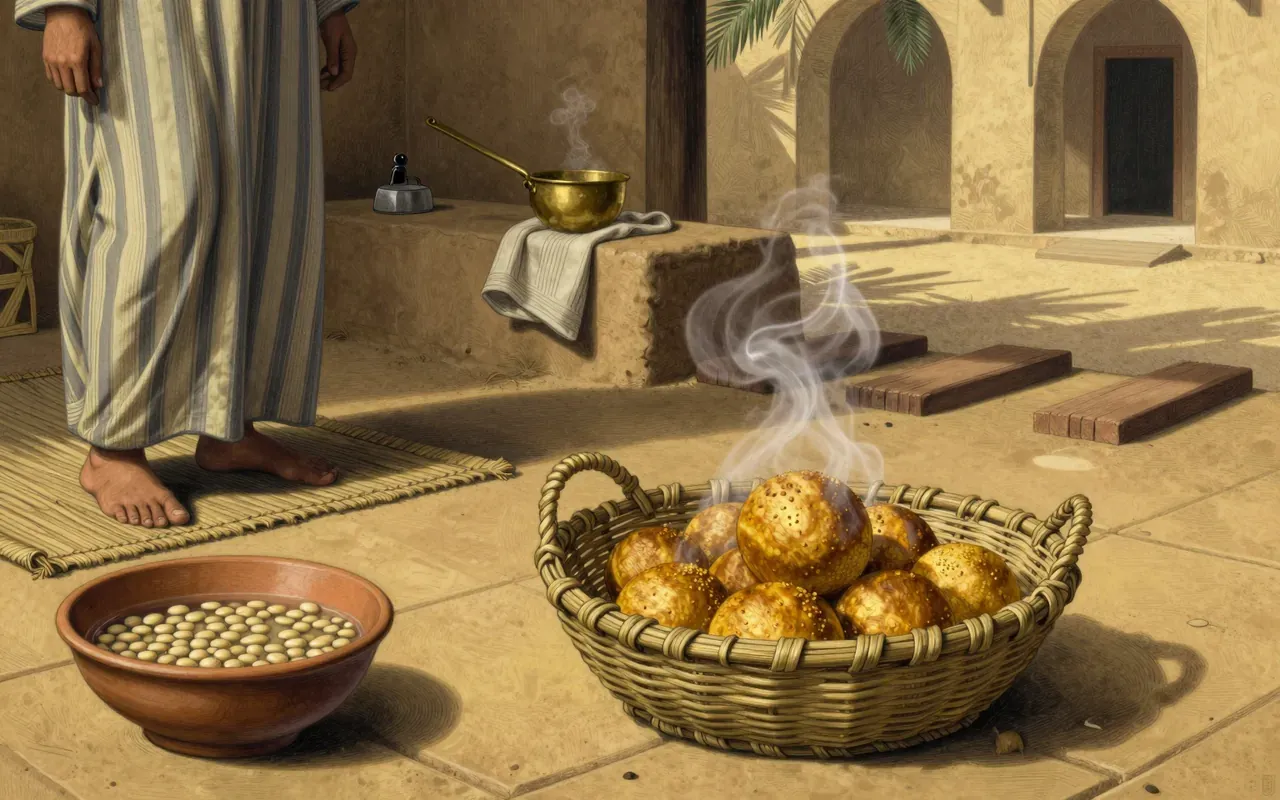
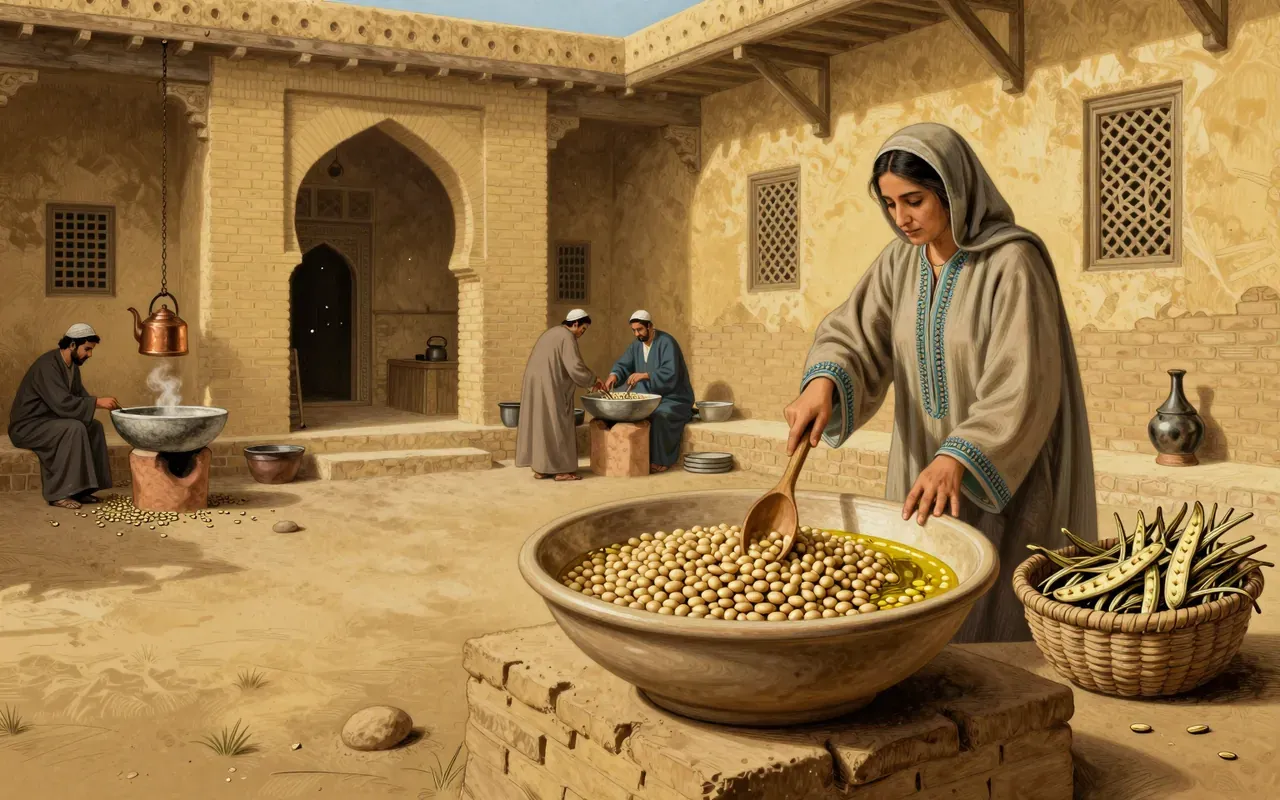
Soaked (sometimes with baking soda) uncooked chickpeas are ground with parsley, scallions, and garlic.
0:24
What it gets right
It delivers texture and herbaceous flavor from raw, soaked chickpeas and fresh aromatics like parsley and garlic.
0:34
What it does not
Because it relies on uncooked chickpeas, it cannot use pre-cooked legumes without added binder—limiting flexibility for cooks starting with canned beans.
0:42
What it changed
It has become a focal point in gastronationalistic campaigns, notably in the Israeli–Palestinian conflict, where both sides have claimed ownership.
0:50
Who it is for, and who it is not
It is for people seeking a plant-based, herb-forward fritter with Middle Eastern roots.
1:02
Is it worth your time
Yes—it offers a distinct format and flavor profile using accessible ingredients and two cooking options: deep-frying or baking.
Worth your time?
Selectively. Start with the brief, then cook the parts we point at.
What works
It delivers texture and herbaceous flavor from raw, soaked chickpeas and fresh aromatics like parsley and garlic. The shaping method supports consistent form without cooked-legume mush.
What does not
Because it relies on uncooked chickpeas, it cannot use pre-cooked legumes without added binder—limiting flexibility for cooks starting with canned beans.
Cook it if
Skip it if
The written brief1 min read
What the dish is and where it came from
Falafel is a deep-fried or baked ball- or patty-shaped fritter of Egyptian origin, featured in Middle Eastern and especially Levantine cuisines. Its origin is uncertain but most likely Egyptian.
How it works, in terms someone would actually use
Soaked (sometimes with baking soda) uncooked chickpeas are ground with parsley, scallions, and garlic. The mixture is shaped by hand or with an aleb falafel mould, then deep-fried or oven-baked.
What it gets right
It delivers texture and herbaceous flavor from raw, soaked chickpeas and fresh aromatics like parsley and garlic. The shaping method supports consistent form without cooked-legume mush.
What it does not
Because it relies on uncooked chickpeas, it cannot use pre-cooked legumes without added binder—limiting flexibility for cooks starting with canned beans.
What it changed
It has become a focal point in gastronationalistic campaigns, notably in the Israeli–Palestinian conflict, where both sides have claimed ownership.
Who it is for, and who it is not
It is for people seeking a plant-based, herb-forward fritter with Middle Eastern roots. It is not for those needing a dish made from cooked legumes or avoiding deep-fried formats.
Is it worth your time
Yes—it offers a distinct format and flavor profile using accessible ingredients and two cooking options: deep-frying or baking.