What the dish is and where it came from
Farofa is toasted cassava meal, eaten mainly in Brazil.
It is sold commercially produced and packaged, but is also made at home from family recipes. Corn meal is used for farofa as well as cassava.
How it works, in terms someone would actually use
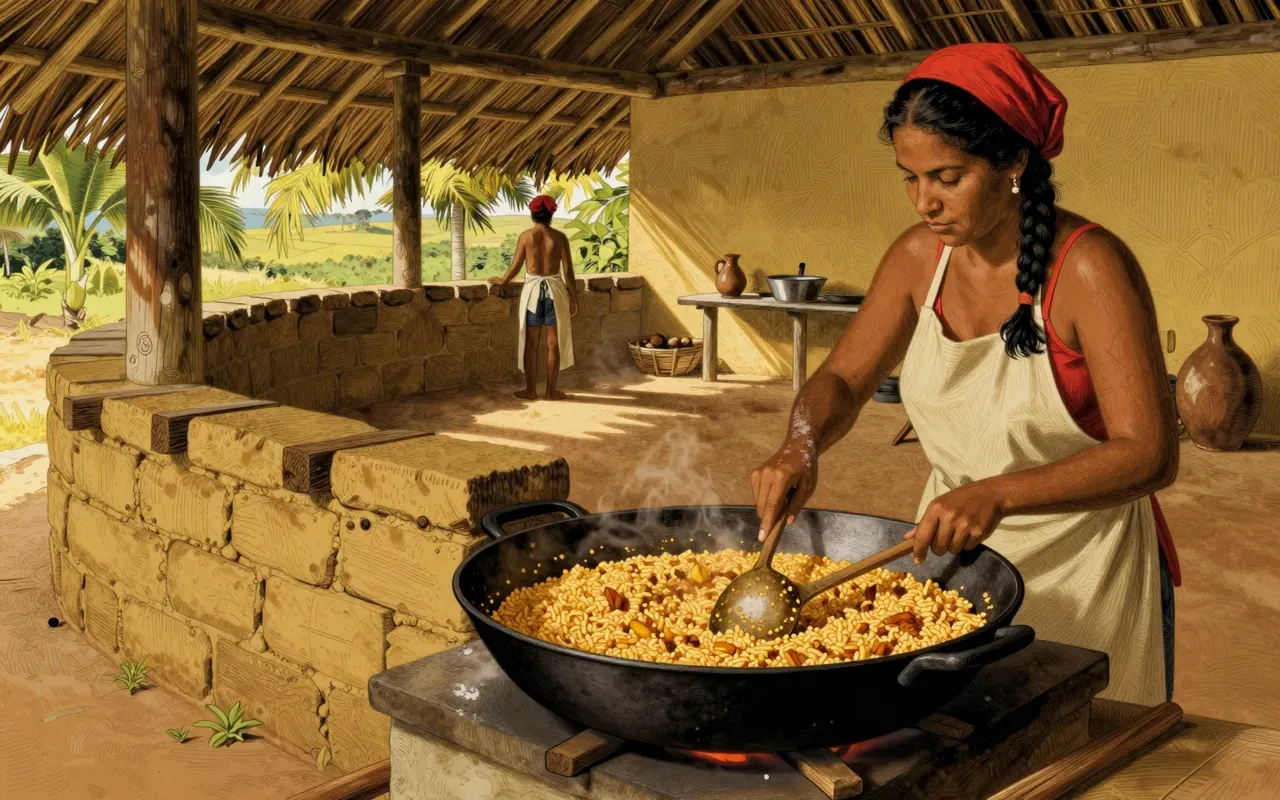
Raw cassava flour is toasted with abundant butter, vegetable oil, or olive oil, plus salt, bacon, onions, garlic, sausage, or olives until golden brown.
In Brazil it is sometimes served with feijoada and churrasco. It is also used in a stuffing for poultry and other dishes, usually with raisins, nuts, and/or finely chopped sweet fruits such as apples and bananas. In the state of Bahia, farofa is commonly prepared with dendê oil, which gives a stronger taste and a rich yellow colour.
What it gets right
Its smoky, salty taste accents meat dishes, especially barbecued meat and hearty stews. It can be sprinkled on food to taste or eaten as a side like rice.
What it does not
The inclusion of smoked meat and fat makes it less suitable for vegetarian or low-fat meals.
What it changed
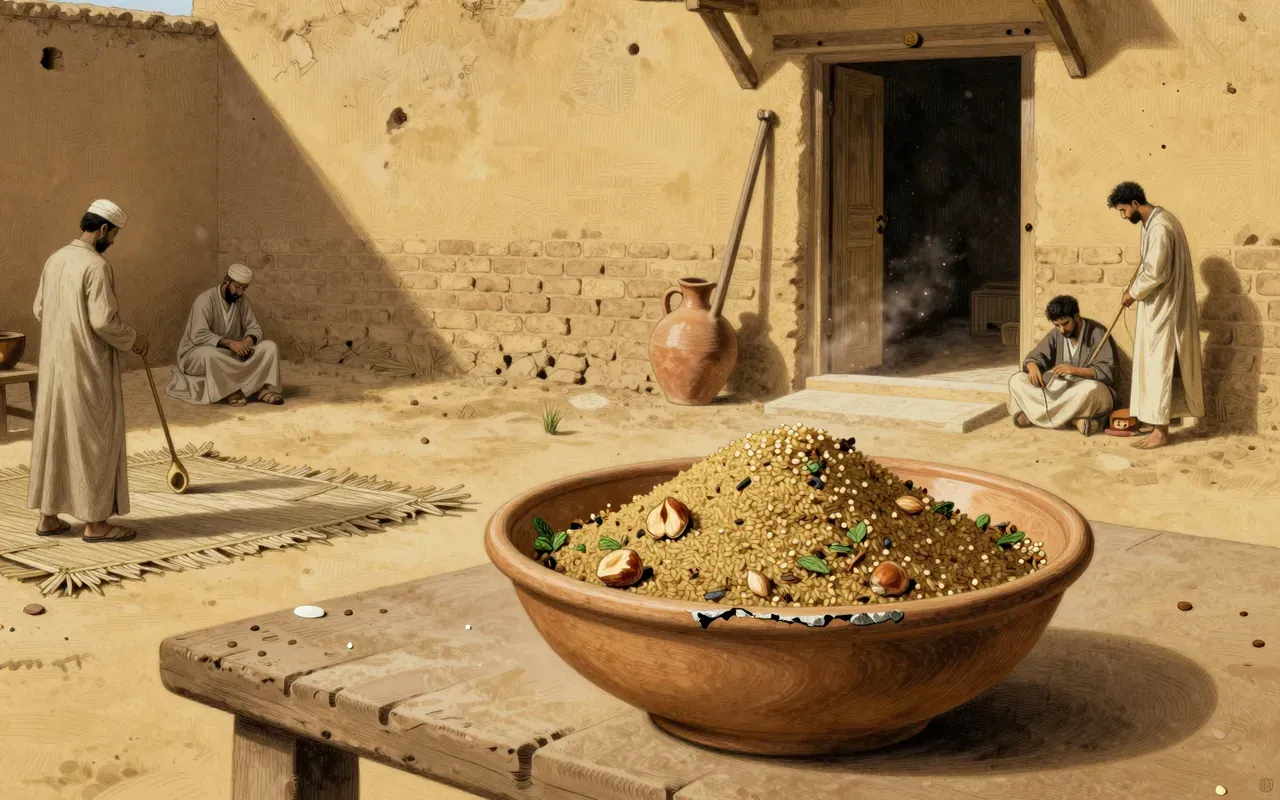
Consistency varies from bulgur-sized grains to table-salt-sized powder.
Who it is for, and who it is not
It is for people who eat meat-based meals in Brazil or enjoy smoky, salty accompaniments. It is not for those avoiding cassava, animal fats, or smoked meats.
Is it worth your time
Yes—if you want a customizable, savory, textural side that pairs with grilled or stewed meats.