foodbriefs
1:14in productionCh. 1 · What the dish is and where it came from/ 1:14 · ceiling 15 min
Dishes · Culture

Feijoada

A bean-and-meat stew served across the Portuguese-speaking world, with regional variations in beans, meats, and accompaniments.

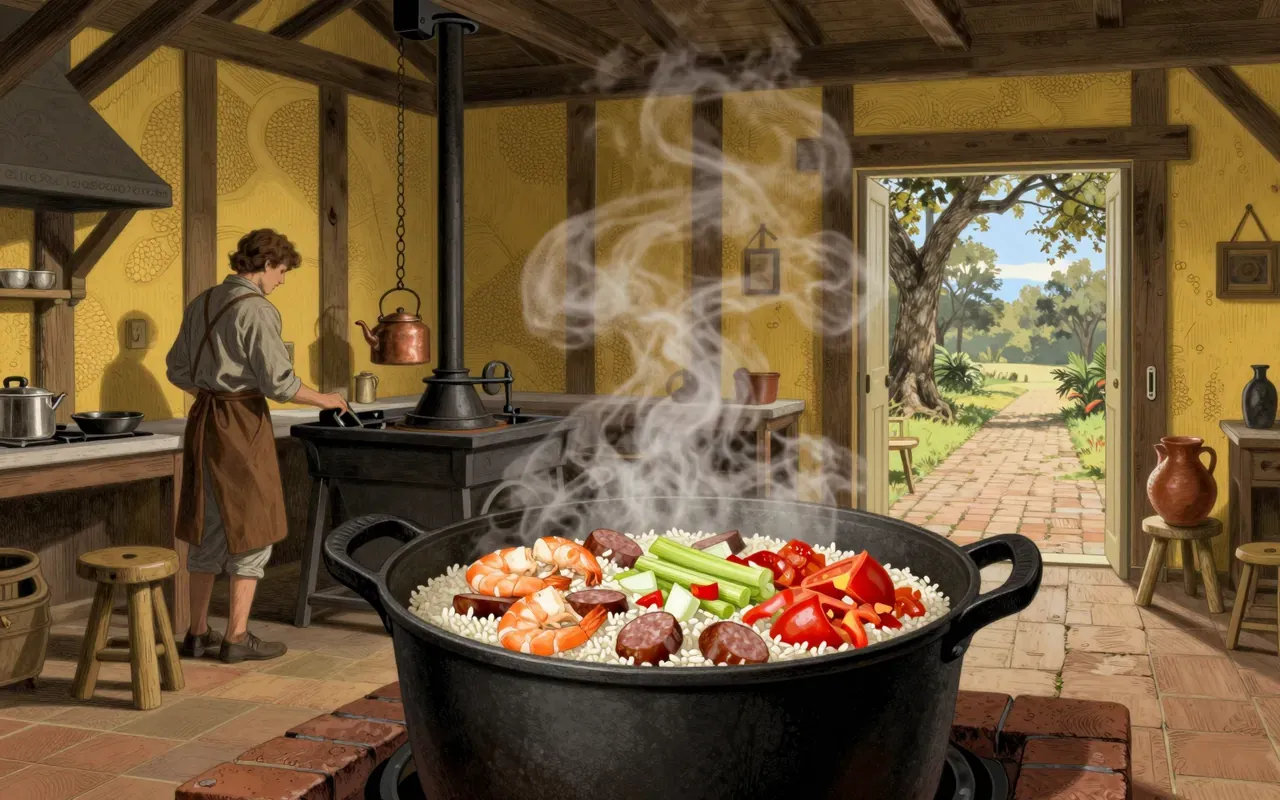
Feijoada is a bean stew with beef or pork, found in Portugal, Brazil, Angola, East Timor, Mozambique, and Macau. It uses white, black, or red beans and is usually served with rice.

Chapters & takeaways7
  1. 0:00
    What the dish is and where it came from

    Feijoada is a bean stew with beef or pork, found in Portugal, Brazil, Angola, East Timor, Mozambique, and Macau.

  2. 0:13
    How it works, in terms someone would actually use

    It is prepared as a stew—simmered until the beans and meats are tender.

  3. 0:23
    What it gets right

    It gets right a hearty combination of beans and meat, often enriched with sausages like chorizo or blood sausage, and sometimes vegetables like tomatoes, carrots, or kale.

  4. 0:34
    What it does not

    It does not use black beans in the Portuguese versions, as those are of American origin and excluded from traditional northern Portuguese preparations.

  5. 0:43
    What it changed

    By the 19th century, it changed from a working-class meal in Brazil to the country’s national dish, commonly served on Saturdays.

  6. 0:51
    Who it is for, and who it is not

    It is for people who eat meat and beans together, especially in Portuguese-speaking cultures.

  7. 1:05
    Is it worth your time

    It is worth your time if you seek a substantial, culturally widespread stew served with rice and often complemented by vegetables or sausages.
Worth your time?

Selectively. Start with the brief, then cook the parts we point at.

What works
  • It gets right a hearty combination of beans and meat, often enriched with sausages like chorizo or blood sausage, and sometimes vegetables like tomatoes, carrots, or kale.
What does not
  • It does not use black beans in the Portuguese versions, as those are of American origin and excluded from traditional northern Portuguese preparations.
Cook it if
    Skip it if
      The written brief1 min read

      What the dish is and where it came from

      Feijoada is a bean stew with beef or pork, found in Portugal, Brazil, Angola, East Timor, Mozambique, and Macau. It uses white, black, or red beans and is usually served with rice.

      How it works, in terms someone would actually use

      It is prepared as a stew—simmered until the beans and meats are tender. No specific technique, timing, or equipment is described in the sources.

      What it gets right

      It gets right a hearty combination of beans and meat, often enriched with sausages like chorizo or blood sausage, and sometimes vegetables like tomatoes, carrots, or kale.

      What it does not

      It does not use black beans in the Portuguese versions, as those are of American origin and excluded from traditional northern Portuguese preparations.

      What it changed

      By the 19th century, it changed from a working-class meal in Brazil to the country’s national dish, commonly served on Saturdays.

      Who it is for, and who it is not

      It is for people who eat meat and beans together, especially in Portuguese-speaking cultures. It is not for those avoiding pork, beef, or specific beans like black beans in Portugal or white/red beans in Brazil.

      Is it worth your time

      It is worth your time if you seek a substantial, culturally widespread stew served with rice and often complemented by vegetables or sausages.
      Same course · Dishes4 of 327
      Up next in Food

      Fesenjān

      · 0:51

      A sweet-and-sour Iranian stew made with pomegranate paste and ground walnuts, traditionally served on Yaldā Night.

      0:51