What the dish is and where it came from
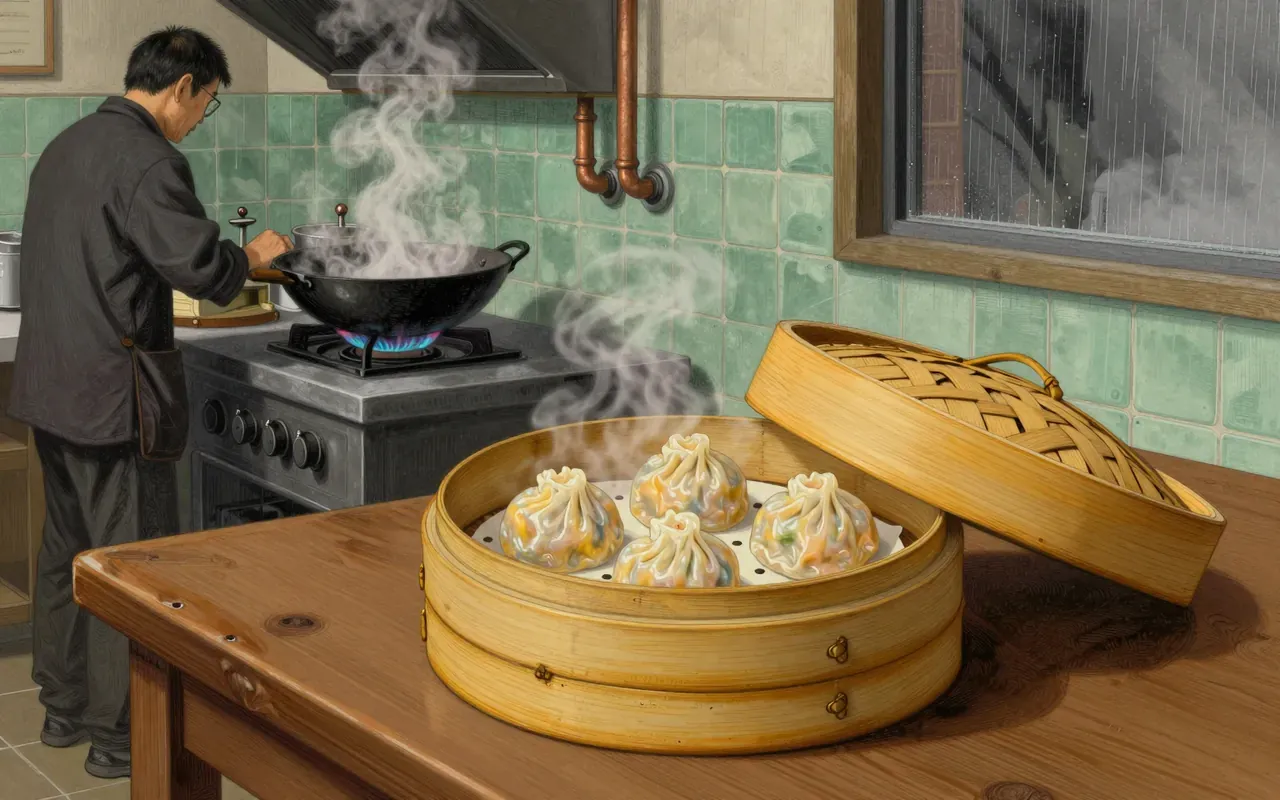
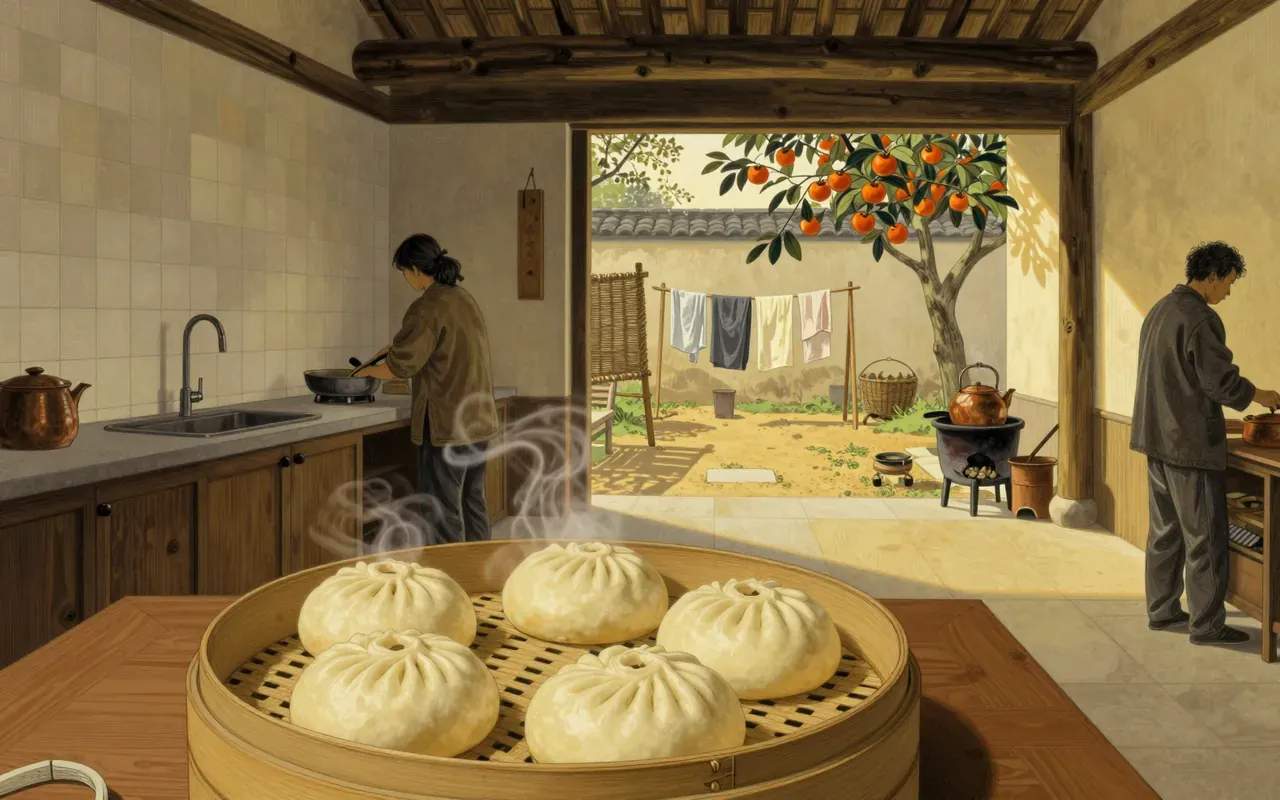
Koah-pau is a Fujianese-origin lotus leaf bun from coastal Fujian province in China. It is a folded, flat steamed bread enclosing red-cooked pork belly and condiments.
How it works, in terms someone would actually use
It works by folding a flat, semi-circular lotus leaf bun horizontally so it opens like a sliced bun, then stuffing it with red-cooked pork belly, stir-fried suan cai, coriander, and ground peanuts.
What it gets right
It gets the contrast right: tender pork belly against sharp suan cai, soft steamed bread against crunchy peanuts, and the fold’s clean geometry holding everything without spill.
What it does not
It does not rely on fermentation, grilling, or battering. It does not use rice flour, nor is it deep-fried or baked.
What it changed
It changed how pork belly was served in Taiwan: from rare luxury to accessible street food once flour and pork became more available in the 1970s.
Who it is for, and who it is not
It is for people who want bold, balanced, handheld flavour—not for those seeking subtlety, minimalism, or low-fat options.
Is it worth your time
Yes—if you want a compact, savoury-sour-crunchy bite built for street eating, not fine-dining ceremony.