1:04in productionCh. 1 · What the dish is and where it came from/ 1:04 · ceiling 15 min
Dishes · Food history
Momo (food)
Steamed, filled dumplings from Nepalese and Tibetan cuisine, also popular in Bangladesh, Bhutan, and India.
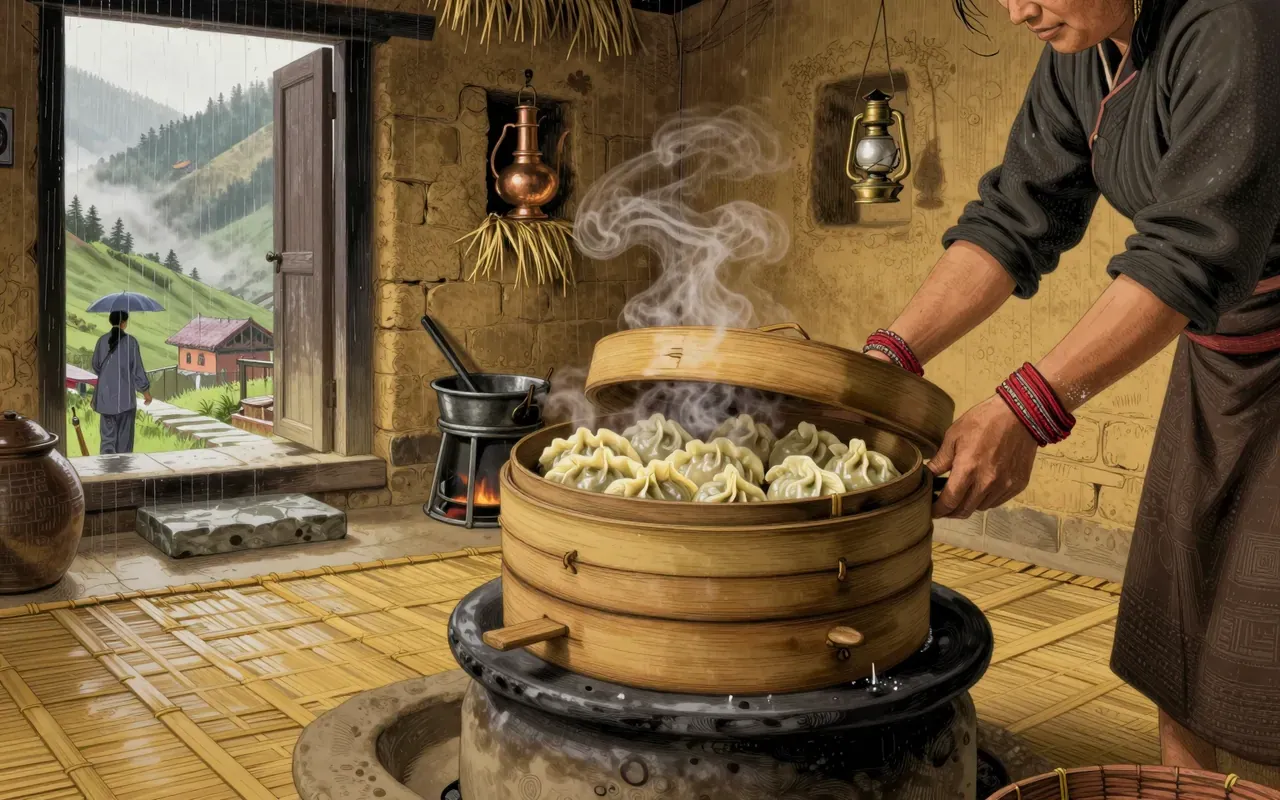
Momos are a type of steamed, filled dumpling in Nepalese and Tibetan cuisine, also popular in neighbouring Bangladesh, Bhutan, and India. Debate exists about whether momos spread from the Kathmandu Valley of Nepal to Tibet or the other way around. One belief holds that Nepali Newar merchants brought the recipe from Tibet after trading there.
Momos are a type of steamed, filled dumpling in Nepalese and Tibetan cuisine, also popular in neighbouring Bangladesh, Bhutan, and India.
0:22
How it works, in terms someone would actually use
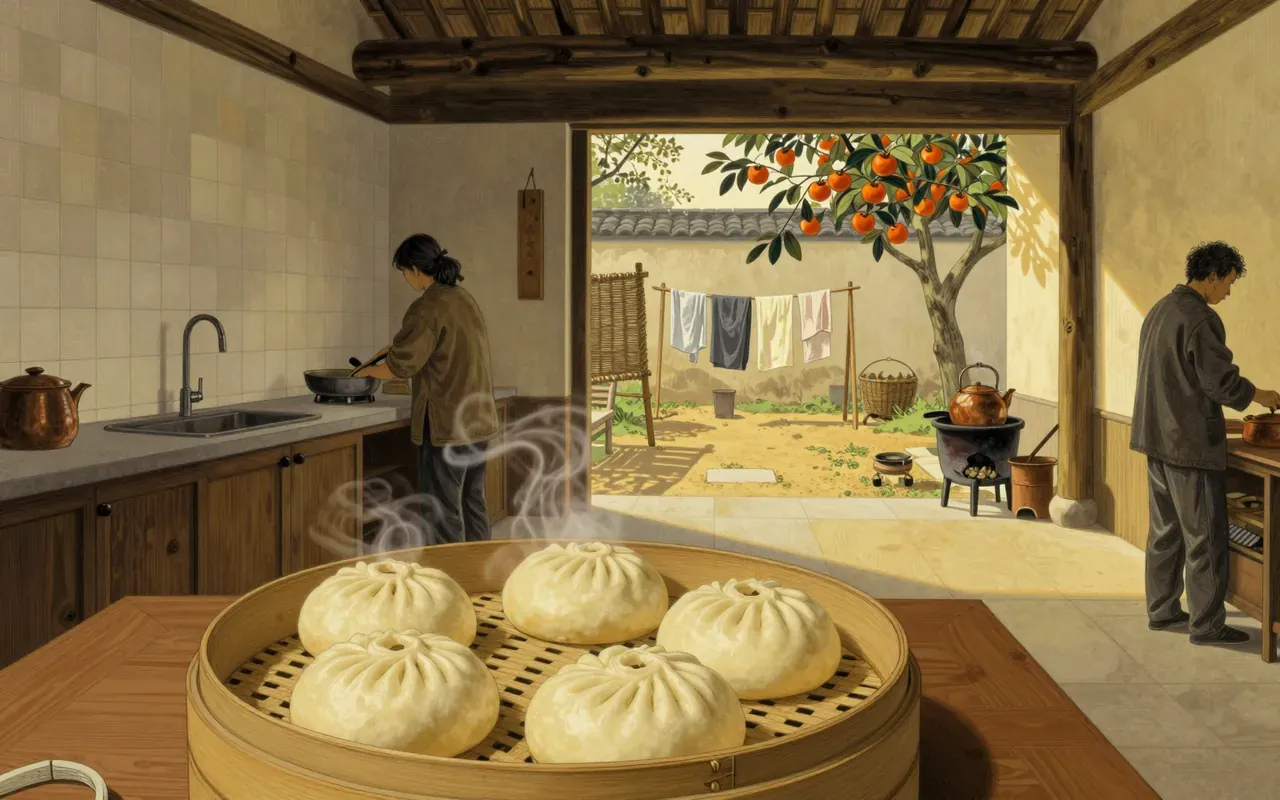
A filling is enclosed in a dumpling wrapper and the dumplings are steamed.
0:27
What it gets right
They accommodate regional preferences: chicken became common in the Indo-Gangetic Plains; vegetable versions were introduced for vegetarian Hindus; early Tibetan versions used highland barley flour with beef or mutton.
0:39
What it does not
The filling determines the choice: meat and vegetable versions offer different meals under the same name.
0:45
What it changed
After the 1959 Tibetan uprising, many Tibetans emigrated to India and brought their momo recipes with them.
0:52
Who it is for, and who it is not
They suit someone who enjoys steamed dumplings and wants to compare the meat and vegetable fillings found across regional versions.
1:00
Is it worth your time
Yes—if you enjoy steamed dumplings and their documented regional variations.
Worth your time?
Selectively. Start with the brief, then cook the parts we point at.
What works
They accommodate regional preferences: chicken became common in the Indo-Gangetic Plains; vegetable versions were introduced for vegetarian Hindus; early Tibetan versions used highland barley flour with beef or mutton.
What does not
The filling determines the choice: meat and vegetable versions offer different meals under the same name.
Cook it if
Skip it if
The written brief1 min read
What the dish is and where it came from
Momos are a type of steamed, filled dumpling in Nepalese and Tibetan cuisine, also popular in neighbouring Bangladesh, Bhutan, and India. Debate exists about whether momos spread from the Kathmandu Valley of Nepal to Tibet or the other way around. One belief holds that Nepali Newar merchants brought the recipe from Tibet after trading there.
How it works, in terms someone would actually use
A filling is enclosed in a dumpling wrapper and the dumplings are steamed.
What it gets right
They accommodate regional preferences: chicken became common in the Indo-Gangetic Plains; vegetable versions were introduced for vegetarian Hindus; early Tibetan versions used highland barley flour with beef or mutton.
What it does not
The filling determines the choice: meat and vegetable versions offer different meals under the same name.
What it changed
After the 1959 Tibetan uprising, many Tibetans emigrated to India and brought their momo recipes with them.
Who it is for, and who it is not
They suit someone who enjoys steamed dumplings and wants to compare the meat and vegetable fillings found across regional versions.
Is it worth your time
Yes—if you enjoy steamed dumplings and their documented regional variations.