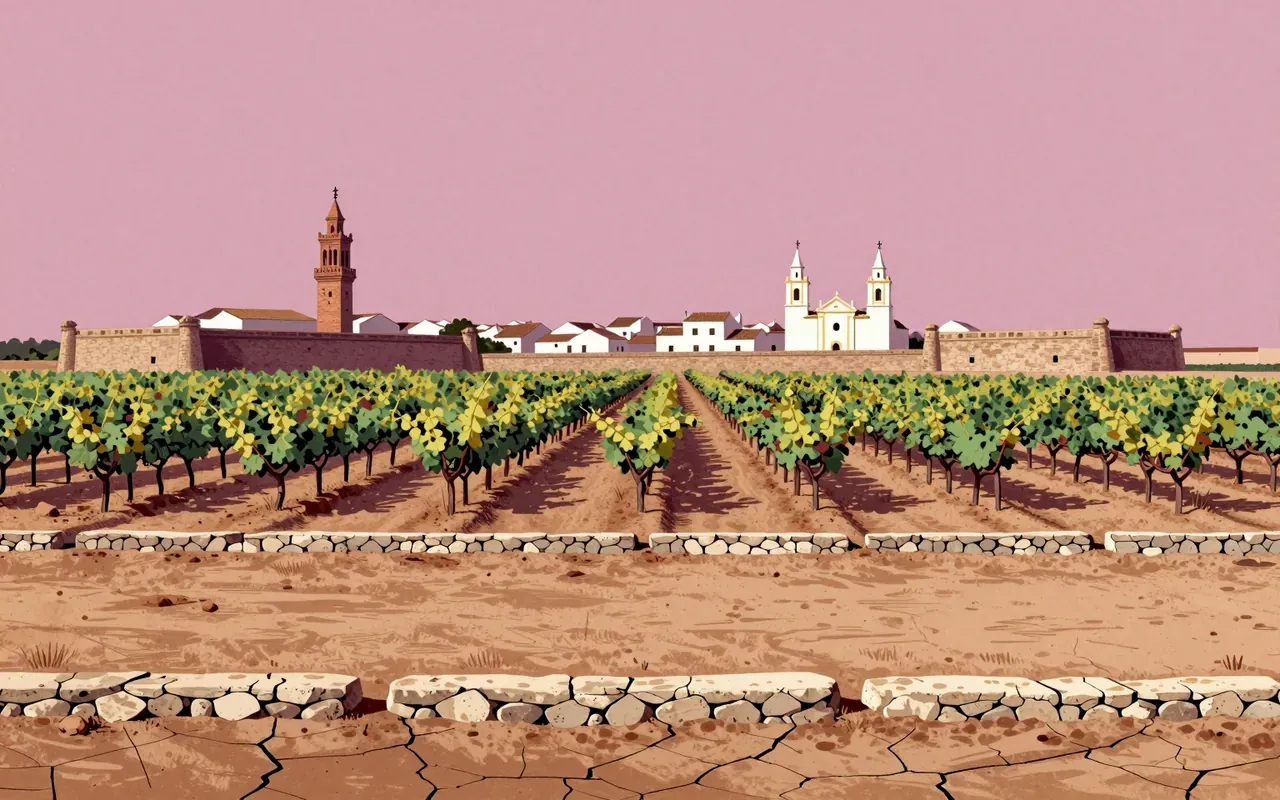
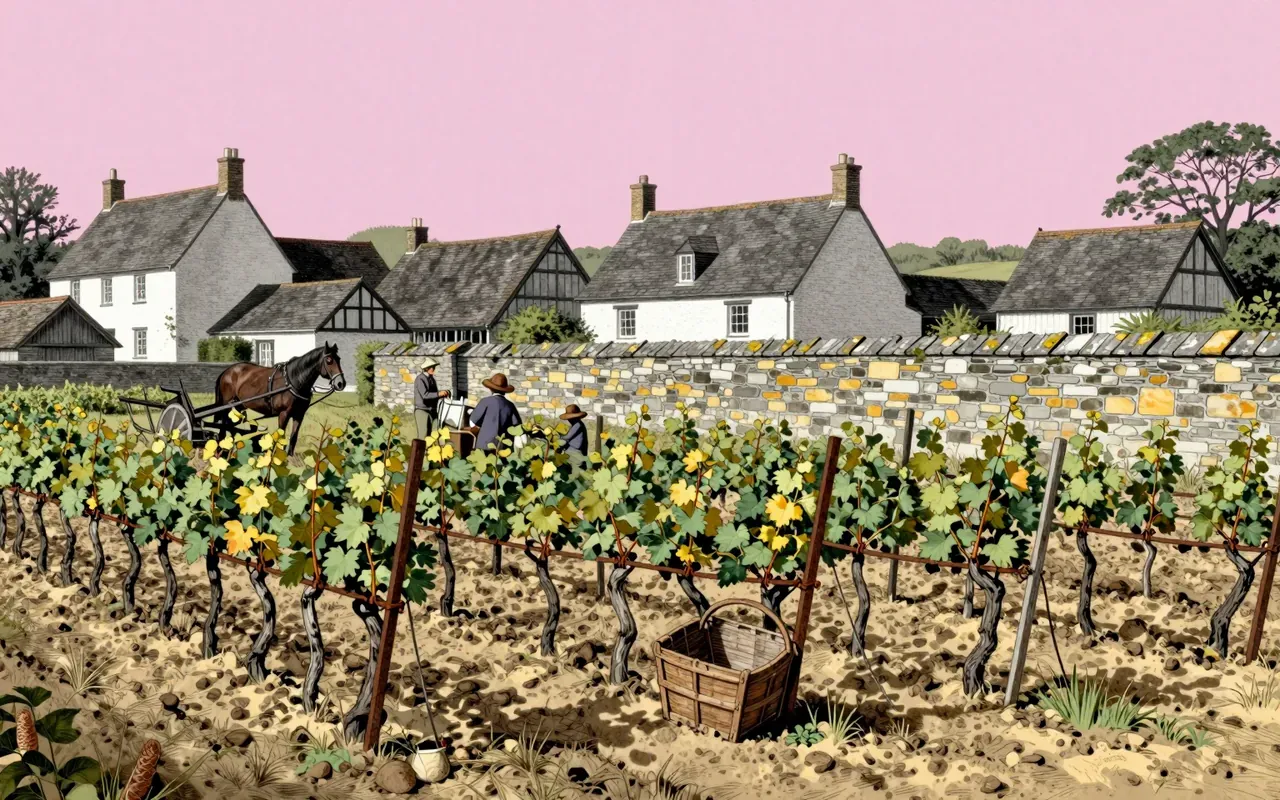
Sherry is a fortified wine from white grapes grown around Jerez de la Frontera in Andalusia, Spain. Its legal definition began in 1933 with the first Spanish DOP—D.O. Jerez-Xeres-Sherry—confined to the Sherry Triangle in Cádiz province. It correctly anchors production to place and process: fortification after fermentation ensures dryness; alcohol thresholds (15.5% for fino, ≥17% for oloroso) dictate biological ageing; the solera system guarantees age-blending. But it fails to dispel the myth of inherent sweetness, enshrines multilingual naming over local usage, and treats its geographic boundary as timeless rather than newly drawn. As Spain’s oldest DOP, it matters now because it established the legal grammar for all protected wines that followed—yet remains widely misunderstood on its most basic fact: sherry is dry first, sweet only by addition.
Sherry is legally defined by geography and process—not grape variety or vintage.
2:14
The birth of the DOP
The 1933 D.O. was Spain’s first official wine designation—and it still governs production today.
3:54
Alcohol as biology
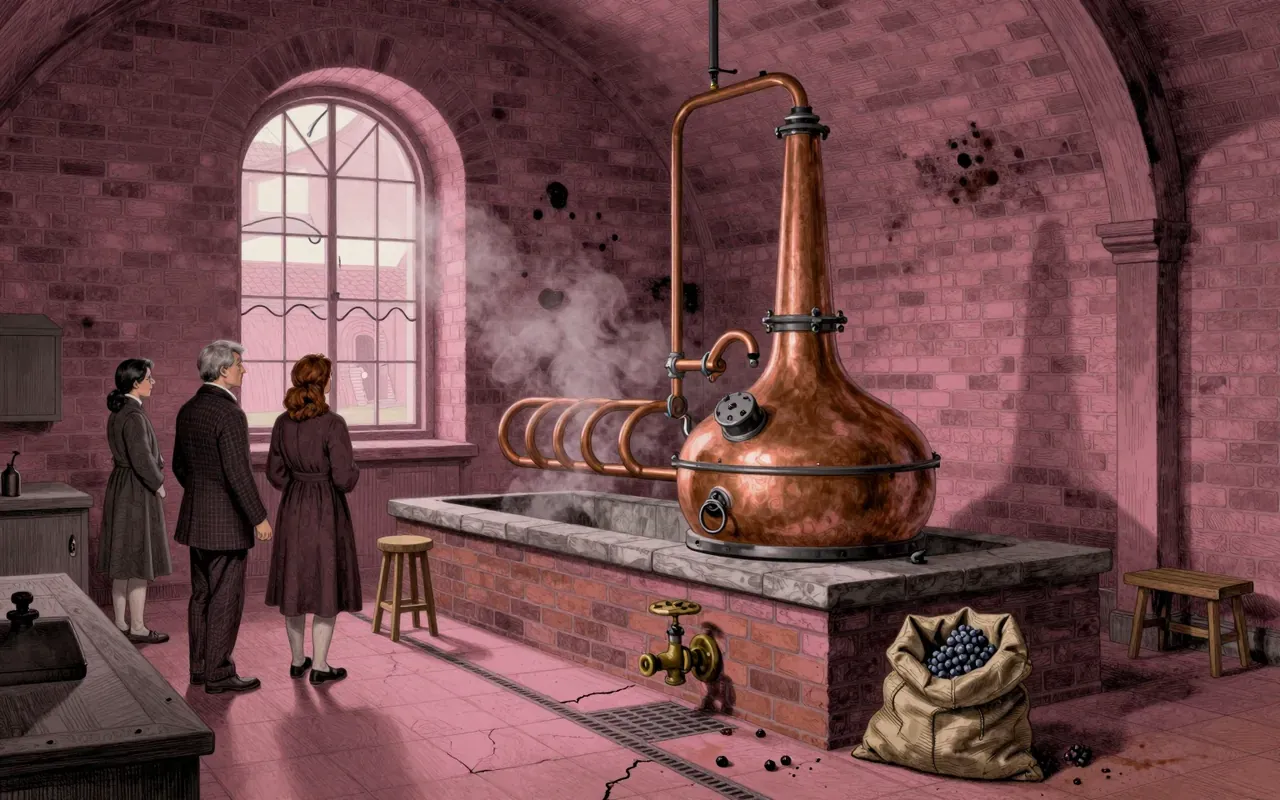
Fortification happens after fermentation—so fino is dry because flor needs 15.5% alcohol, not because winemakers prefer dryness.
5:19
Dry. Blended. Ageless.
Most sherry is dry by design. Sweetness is an addition—not a style. And no bottle has a vintage because the solera blends decades.
1 more chapterFewer chapters
Worth your time?
Yes. Cook the whole thing.
4/ 5
What works
D.O. Jerez-Xeres-Sherry
solera system
flor biology
post-fermentation fortification
What does not
iconic
groundbreaking
timeless
seminal
Cook it if
wine professionals
policy students
historians of food regulation
Skip it if
casual drinkers seeking tasting notes
bartenders looking for cocktail applications
Who should cook it, and who should skipHide who it is for
The written brief1 min read
What the thing is
Sherry is a fortified wine from white grapes grown around Jerez de la Frontera in Andalusia, Spain.
Where it came from
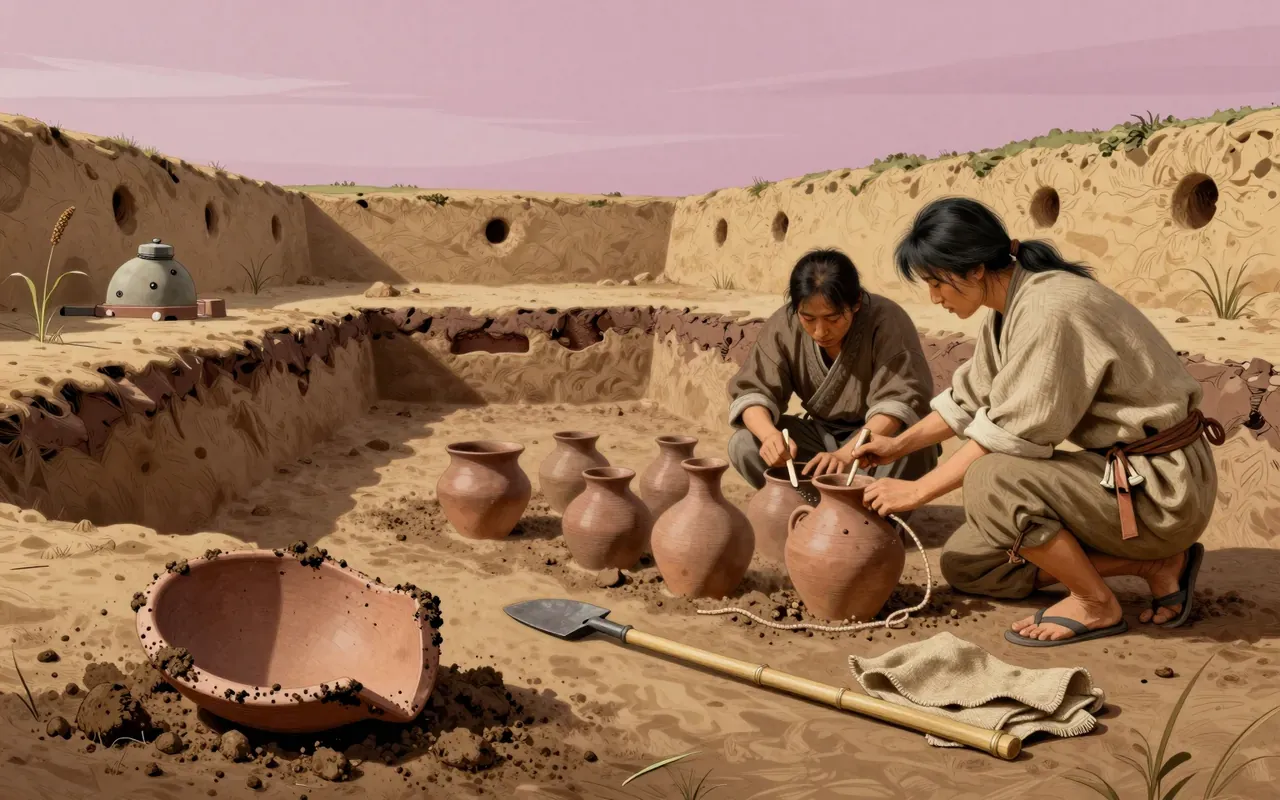
It emerged from Phoenician viticulture in the region beginning in 1100 BCE, but its modern legal form began in 1933 with the first Spanish DOP—D.O. Jerez-Xeres-Sherry—confined to the Sherry Triangle in Cádiz province.
What it gets right
It correctly anchors sherry to Jerez de la Frontera. It mandates the solera system. It fixes alcohol thresholds that determine flor survival or oxidative ageing. It confirms fortification happens after fermentation—so dryness is structural, not incidental.
What it gets wrong
It does not correct the global misconception that sherry is sweet. It enshrines a name—Jerez-Xérès-Sherry—that privileges French and English transliterations over local usage. It treats the Sherry Triangle as a natural boundary, not a political one drawn in 1933.
Why it matters now
Because it is the oldest Spanish DOP, it sets the template for every protected wine region that followed—and reveals how appellation law freezes practice while failing to educate consumers about what the wine actually is.
Is it worth your time
Yes—if you care about how legal frameworks shape taste, or how a 1933 DOP codified centuries of practice while obscuring its own dryness.