foodbriefs
8:12in productionCh. 1 · Apprentice fuel/ 8:12 · ceiling 15 min
Dishes · Food history

Chazuke

Chazuke is not comfort food—it’s thermal pragmatism served in a bowl.

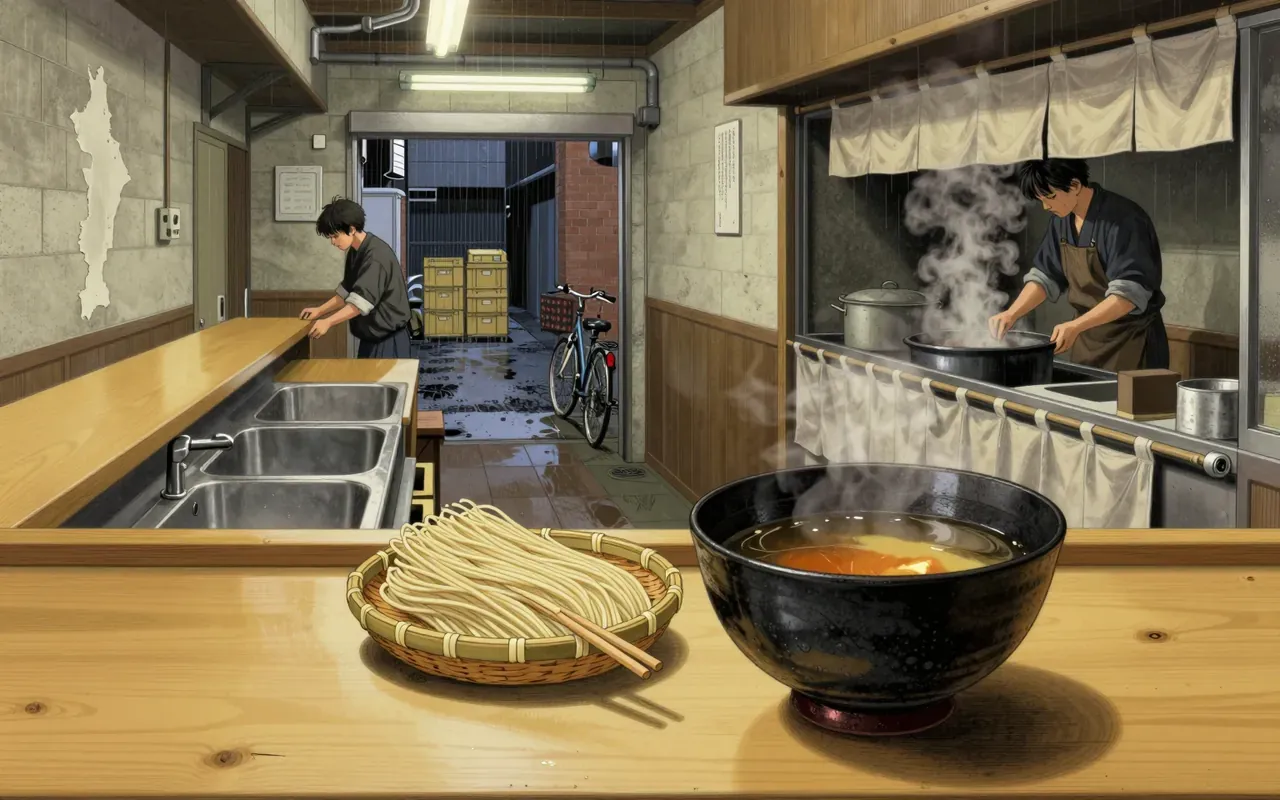
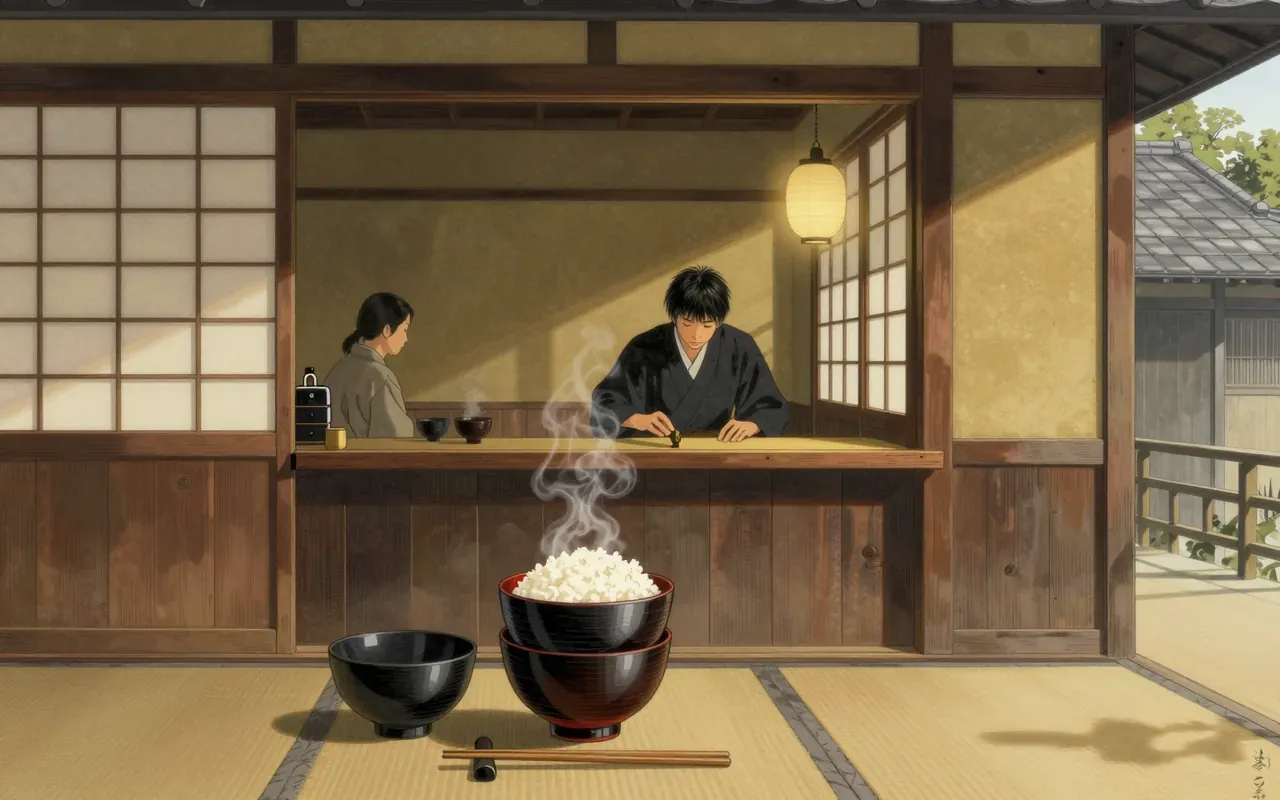
Chazuke is a Japanese dish of cooked rice topped with green tea, dashi, or hot water. It originated in the Heian period and evolved through the Edo period. It was used by merchant apprentices to finish meals quickly. It enabled convenient consumption of cold rice before warming technology existed. Chazuke restaurants appeared from the Genroku period and became widely popular as fast food for common people. A late Edo-period travel guide mentions them plainly, indicating their commonness.

Chapters & takeaways5
  1. 0:49
    Apprentice fuel

    Chazuke began as a survival tactic for merchant apprentices who needed to eat between tasks.

  2. 1:54
    No stove, no problem

    It made cold rice edible before warming tech existed.

  3. 3:16
    Japan’s first fast-food chain

    By the Genroku period, chazuke restaurants were common fast-food venues for ordinary people.

  4. 4:31
    So common it needed no explanation

    A late Edo travel guide listed chazuke restaurants plainly—proof they were unremarkable infrastructure, not novelty.

  5. 5:23
    Leftover rice, upgraded

    It is a method—not a recipe—with one job: repurpose leftover rice into a quick snack.

Worth your time?

Yes. Cook the whole thing.

4/ 5
What works
  • makes cold rice edible without reheating
  • delivers speed and adaptability
  • turned leftovers into infrastructure
What does not
  • fermentation
  • grilling
  • frying
  • precise timing
Cook it if
  • anyone with leftover rice and little time
Skip it if
  • those seeking complexity, heat, or ceremony
The written brief1 min read

What the dish is and where it came from

Chazuke is a Japanese dish from the Heian period, refined in the Edo period. It is defined by pouring liquid over cooked rice.

How it works, in terms someone would actually use

Chazuke is cooked rice topped with green tea, dashi, or hot water. It uses leftover rice. No reheating is needed.

What it gets right

It solves the problem of eating cold rice when warming technology did not exist. It delivers speed, simplicity, and adaptability.

What it does not

It does not require fermentation, grilling, frying, or precise timing. It makes no claim on freshness of tea or depth of dashi.

What it changed

Chazuke turned cold rice from waste into a meal. It helped create Japan’s first dedicated fast-food restaurants.

Who it is for, and who it is not

It is for anyone with leftover rice and little time. It is not for those seeking complexity, heat, or ceremony.

Is it worth your time

Yes—if you want a fast, low-effort way to revive cold rice without cooking again.
Same course · Dishes4 of 504
Up next in Food

Ossobuco

· 9:42

Ossobuco is not about the meat — it’s about the marrow, the bone, and the slow surrender of collagen.

9:42