1:06in productionCh. 1 · What the dish is and where it came from/ 1:06 · ceiling 15 min
Dishes · Preserving & fermentation
Onigiri
A Japanese rice ball made from plain white rice, shaped by hand and often wrapped in nori.
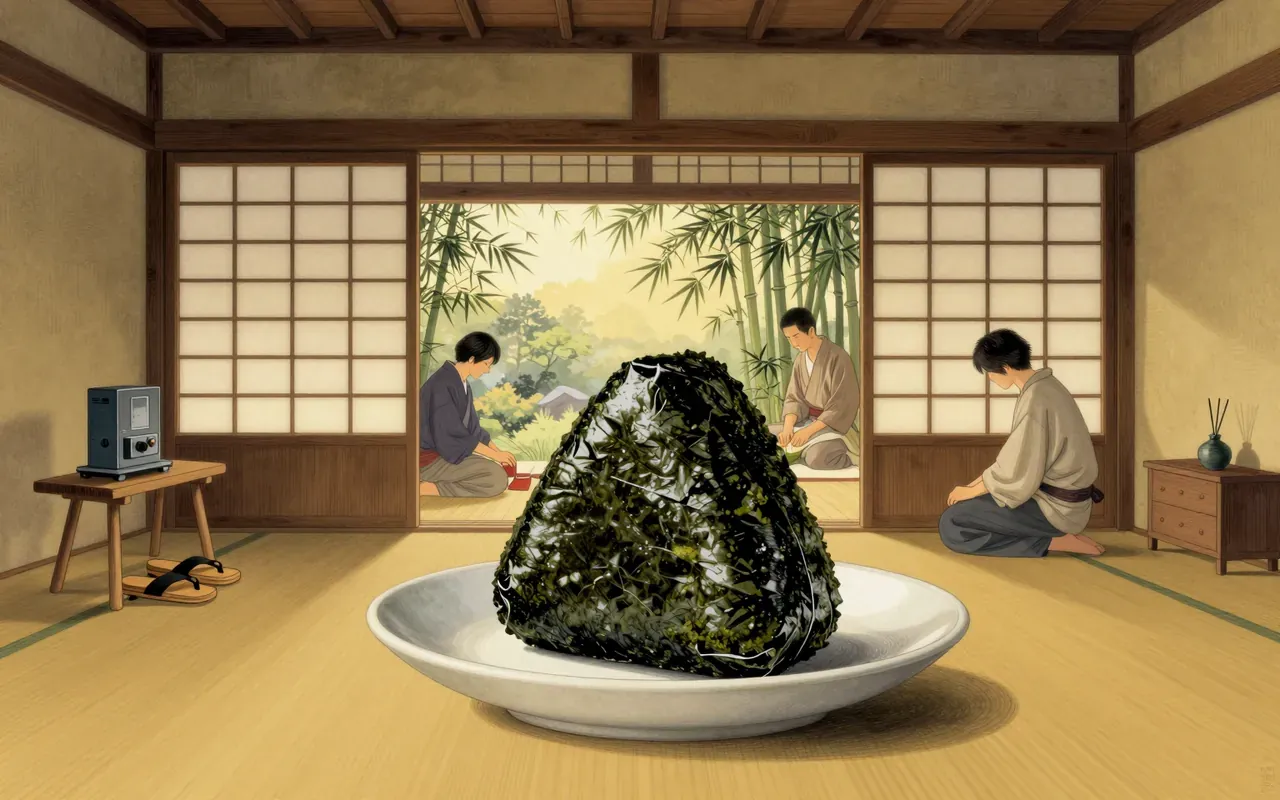
Onigiri is a Japanese rice ball made from white rice. It is also called omusubi or nigirimeshi. Archaeological evidence includes carbonized rice lumps from the Yayoi period (2000 years ago) in Ishikawa Prefecture. A 11th-century diary records people eating tonjiki rice balls.
Onigiri is a Japanese rice ball made from white rice.
0:17
How it works, in terms someone would actually use
It is formed by hand into triangular or cylindrical shapes and usually wrapped in nori.
0:27
What it gets right
It makes rice portable, easy to eat by hand, and preserves it.
0:37
What it does not
It is not sushi.
0:43
What it changed
It shifted from a practical way to store and reuse rice into a standardized portable meal for daily use.
0:51
Who it is for, and who it is not
It is for anyone needing handheld, rice-based food.
0:59
Is it worth your time
Yes—it delivers portable, preserved, hand-eaten rice without vinegar or fish.
Worth your time?
Selectively. Start with the brief, then cook the parts we point at.
What works
It makes rice portable, easy to eat by hand, and preserves it. It evolved from using leftover rice into a regular meal and bento staple.
What does not
It is not sushi. Unlike nigirizushi, it contains no vinegar, sugar, or fish-preservation function.
Cook it if
Skip it if
The written brief1 min read
What the dish is and where it came from
Onigiri is a Japanese rice ball made from white rice. It is also called omusubi or nigirimeshi. Archaeological evidence includes carbonized rice lumps from the Yayoi period (2000 years ago) in Ishikawa Prefecture. A 11th-century diary records people eating tonjiki rice balls.
How it works, in terms someone would actually use
It is formed by hand into triangular or cylindrical shapes and usually wrapped in nori. It uses plain rice—sometimes lightly salted—not vinegared sushi rice.
What it gets right
It makes rice portable, easy to eat by hand, and preserves it. It evolved from using leftover rice into a regular meal and bento staple.
What it does not
It is not sushi. Unlike nigirizushi, it contains no vinegar, sugar, or fish-preservation function.
What it changed
It shifted from a practical way to store and reuse rice into a standardized portable meal for daily use.
Who it is for, and who it is not
It is for anyone needing handheld, rice-based food. It is not for those seeking vinegared rice dishes or fish-preserved preparations.
Is it worth your time
Yes—it delivers portable, preserved, hand-eaten rice without vinegar or fish. Its simplicity and function are well documented.
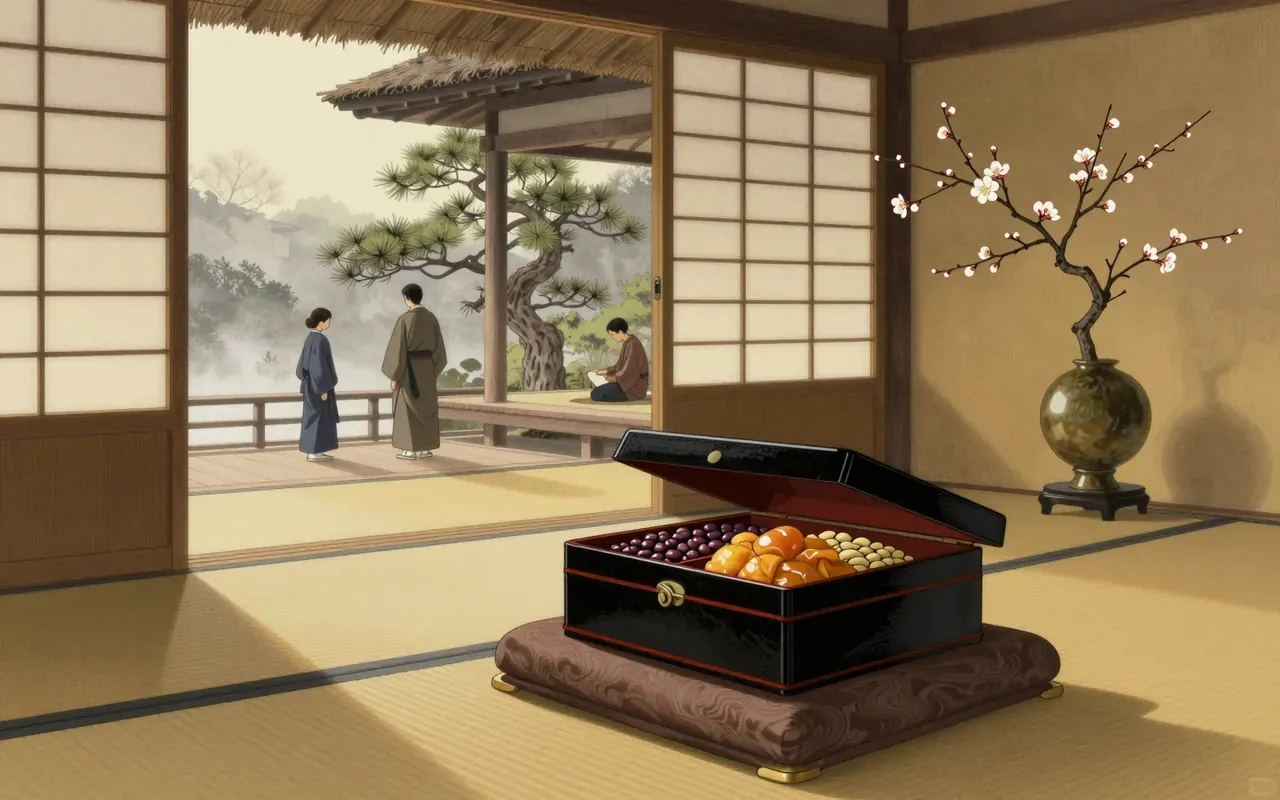
Osechi is a traditional Japanese New Year meal served in stacked lacquered boxes, composed of symbolic dishes meant to convey wishes for health and prosperity.