foodbriefs
0:59in productionCh. 1 · What the dish is and where it came from/ 0:59 · ceiling 15 min
Dishes · Food history

Salmorejo

A cold, thick Andalusian tomato soup from Córdoba, made with bread, garlic, and olive oil, often garnished with ham and eggs.

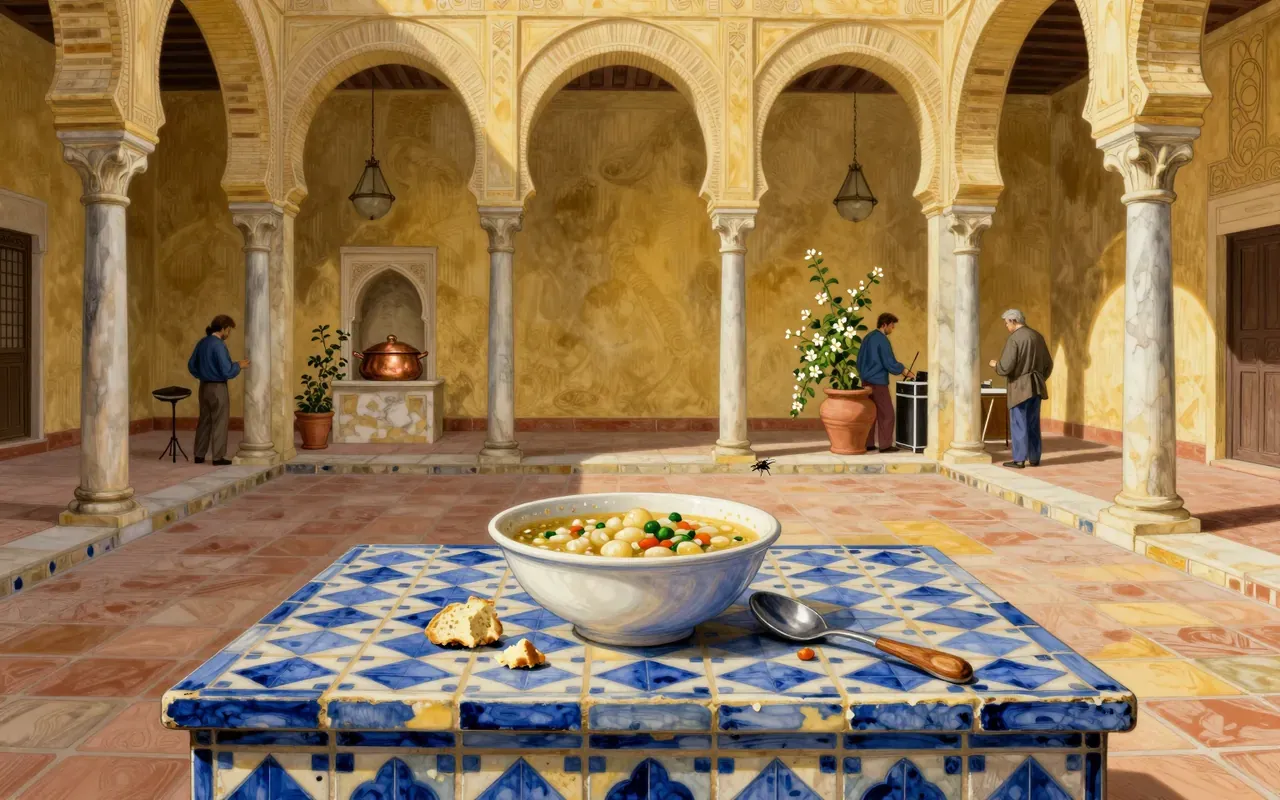
Salmorejo is a traditional cold soup from Córdoba, Andalusia, in southern Spain. It is made with tomato, bread, extra virgin olive oil, and garlic. It is also known as ardoria or ardorío.

Chapters & takeaways7
  1. 0:00
    What the dish is and where it came from

    Salmorejo is a traditional cold soup from Córdoba, Andalusia, in southern Spain.

  2. 0:13
    How it works, in terms someone would actually use

    Tomatoes are skinned and puréed with the other ingredients.

  3. 0:19
    What it gets right

    It is thicker and creamier than gazpacho due to more olive oil and use of a different bread.

  4. 0:30
    What it does not

    Its thick, cold consistency may be less appealing if you prefer a hot broth.

  5. 0:36
    What it changed

    It arose after the tomato’s introduction to Europe following the discovery of the New World.

  6. 0:42
    Who it is for, and who it is not

    It suits someone looking for a thick, chilled tomato soup.

  7. 0:51
    Is it worth your time

    It is worth your time if you enjoy chilled, creamy tomato soups with rich garnishes and regional Spanish flavors.
Worth your time?

Selectively. Start with the brief, then cook the parts we point at.

What works
  • It is thicker and creamier than gazpacho due to more olive oil and use of a different bread. Its pink-orange color and texture distinguish it visually and physically.
What does not
  • Its thick, cold consistency may be less appealing if you prefer a hot broth.
Cook it if
    Skip it if
      The written brief1 min read

      What the dish is and where it came from

      Salmorejo is a traditional cold soup from Córdoba, Andalusia, in southern Spain. It is made with tomato, bread, extra virgin olive oil, and garlic. It is also known as ardoria or ardorío.

      How it works, in terms someone would actually use

      Tomatoes are skinned and puréed with the other ingredients. The result is served cold.

      What it gets right

      It is thicker and creamier than gazpacho due to more olive oil and use of a different bread. Its pink-orange color and texture distinguish it visually and physically.

      What it does not

      Its thick, cold consistency may be less appealing if you prefer a hot broth.

      What it changed

      It arose after the tomato’s introduction to Europe following the discovery of the New World.

      Who it is for, and who it is not

      It suits someone looking for a thick, chilled tomato soup. Ham and hard-boiled egg garnishes change the choice for anyone avoiding those ingredients.

      Is it worth your time

      It is worth your time if you enjoy chilled, creamy tomato soups with rich garnishes and regional Spanish flavors.
      Same course · Dishes4 of 328
      Up next in Food

      Saltimbocca

      · 0:46

      A Roman dish of veal wrapped with prosciutto and sage, cooked in dry white wine and butter.

      0:46