1:22in productionCh. 1 · What the dish is and where it came from/ 1:22 · ceiling 15 min
Ingredients · Technique
Paneer
A fresh, non-melting soft cheese from the Indian subcontinent, made by acid-coagulating hot milk, draining, pressing, and chilling.
Paneer is a non-aged, non-melting soft cheese from the Indian subcontinent. Its origins are disputed: doubtful Vedic references exist; Persian and 17th-century Portuguese influences are theorized; the earliest archaeological evidence of heat-acid coagulated milk in India dates to 75–300 CE.
Paneer is a non-aged, non-melting soft cheese from the Indian subcontinent.
0:16
How it works, in terms someone would actually use
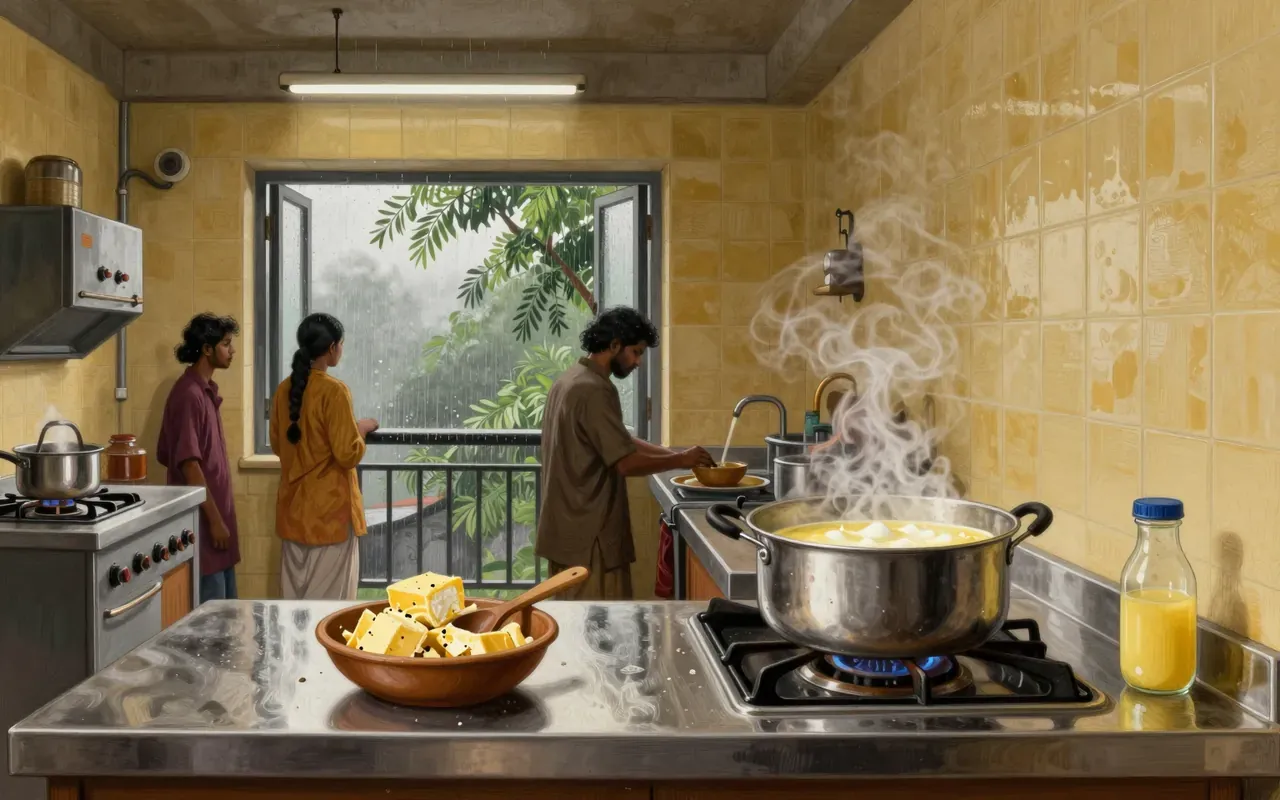
Hot milk is curdled with lemon juice, vinegar, citric acid, or dahi.
0:32
What it gets right
Its non-melting quality makes it hold shape in hot dishes.
0:42
What it does not
East Indian ponir is salted and hardened—less suitable for delicate curries than North Indian paneer.
0:51
What it changed
In Bengali and Odia cuisines, chhena is transformed into ponir—a salted, hardened form eaten sliced, fried, or cooked.
0:58
Who it is for, and who it is not
It is for people who want a mild, firm dairy ingredient that holds shape when cooked—or a salty, sliceable cheese for tea.
1:11
Is it worth your time
Yes—if you value a versatile, fresh cheese that works in curries, stir-fries, or as a simple snack.
Worth your time?
Selectively. Start with the brief, then cook the parts we point at.
What works
Its non-melting quality makes it hold shape in hot dishes. Its mild, milky flavor and tender-yet-firm texture suit both savory curries and simple teatime slices.
What does not
East Indian ponir is salted and hardened—less suitable for delicate curries than North Indian paneer. The hand-beaten method produces a denser, drier product.
Cook it if
Skip it if
The written brief1 min read
What the dish is and where it came from
Paneer is a non-aged, non-melting soft cheese from the Indian subcontinent. Its origins are disputed: doubtful Vedic references exist; Persian and 17th-century Portuguese influences are theorized; the earliest archaeological evidence of heat-acid coagulated milk in India dates to 75–300 CE.
How it works, in terms someone would actually use
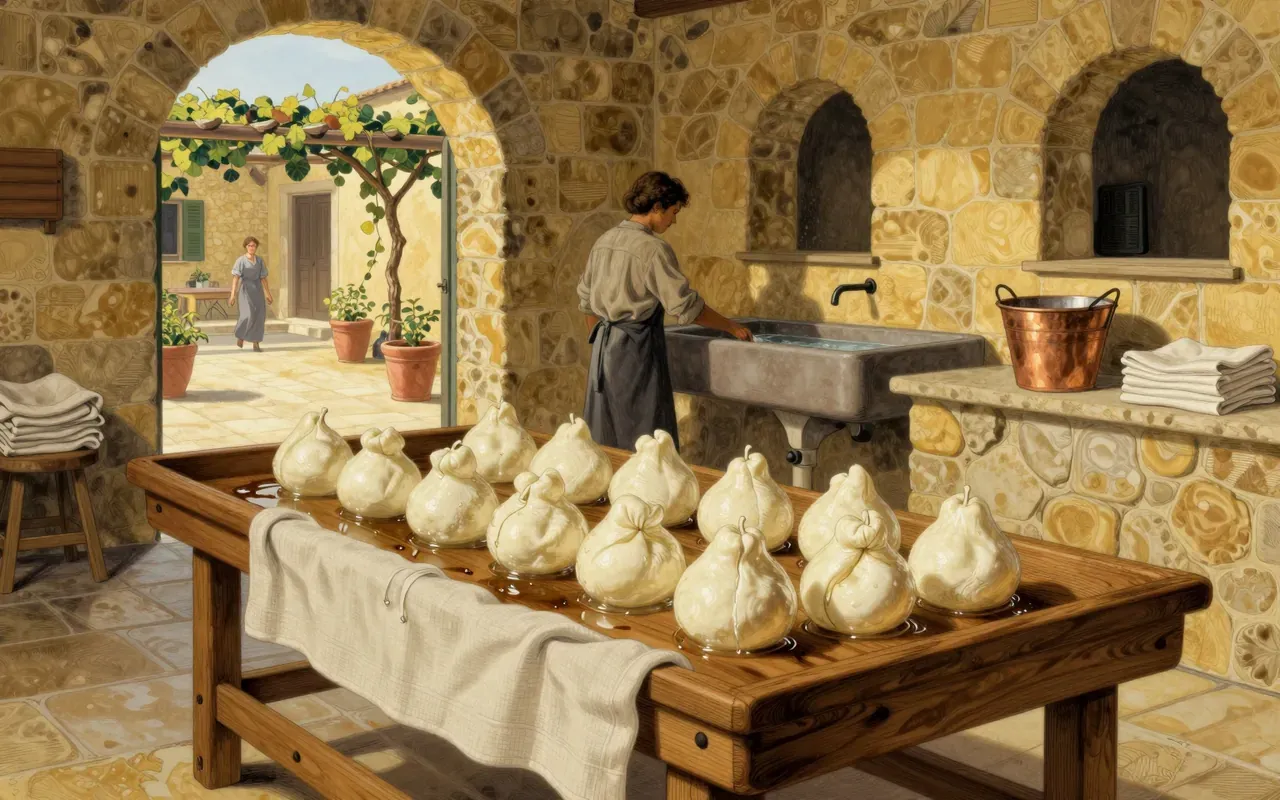
Hot milk is curdled with lemon juice, vinegar, citric acid, or dahi. Curds are drained in muslin, pressed under weight for two to three hours, then cut into cubes. Chilling in cold water for 2–3 hours improves texture and appearance.
What it gets right
Its non-melting quality makes it hold shape in hot dishes. Its mild, milky flavor and tender-yet-firm texture suit both savory curries and simple teatime slices.
What it does not
East Indian ponir is salted and hardened—less suitable for delicate curries than North Indian paneer. The hand-beaten method produces a denser, drier product.
What it changed
In Bengali and Odia cuisines, chhena is transformed into ponir—a salted, hardened form eaten sliced, fried, or cooked.
Who it is for, and who it is not
It is for people who want a mild, firm dairy ingredient that holds shape when cooked—or a salty, sliceable cheese for tea. It is not for those seeking aged, meltable, or tangy cheeses.
Is it worth your time
Yes—if you value a versatile, fresh cheese that works in curries, stir-fries, or as a simple snack. Its preparation is straightforward and its uses well-documented across regions.