foodbriefs
8:36in productionCh. 1 · Origin/ 8:36 · ceiling 15 min
Dishes

Patatas bravas

Spicy potatoes that refuse to be background noise—and don’t need to be.

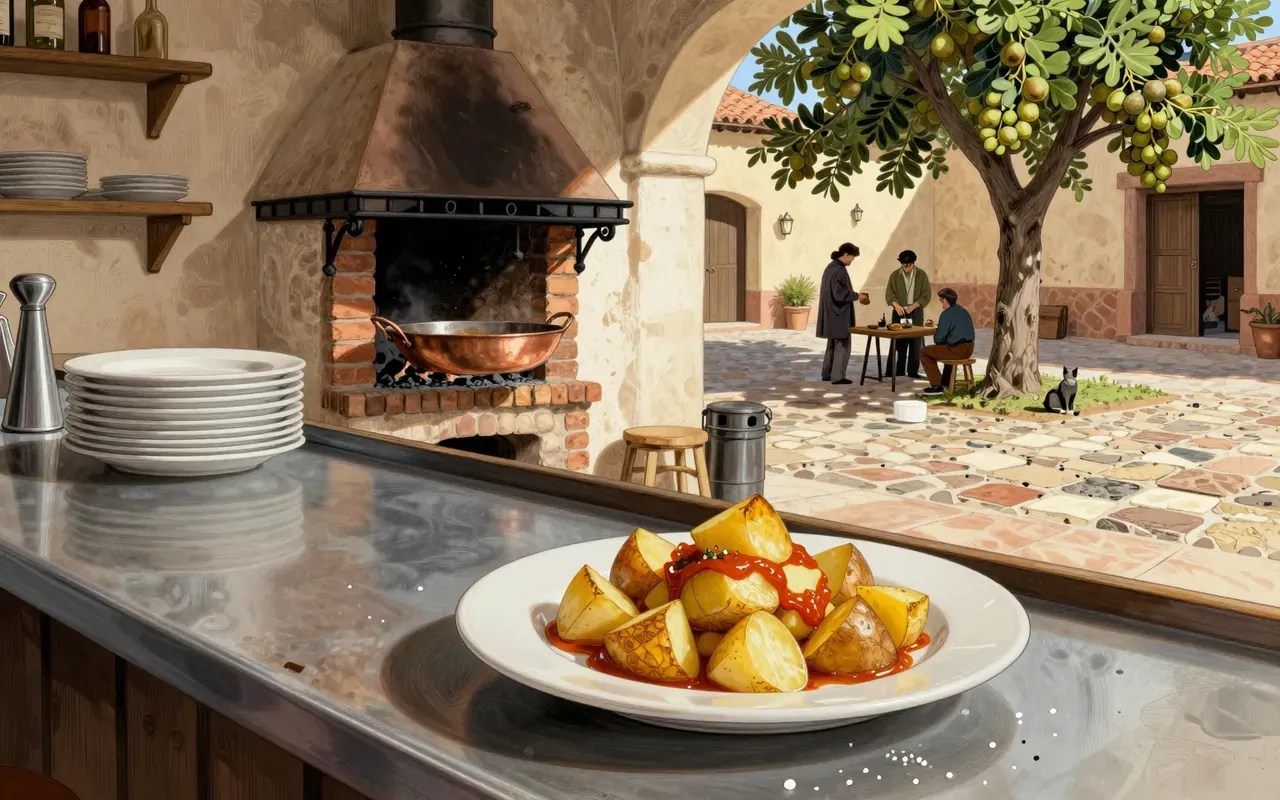
Patatas bravas is a Spanish tapas dish of fried white potato cubes served hot with a spicy brava sauce made primarily from pimentón de la Vera and olive oil, often thickened with cornstarch; standard servings weigh about 0.25 kg.

Chapters & takeaways4
  1. 0:58
    Origin

    It is native to Spain—not adapted, not imported, not debated.

  2. 2:05
    Cut & Fry

    2 cm cubes fry evenly and hold sauce without turning mushy.

  3. 3:20
    Sauce Logic

    Pimentón de la Vera and cornstarch define the sauce—not chilli flakes or ketchup.

  4. 5:18
    Portion

    A standard serving is 0.25 kg—enough for sharing, not enough to linger.

Worth your time?

Yes. Cook the whole thing.

4/ 5
What works
  • 2 cm cubes hold shape and carry sauce
  • pimentón de la Vera gives unmistakable smokiness
  • cornstarch ensures sauce clings, not pools
What does not
  • balance acidity
  • offer freshness
  • include herbs or citrus
Cook it if
  • people who want bold, immediate flavour with zero pretence
Skip it if
  • those seeking subtlety, contrast, or structural complexity
The written brief1 min read

What the dish is and where it came from

Patatas bravas is a Spanish tapas dish: fried white potato cubes served hot with a spicy brava sauce.

How it works, in terms someone would actually use

Cubes of white potato, 2 cm wide, are fried in oil until crisp. The brava sauce is built on pimentón de la Vera and olive oil, thickened with cornstarch to cling to hot potatoes.

What it gets right

The 2 cm cube holds its shape through frying and carries sauce without collapsing. Pimentón de la Vera gives the sauce unmistakable smokiness—not just heat—and cornstarch ensures it coats, not pools.

What it does not

It does not balance acidity or freshness. There is no vinegar, lemon, herb or raw element to cut the oil and starch. It is all forward heat and fat.

What it changed

It turned humble potatoes into a vehicle for assertive, regional spice—elevating starch with pimentón de la Vera’s smoky depth, not cream or cheese.

Who it is for, and who it is not

It is for people who want bold, immediate flavour with zero pretence. It is not for those seeking subtlety, contrast, or structural complexity.

Is it worth your time

Yes—if you want a fast, bold, textural tapa that delivers heat and richness in equal measure. It demands no patience, no technique beyond even frying, and rewards immediate eating.
Same course · Dishes4 of 504
Up next in Food

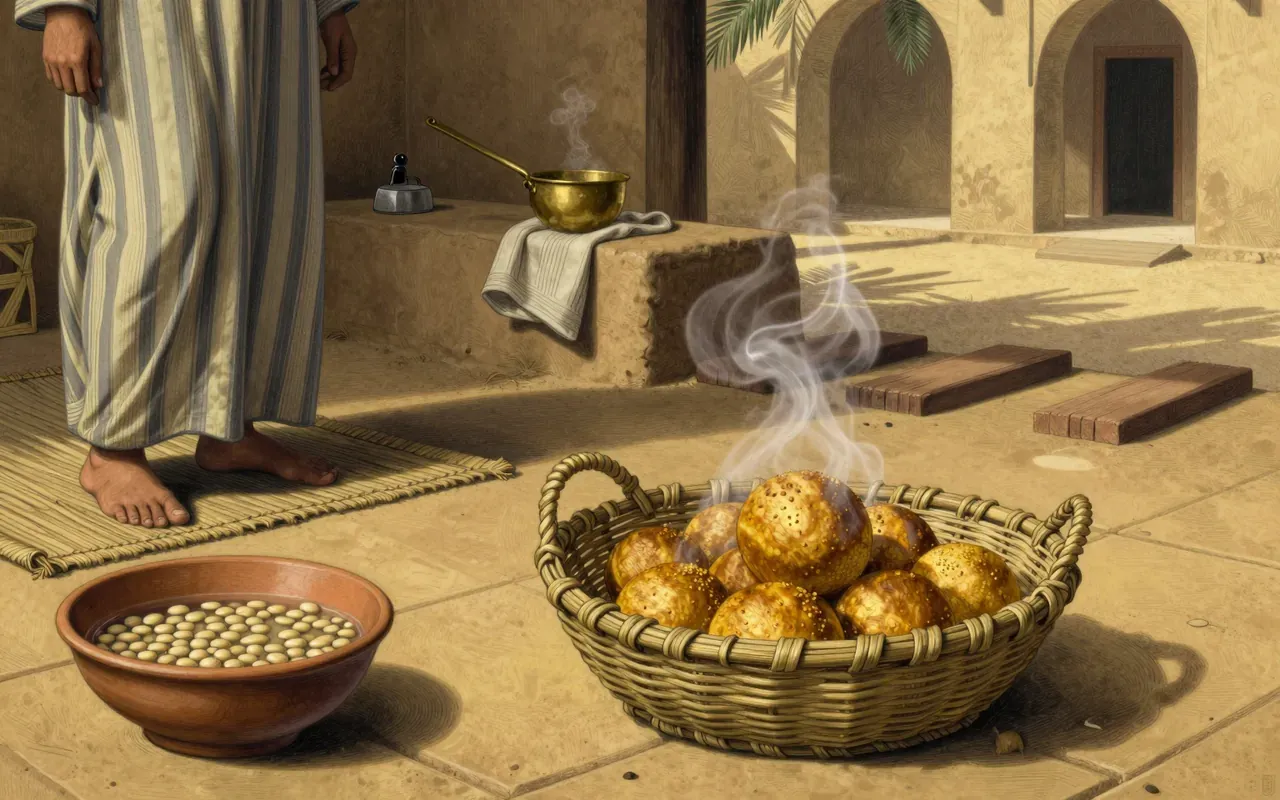
Ta'ameya

· 8:48

Falafel’s Egyptian cousin swaps chickpeas for fava beans—and trades levity for earthy heft.

8:48