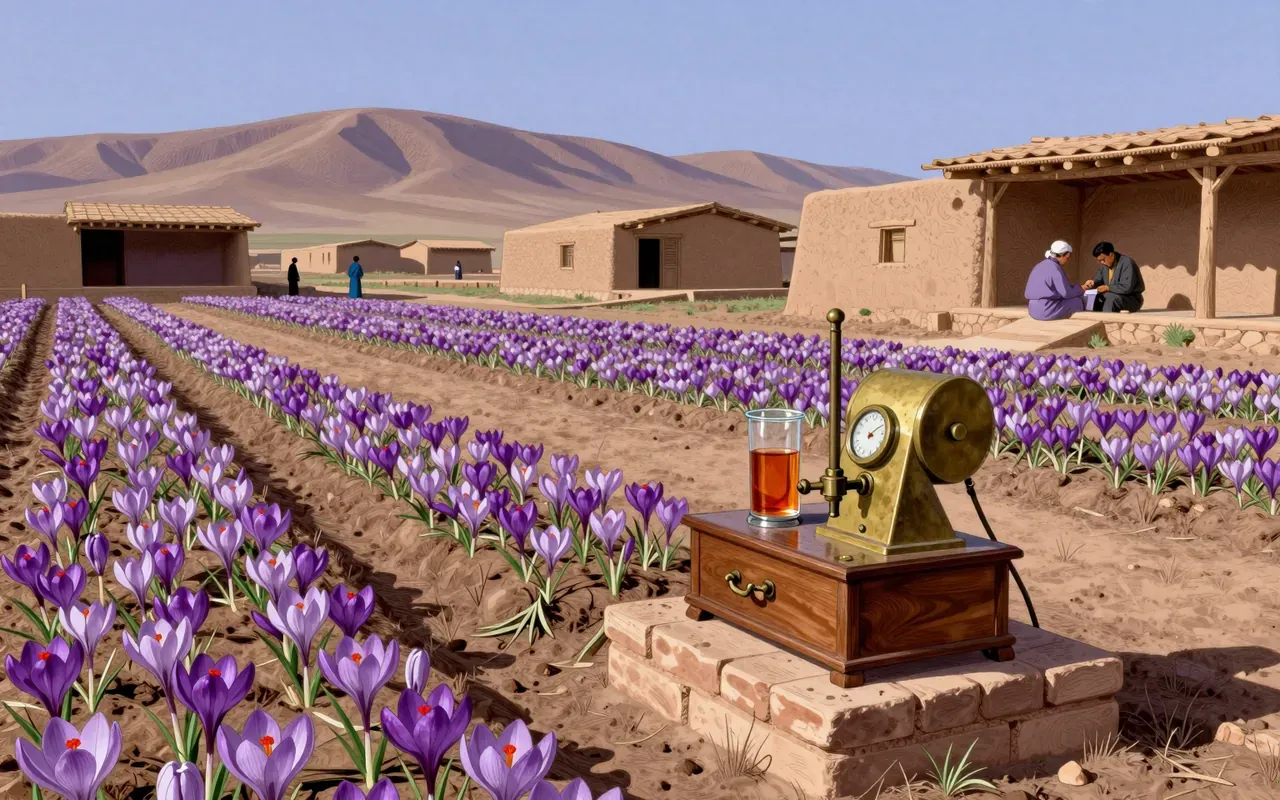
Saffron comes from one part of one sterile flower: the stigma and style of Crocus sativus.
1:50
Three molecules, three effects
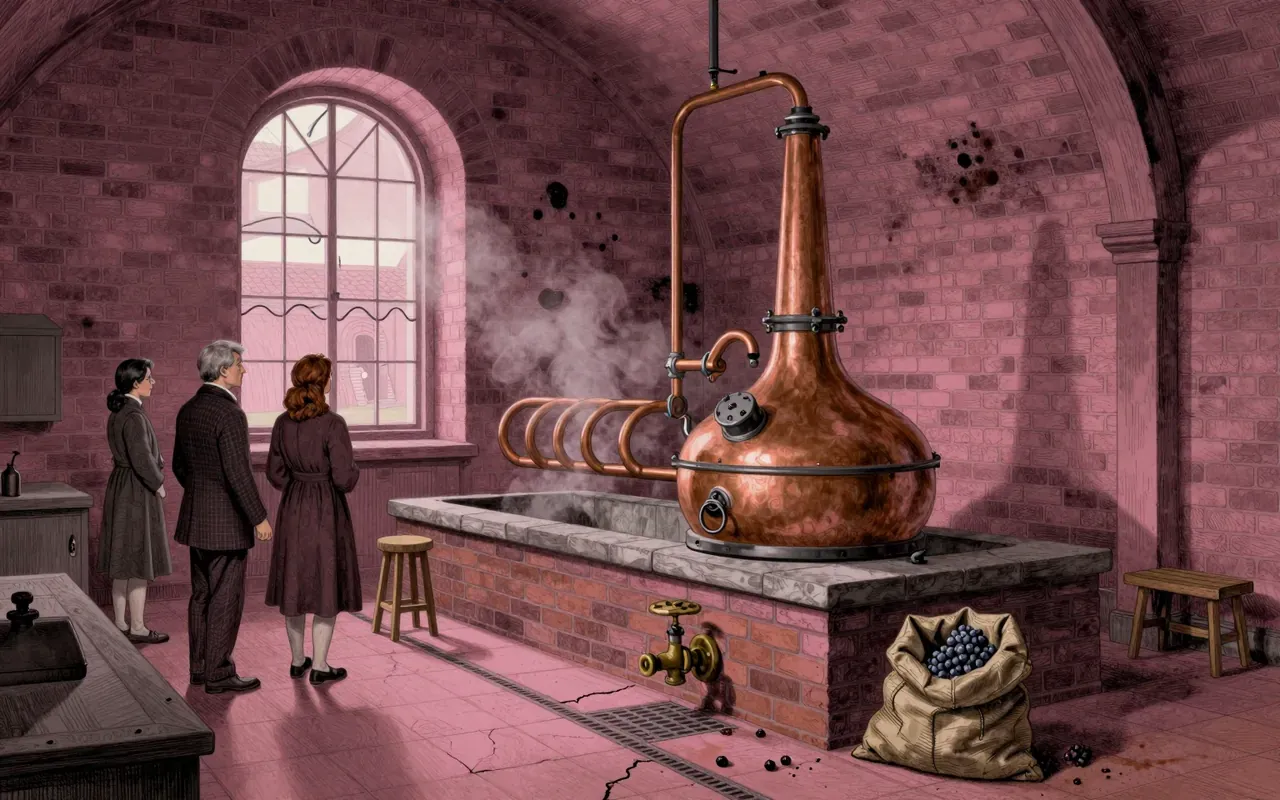
Its taste, hay-like aroma, and golden colour are each produced by a distinct molecule.
3:02
Graded by light, not lore
Quality isn’t judged by reputation—it’s quantified by spectrophotometry against ISO 3632.
4:28
Labour-intensive, season-limited
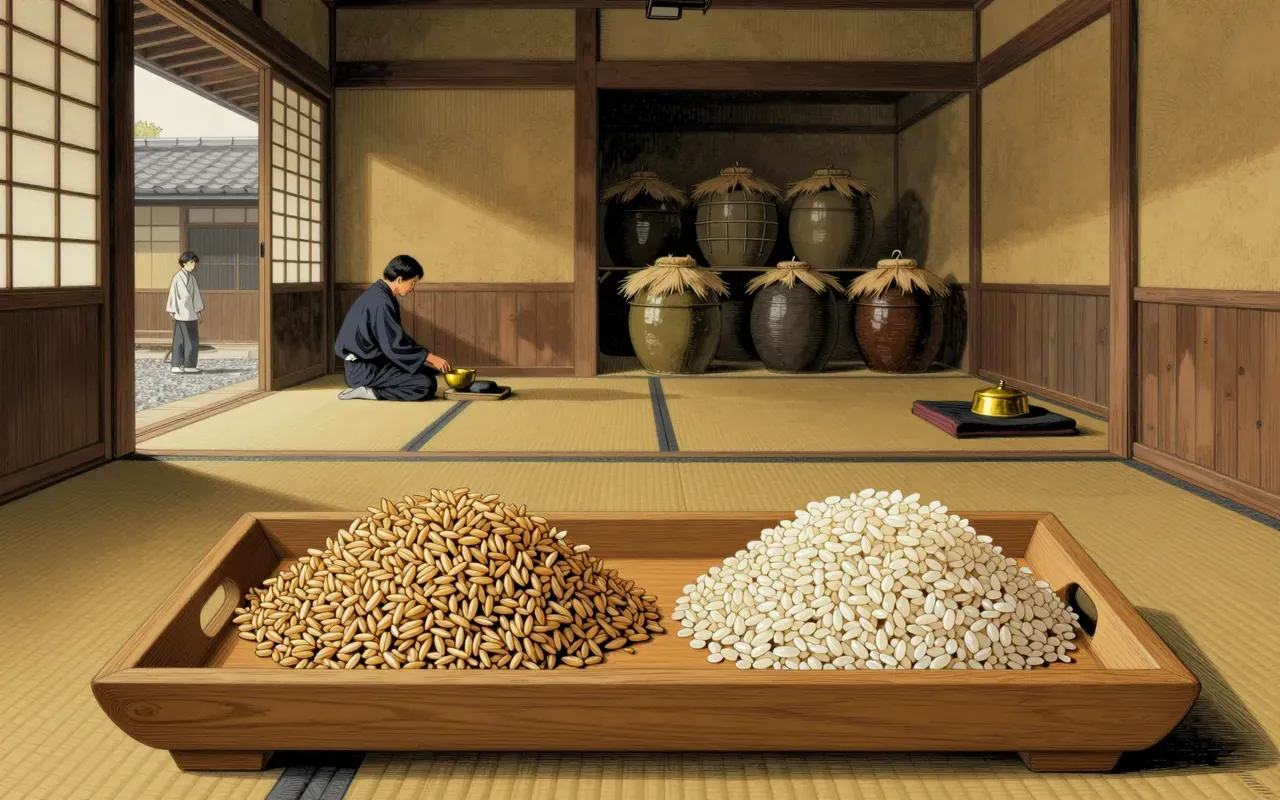
It costs more than gold per kilogram because every thread must be hand-plucked from a flower that blooms once a year.
Worth your time?
Yes. Cook the whole thing.
4.5/ 5
What works
ISO 3632 standard
Crocus sativus biology
Khorasan origin
$5,000/kg price anchor
What does not
symbolism
influence
cultural narrative
Cook it if
cooks who measure by weight
chemists who work with carotenoids
supply-chain analysts
Skip it if
food writers seeking myth
historians without primary sources
designers looking for visual motifs
The written brief1 min read
What the thing is
Saffron is the dried crimson stigmas and styles of Crocus sativus, a sterile autumn-blooming flower.
Where it came from
It originated in Iran’s Khorasan region and has been traded for over 3,500 years.
What it gets right
It delivers precise sensory effects: picrocrocin for taste, safranal for aroma, crocin for golden-yellow colour in food and textiles.
What it gets wrong
Nothing is claimed to be wrong—this is a botanical and commercial fact set, not a contested interpretation or flawed system.
Why it matters now
Because its ISO 3632 grading standardises quality objectively—unusual for a spice—and its $5,000+/kg price exposes the hidden cost of hand-harvested biological specificity.
Is it worth your time
Yes—if you care how a single plant part became the world’s most expensive spice through chemistry, labour, and trade. No—if you expect cultural symbolism or culinary drama.