1:07in productionCh. 1 · What the dish is and where it came from/ 1:07 · ceiling 15 min
Drinks · Food history
Bubble tea
A tea-based drink from Taiwan, typically with chewy tapioca balls, milk, and flavoring.
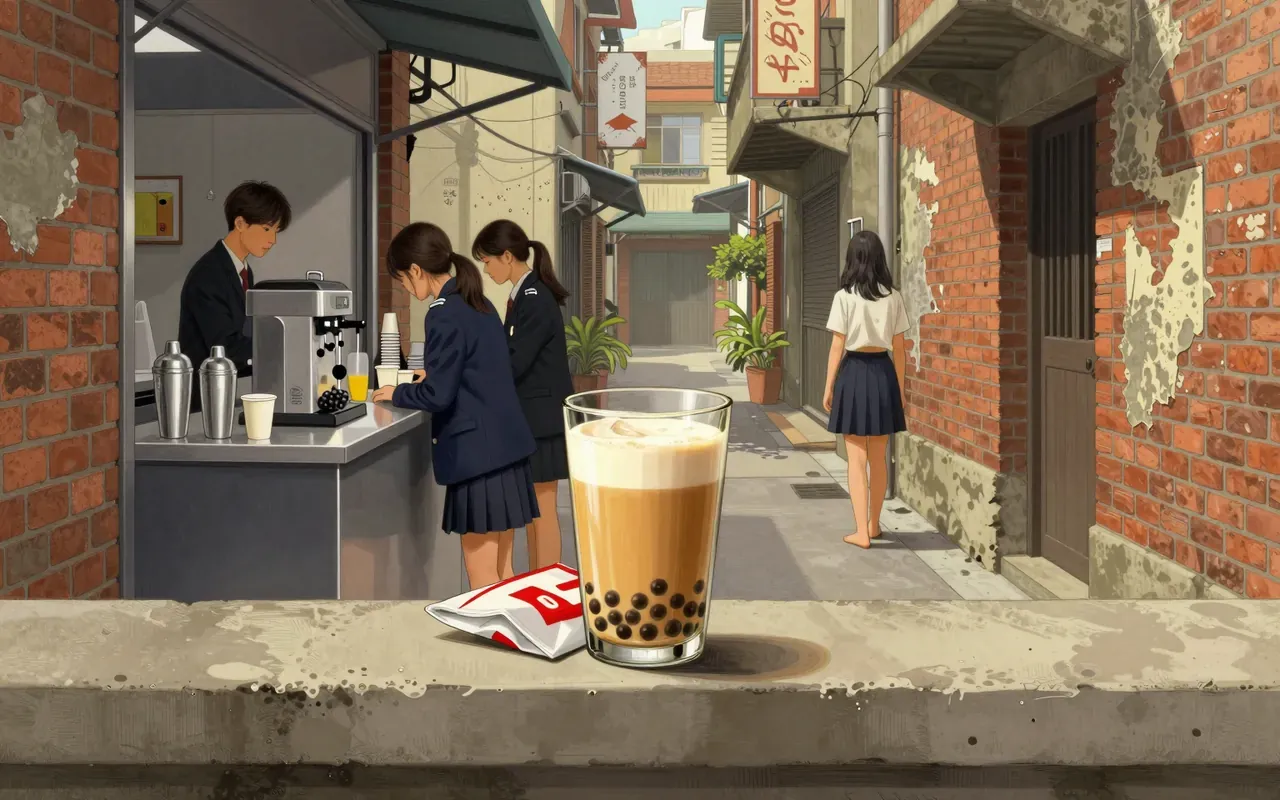
Bubble tea is a tea-based drink most often containing chewy tapioca balls, milk, and flavoring. It originated in Taiwan in the 1980s. Two competing claims exist: Chun Shui Tang tea room in Taichung (1988) and Hanlin Tea Room in Tainan (1986). A 2019 court ruled neither party holds exclusive rights.
Bubble tea is a tea-based drink most often containing chewy tapioca balls, milk, and flavoring.
0:20
How it works, in terms someone would actually use
It is traditionally prepared by mixing sugar, powders, and flavorings in a shaker cup by hand.
0:26
What it gets right
It gets right a combination of tea, milk, sweetness, and chewy texture from tapioca pearls.
0:38
What it does not
It does not require tapioca pearls—other toppings may replace them—but the classic version centers on chewy balls.
0:45
What it changed
It changed beverage culture by spreading globally alongside East Asian diaspora communities.
0:50
Who it is for, and who it is not
It is for people who enjoy tea-based drinks with added texture and sweetness.
1:01
Is it worth your time
It is worth your time if you like customizable, textured tea drinks with milk and sweetness.
Worth your time?
Selectively. Start with the brief, then cook the parts we point at.
What works
It gets right a combination of tea, milk, sweetness, and chewy texture from tapioca pearls. Other toppings like grass jelly, aloe vera, red bean, or popping boba offer variety.
What does not
It does not require tapioca pearls—other toppings may replace them—but the classic version centers on chewy balls.
Cook it if
Skip it if
The written brief1 min read
What the dish is and where it came from
Bubble tea is a tea-based drink most often containing chewy tapioca balls, milk, and flavoring. It originated in Taiwan in the 1980s. Two competing claims exist: Chun Shui Tang tea room in Taichung (1988) and Hanlin Tea Room in Tainan (1986). A 2019 court ruled neither party holds exclusive rights.
How it works, in terms someone would actually use
It is traditionally prepared by mixing sugar, powders, and flavorings in a shaker cup by hand.
What it gets right
It gets right a combination of tea, milk, sweetness, and chewy texture from tapioca pearls. Other toppings like grass jelly, aloe vera, red bean, or popping boba offer variety.
What it does not
It does not require tapioca pearls—other toppings may replace them—but the classic version centers on chewy balls.
What it changed
It changed beverage culture by spreading globally alongside East Asian diaspora communities.
Who it is for, and who it is not
It is for people who enjoy tea-based drinks with added texture and sweetness. It is not for those avoiding dairy, added sugar, or chewy elements like tapioca.
Is it worth your time
It is worth your time if you like customizable, textured tea drinks with milk and sweetness.
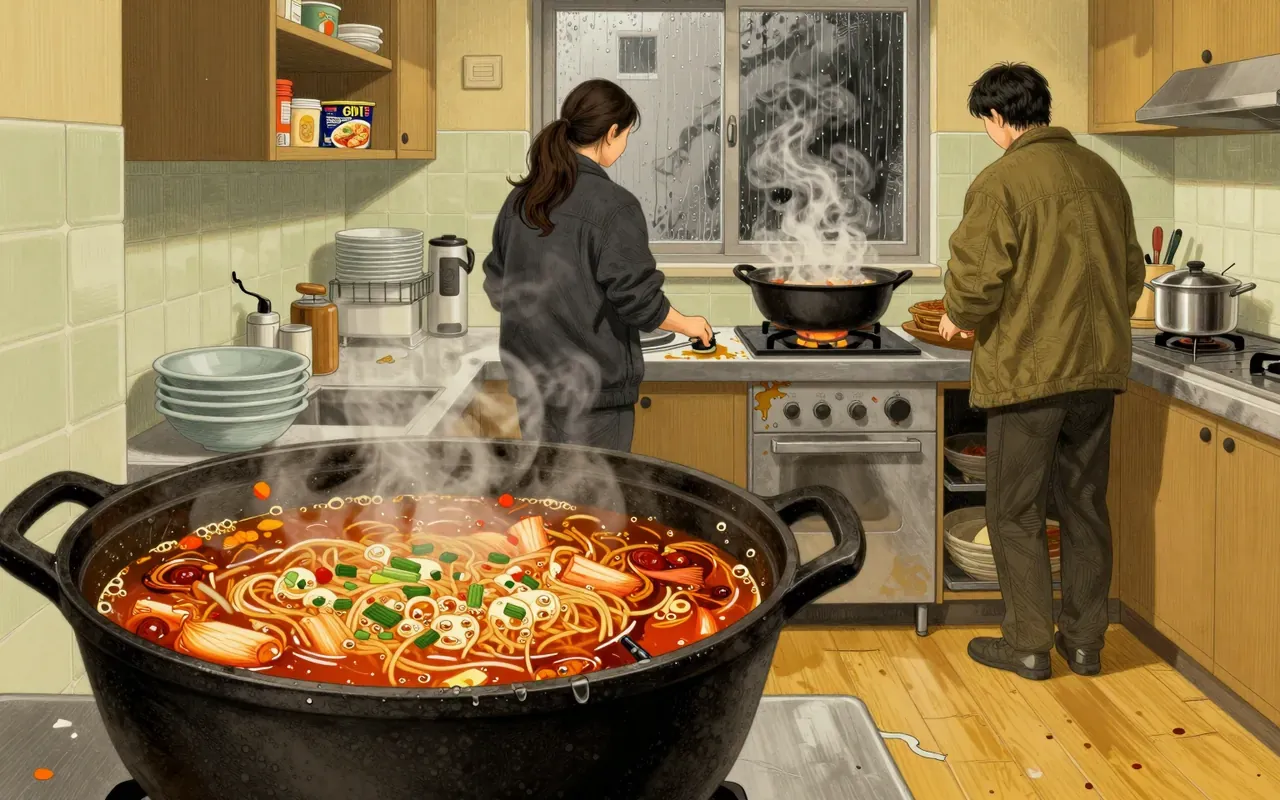
A spicy Korean stew made with processed meats, kimchi, instant noodles, and American cheese, rooted in postwar scarcity and later popularized in Uijeongbu.