9:34in productionCh. 1 · The Three Grapes Rule/ 9:34 · ceiling 15 min
Culture · Drinks
Champagne
Champagne isn’t about bubbles—it’s about borders drawn in bottle pressure.
Champagne is a legal construct first, a drink second. Its rules exclude most sparkling wine made the same way elsewhere. Its history contradicts its mythology: it borrowed the method, then patented the name.
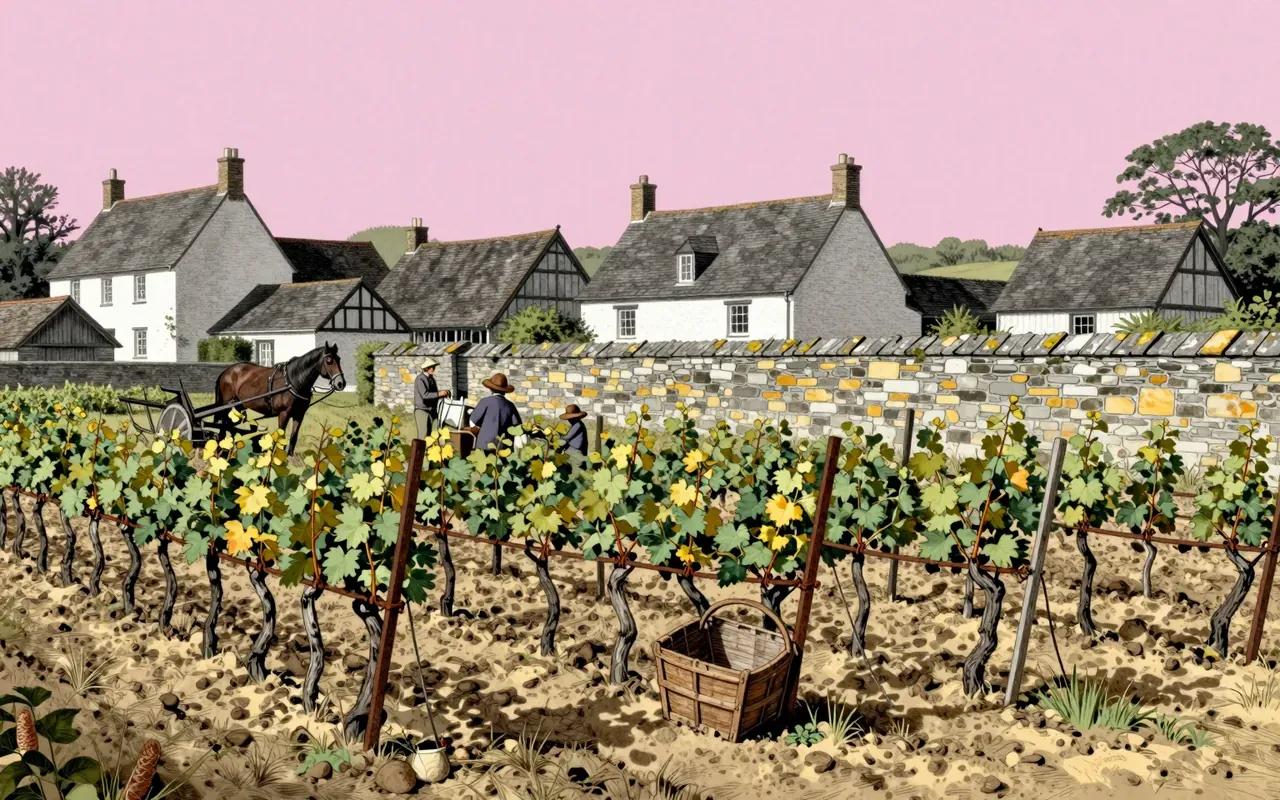
Champagne is defined by three grapes—and a legal firewall.
2:35
Not Invented Here
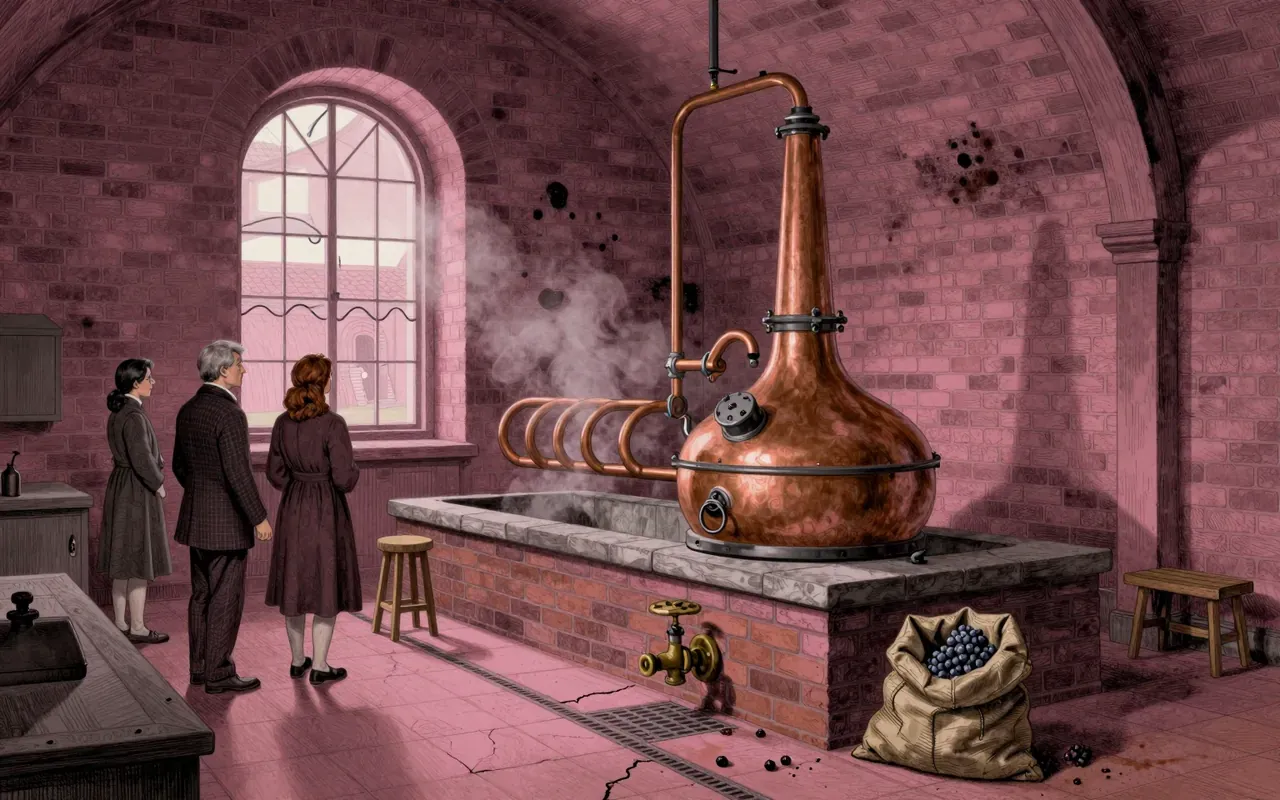
The méthode traditionnelle was invented elsewhere—and documented long before Champagne used it.
4:20
The Cork Trap
The muselet solved a problem Champagne created only after adopting the method two centuries late.
5:59
Bottle Count Capitalism
Its rise was industrial: from 300,000 bottles in 1800 to 338.7 million in 2007.
Worth your time?
Yes. Cook the whole thing.
3.5/ 5
What works
as a case study in geographical indication law
as evidence of industrial scaling in agriculture
as a lens on colonial-era trade asymmetries
What does not
celebrity
fashion
literature
Cook it if
lawyers
winemakers
trade-policy-watchers
Skip it if
casual drinkers
romantics
historians of taste
The written brief1 min read
What the thing is
Champagne is a legally protected sparkling wine. It is not a style or technique. It is a place-bound product governed by AOC rules.
Where it came from
It originated in the Champagne region of France, where viticulture dates to at least the 5th century. Its effervescence began accidentally, then became codified only in the 19th century.
What it gets right
It enforces strict geographic and methodological boundaries. Only wines from Champagne, made with specific grapes and méthode traditionnelle, may be called champagne.
What it gets wrong
It falsely implies uniqueness of method. The méthode traditionnelle was documented in England in 1662—two centuries before Champagne adopted it—and Blanquette de Limoux predates it by over a century.
Why it matters now
It remains the world’s most legally contested wine name—a test case for geographical indication law, global branding, and the tension between terroir and trade.
Is it worth your time
Yes—if you care how legal definitions shape global luxury markets, or how a regional wine became a symbol of celebration through industrial scale and technical constraint.