foodbriefs
8:40in productionCh. 1 · What smoking actually is/ 8:40 · ceiling 15 min
Technique · Preserving & fermentation

Smoking (cooking)

Smoking isn’t about keeping food safe—it’s about making it unforgettable, one layer of wood smoke at a time.

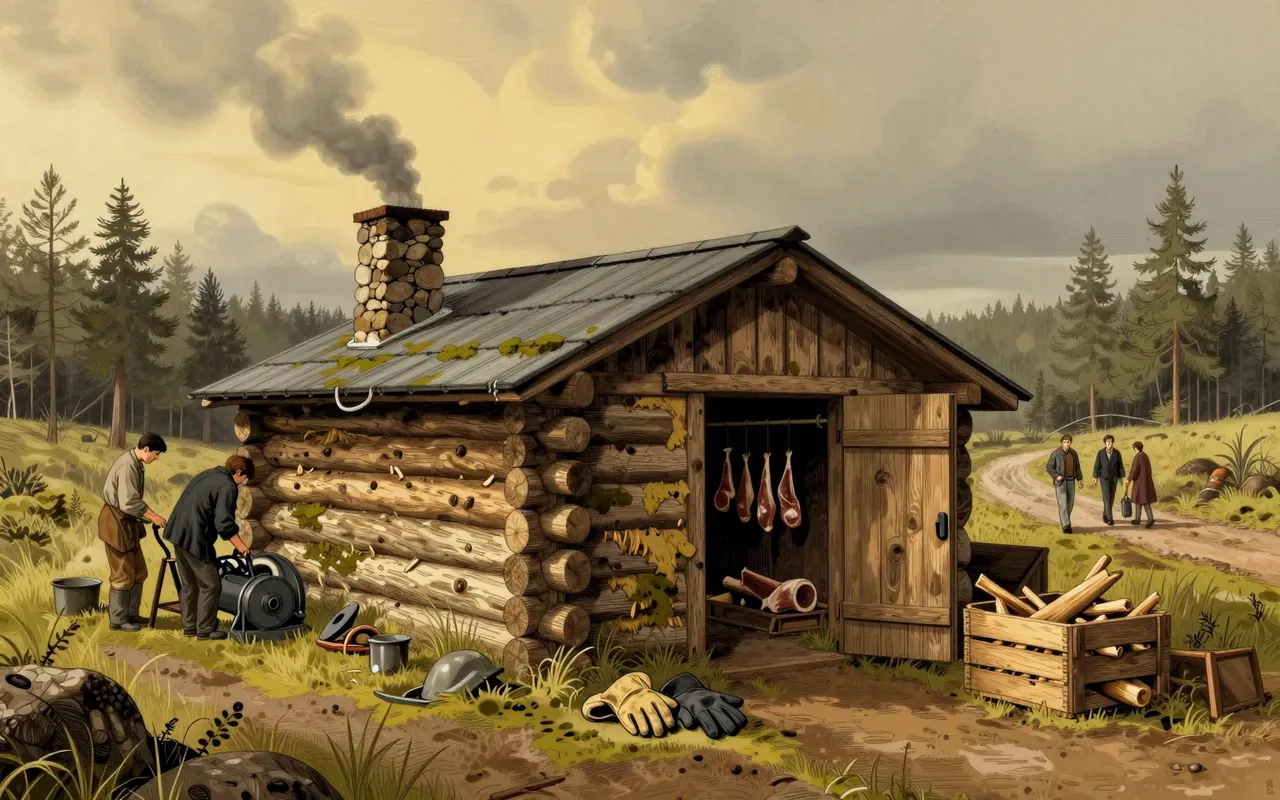
Smoking is a technique—not a dish—that uses wood smoke to flavour, brown, or preserve meat, fish, and tea. It dates to the Paleolithic era. Historically paired with heavy salting for preservation, it now serves flavour first. It works only when surface conditions allow smoke adhesion—and fails without control over temperature, airflow, or wood combustion.

Chapters & takeaways4
  1. 0:58
    What smoking actually is

    Smoking is exposure to wood smoke—not heat alone—to flavour, brown, cook, or preserve.

  2. 2:22
    Older than fire control

    It began in the Paleolithic era, long before recipes or thermometers.

  3. 3:29
    From necessity to nuance

    Salting and days-long smoke gave way to shorter, flavour-led sessions once refrigeration and transport improved.

  4. 4:43
    The step that decides success

    Modern smoking prioritises taste—but only works if the food’s surface is cool and slightly moist to catch smoke particles.

Worth your time?

Yes. Cook the whole thing.

4.5/ 5
What works
  • delivers unmatched aroma and surface complexity
  • relies on a single decisive step: cool, damp surface before smoke exposure
What does not
  • preserves reliably without salt or refrigeration
  • cooks evenly without temperature control
  • works identically across wood types or setups
Cook it if
  • cooks who value distinctiveness over convenience
  • those with ventilation and dedicated equipment
Skip it if
  • beginners without guidance
  • kitchens without smoke management
The written brief1 min read

What the dish is and where it came from

Smoking is a cooking and preservation method, not a dish. It originated in the Paleolithic era. It applies to meat, fish, and tea using wood smoke.

How it works, in terms someone would actually use

Smoking exposes food—especially meat, fish, and tea—to smoke from burning or smoldering wood. It works via cold, warm, or hot smoking, each defined by temperature range and effect on doneness and safety.

What it gets right

It delivers unmistakable aroma and surface complexity no other heat method replicates. The smoke adheres best when food is cool and damp—so the step that decides success is surface preparation before exposure.

What it does not

It does not preserve food reliably without salting or refrigeration. It does not cook evenly without temperature control. It does not work identically across wood types, moisture levels, or airflow setups.

What it changed

It shifted from a preservation method requiring heavy salting and days of exposure to a flavour-first technique enabled by modern transport and refrigeration.

Who it is for, and who it is not

It is for cooks who value distinctiveness over convenience, and who have access to equipment that maintains low, steady heat and airflow. It is not for beginners without guidance, or for kitchens without ventilation or space for smoke management.

Is it worth your time

Yes—if you want layered, wood-infused flavour and control over texture. No—if you need speed, simplicity, or precise, reproducible results without equipment or space.
Same course · Technique4 of 121
Up next in Food

Fried chicken

· 11:14

Fried chicken is not comfort food — it’s a collision of Scottish technique, West African seasoning, and American exploitation, sealed in crisp crust.

11:14