foodbriefs
10:42in productionCh. 1 · How it connects/ 10:42 · ceiling 15 min
Restaurants

Farm-to-table

Farm-to-table is a label, not a guarantee—and fraud is baked in.

Farm-to-table is a movement, not a dish. It names real problems but delivers inconsistent, unverifiable promises. Fraud is documented. Local content is often minimal. Its value lies in raising awareness—not in guaranteeing what’s on the plate.

Chapters & takeaways6
  1. 0:58
    How it connects

    It relies on five concrete methods—not ideology—to connect eater to producer.

  2. 2:11
    Why it’s always partial

    Most restaurants label only some dishes or ingredients as local—because they can’t source everything locally.

  3. 3:36
    What it names correctly

    It names real harms: bland shipped food, vanishing heirlooms, and fragile centralised supply chains.

  4. 4:24
    Where it fails visibly

    Investigations found fraud across menus: dead suppliers, wrong seasons, fake vendors, and token local content.

  5. 6:18
    What it changed

    It shifted expectations—but not practices—making traceability a selling point, not a standard.

  6. 7:38
    Who must do the work

    It works only if you check the farm, the season, and the supplier—because the label doesn’t.

Worth your time?

No. The brief is enough.

2.5/ 5
What works
  • names systemic risks in centralised food systems
  • highlights loss of heirloom varieties and small farms
  • makes freshness and nutrition explicit motivators
What does not
  • guarantee local origin
  • ensure seasonality
  • prevent fraud
  • deliver affordability
Cook it if
  • consumers who verify sources themselves
  • those who prioritise traceability over convenience
Skip it if
  • diners expecting full local sourcing
  • budget-conscious eaters
  • those who trust menu claims at face value
The written brief1 min read

What the dish is and where it came from

Farm-to-table is not a dish. It is a social movement and marketing label for food service that claims direct local sourcing—from farms, fisheries, or breweries—to restaurants and schools.

How it works, in terms someone would actually use

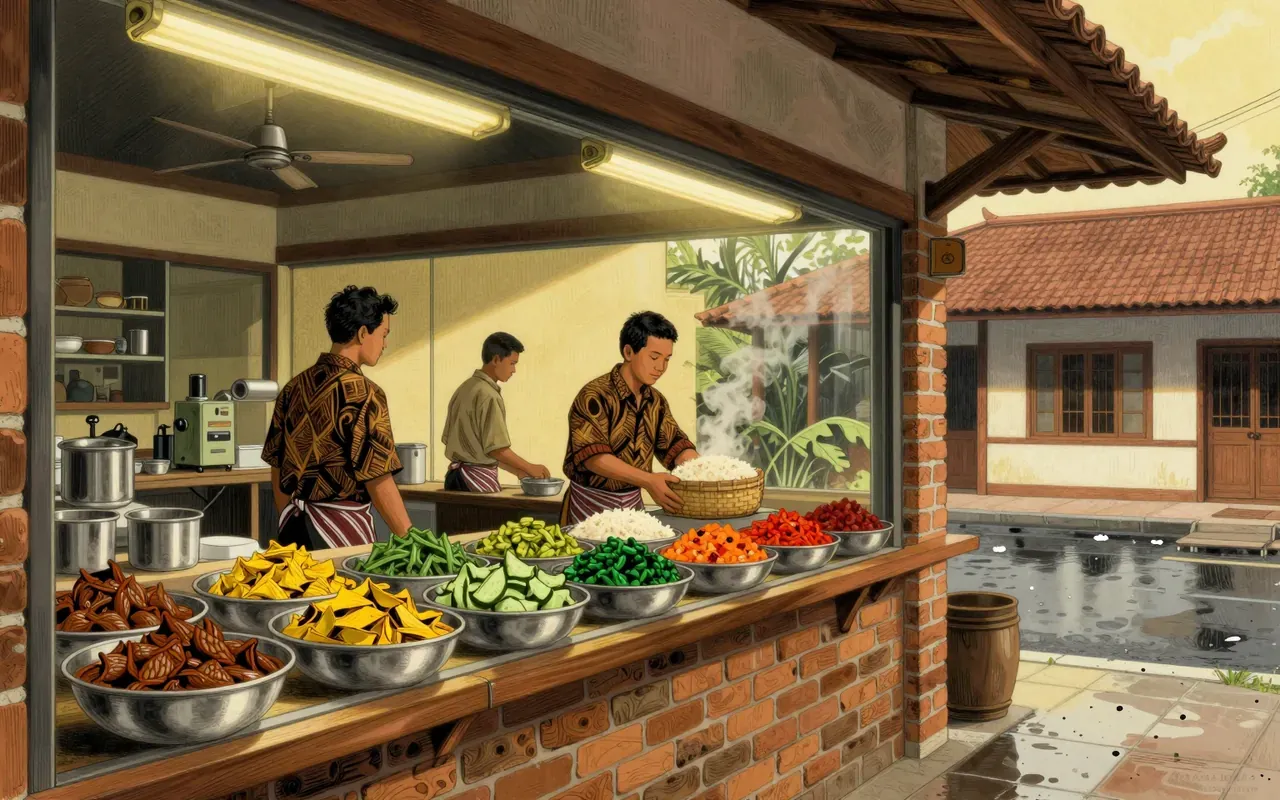
It works by connecting restaurants and schools directly to producers—farmers, fisheries, breweries—via sales, CSAs, farmers’ markets, local distributors, or on-site growing.

What it gets right

It correctly identifies real problems: shipped ingredients lose flavour and nutrition; small farms and heirloom varieties are disappearing; centralised food systems carry systemic risk.

What it does not

It does not guarantee local origin, freshness, or seasonality. It does not require full sourcing transparency, and it does not prevent false claims about suppliers, species, or timing.

What it changed

It changed restaurant marketing, pushing local sourcing into fast-casual chains like Sweetgreen and Dig Inn, and embedding traceability as a consumer expectation—even when unfulfilled.

Who it is for, and who it is not

It is for consumers who value traceability and want to support small producers. It is not for those who expect consistent local sourcing, verifiable claims, or affordable access.

Is it worth your time

It is not worth your time as a dining promise unless you verify the source yourself: fraud is documented, seasonal mismatches are common, and local content is often minimal.
Same course · Restaurants4 of 9
Up next in Food

Fusion cuisine

· 10:31

Fusion cuisine isn’t a trend — it’s the oldest pattern in cooking, misnamed only 22 years ago.

10:31