What the dish is and where it came from
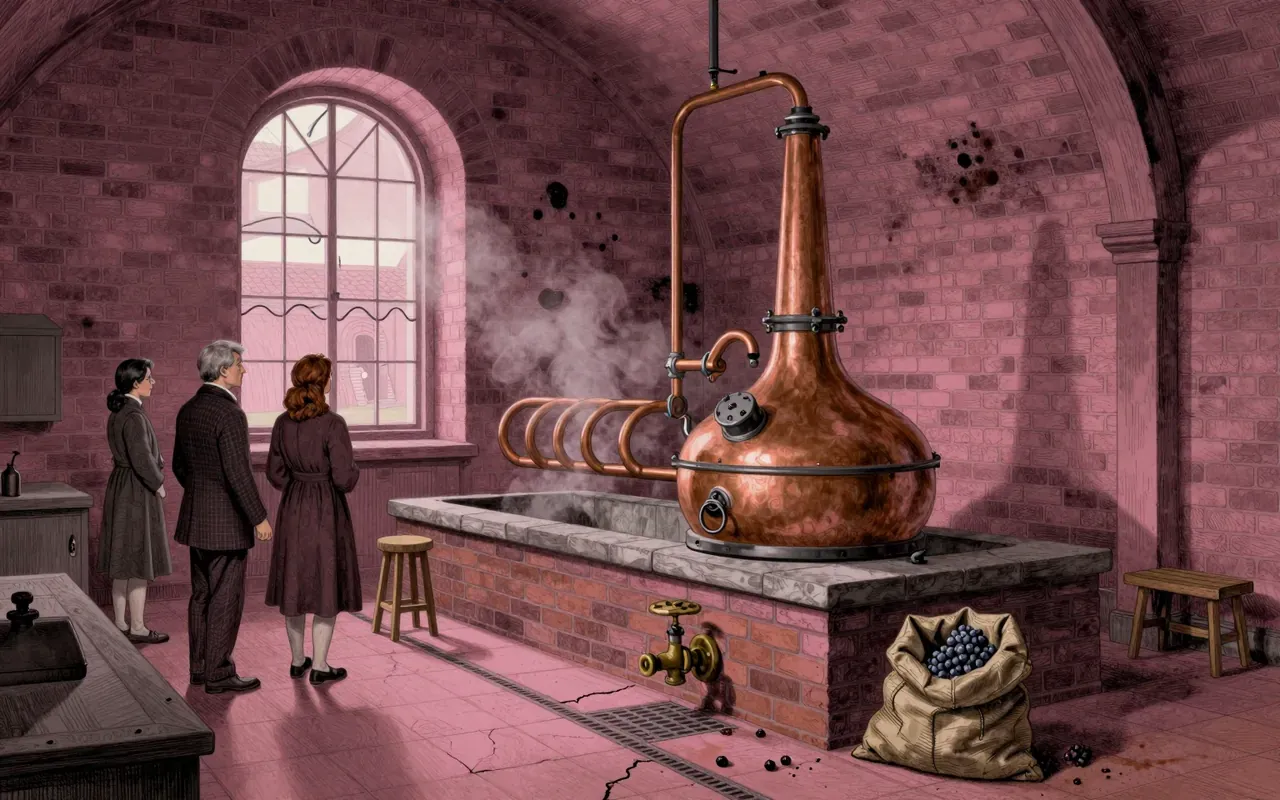
Fusion cuisine is not a dish. It is a category describing the blending of culinary traditions across countries, regions, or cultures — with roots in the 16th century and formal naming only in the late 20th century.
How it works, in terms someone would actually use
Fusion cuisine works by combining ingredients, techniques, and styles from distinct countries, regions, or cultures — not as a recipe but as a structural principle of exchange.
What it gets right
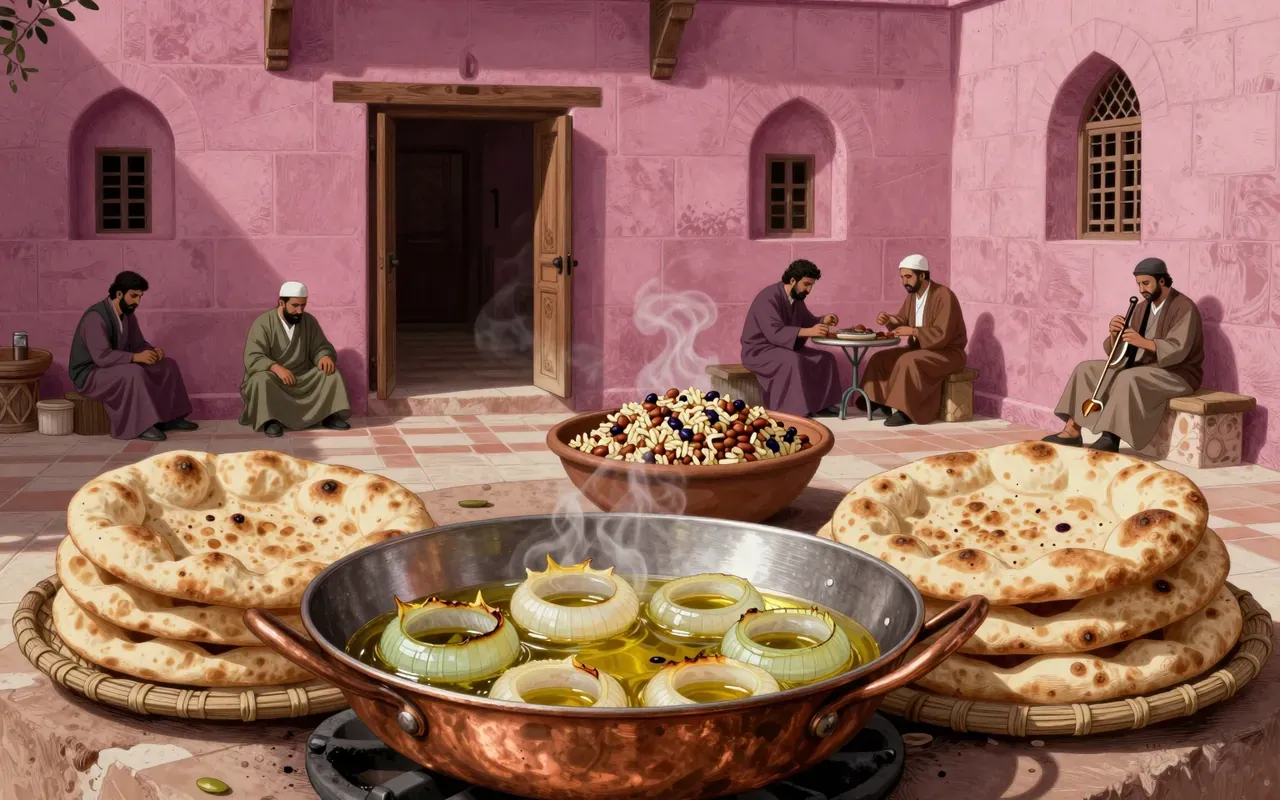
It names what has existed for millennia: cross-cultural cooking as ordinary practice — from Macanese kitchens blending Portuguese, Chinese, African, Indian and Southeast Asian elements to ancient Greek tables absorbing foreign foods.
What it does not
It does not offer a unified technique, flavour profile, or regional grammar. It has no signature method, no required ingredient, no governing temperature or timing.
What it changed
It changed how restaurants frame menu logic: away from singular national authenticity and toward layered, contested origins.
Who it is for, and who it is not
It is for readers interested in food history, colonial trade, immigration, and UNESCO-recognised traditions like Macanese cuisine. It is not for those seeking a replicable recipe, a regional style guide, or a chef’s signature plate.
Is it worth your time
It is worth your time only if you are tracking how food reflects migration, trade, and adaptation — not as a dining trend but as a documented pattern of culinary survival.