foodbriefs
8:50in productionCh. 1 · What floats/ 8:50 · ceiling 15 min
Dishes

Floating island (dessert)

A dessert built on suspension—both physical and culinary—where success hinges entirely on how gently heat meets egg white.

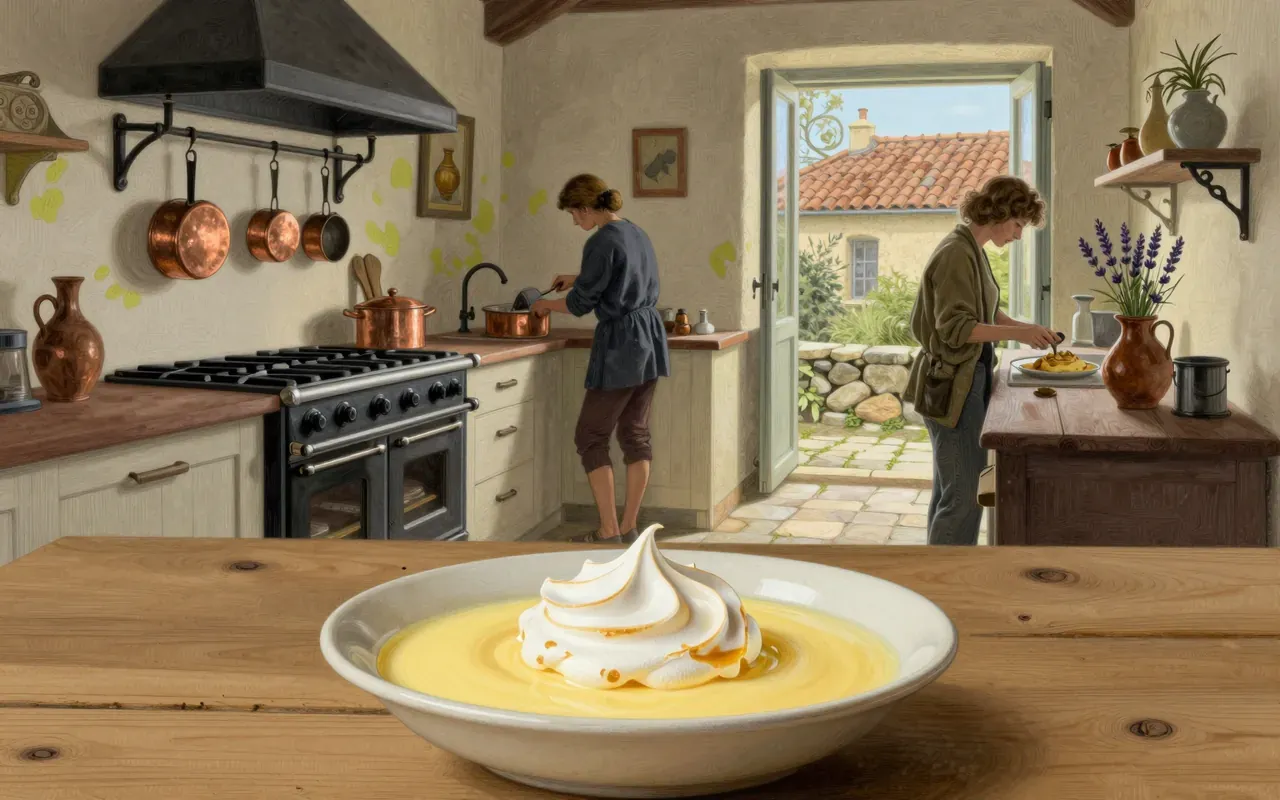
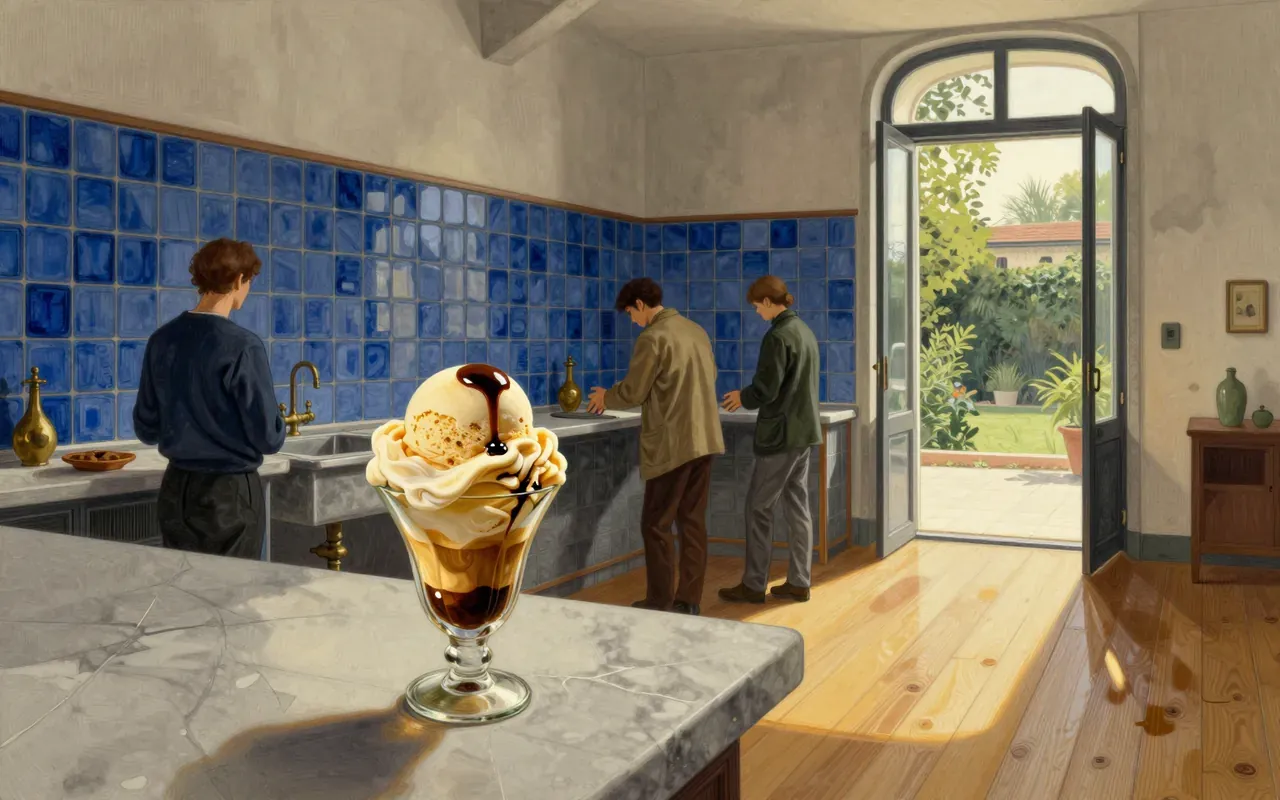
Floating island is a dessert of soft meringue floating on crème anglaise. The meringue is baked in a bain-marie. Its earliest English-language reference is in Hannah Glasse’s 1747 cookbook. By 1938, Larousse Gastronomique noted it was served less often—but called it 'excellent'.

Chapters & takeaways4
  1. 0:46
    What floats

    It is defined by meringue floating—not sitting, not sinking—on crème anglaise.

  2. 1:57
    How heat stays gentle

    Baking the meringue in a bain-marie is non-negotiable: it’s the only way to set the foam without drying it out.

  3. 3:46
    Older than it looks

    Its first English appearance was in 1747—not as novelty, but as established technique.

  4. 5:17
    Excellent, then abandoned

    By 1938, experts called it 'excellent'—but already rare, because it resists compromise.

Worth your time?

Yes. Cook the whole thing.

4/ 5
What works
  • The bain-marie baking locks in tenderness while allowing the meringue to rise and set without browning. The contrast between the cloud-light meringue and the rich, vanilla-scented crème anglaise is absolute and intentional.
What does not
  • It does not hold up to refrigeration. The meringue weeps. It does not scale for casual service. It does not mask flaws: underbaked meringue sinks; overbaked meringue turns rubbery.
Cook it if
  • It is for cooks who value control over texture and understand custard chemistry. It is not for those who need forgiving, make-ahead, or crowd-pleasing desserts.
Skip it if
  • It is not for those who need forgiving, make-ahead, or crowd-pleasing desserts.
The written brief1 min read

What the dish is and where it came from

A French and English dessert of soft meringue floating on crème anglaise. Its earliest English-language reference is in Hannah Glasse’s 1747 cookbook.

How it works, in terms someone would actually use

Soft meringue is baked in a bain-marie until just set, then floated on crème anglaise. The bain-marie prevents the meringue from drying out or collapsing.

What it gets right

The bain-marie baking locks in tenderness while allowing the meringue to rise and set without browning. The contrast between the cloud-light meringue and the rich, vanilla-scented crème anglaise is absolute and intentional.

What it does not

It does not hold up to refrigeration. The meringue weeps. It does not scale for casual service. It does not mask flaws: underbaked meringue sinks; overbaked meringue turns rubbery.

What it changed

It codified the pairing of baked meringue and crème anglaise as a structural and textural principle—not just a garnish, but a buoyant, self-contained element suspended in custard.

Who it is for, and who it is not

It is for cooks who value control over texture and understand custard chemistry. It is not for those who need forgiving, make-ahead, or crowd-pleasing desserts.

Is it worth your time

Yes—if you want a dessert that delivers clean contrast of air and silk, with minimal ingredients and precise technique. It demands attention to heat control and timing, but rewards with clarity.
Same course · Dishes4 of 485
Up next in Food

İskender kebap

1867 · 10:16

A butter-poured ritual built on vertical slicing—not döner, not doner, but something sharper and more theatrical.

10:16