1:14in productionCh. 1 · What the dish is and where it came from/ 1:14 · ceiling 15 min
Dishes · Technique
Pierogi
Pierogi are filled dumplings of unleavened dough, boiled and sometimes pan-fried, with traditional roots in Poland and widespread presence in North America.
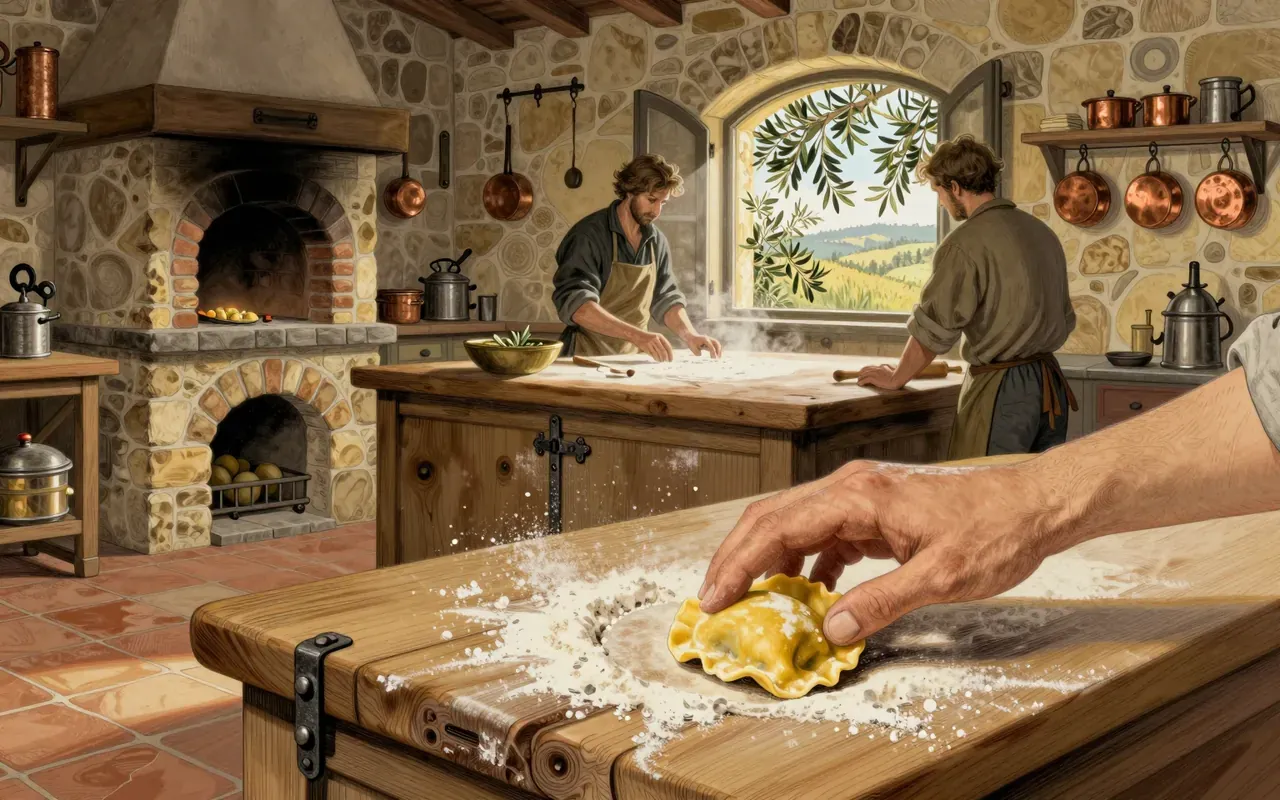
Pierogi are filled dumplings made by wrapping unleavened dough around a filling and cooking in boiling water. They are a traditional Polish dish with considerable culinary significance in Poland. The recipe appears in Poland’s first cookbook, published in 1682.
Pierogi are filled dumplings made by wrapping unleavened dough around a filling and cooking in boiling water.
0:16
How it works, in terms someone would actually use
Dough is made from flour and warm water, sometimes with egg; rolled flat and cut into squares or circles.
0:37
What it gets right
It offers variety: fillings include potato and twaróg cheese, sauerkraut, ground meat, mushrooms, fruits, or berries—supporting both savory and sweet preferences.
0:45
What it does not
The meat or cheese fillings make it less suitable if you seek a strictly plant-based or dairy-free dish.
0:52
What it changed
Pierogi are now popular in modern-day Canadian and American cuisines, extending beyond their Polish origins.
0:58
Who it is for, and who it is not
It is for people who enjoy boiled-and-often-fried dumplings with savory or sweet fillings.
1:09
Is it worth your time
Yes—if you like dumplings with flexible fillings and a soft-boiled, sometimes buttery texture.
Worth your time?
Selectively. Start with the brief, then cook the parts we point at.
What works
It offers variety: fillings include potato and twaróg cheese, sauerkraut, ground meat, mushrooms, fruits, or berries—supporting both savory and sweet preferences.
What does not
The meat or cheese fillings make it less suitable if you seek a strictly plant-based or dairy-free dish.
Cook it if
Skip it if
The written brief1 min read
What the dish is and where it came from
Pierogi are filled dumplings made by wrapping unleavened dough around a filling and cooking in boiling water. They are a traditional Polish dish with considerable culinary significance in Poland. The recipe appears in Poland’s first cookbook, published in 1682.
How it works, in terms someone would actually use
Dough is made from flour and warm water, sometimes with egg; rolled flat and cut into squares or circles. Filling is placed in the center, dough folded over (half-circle, rectangle, or triangle), and seams pressed to seal. Pierogi are simmered until they float, then drained and sometimes fried or baked in butter.
What it gets right
It offers variety: fillings include potato and twaróg cheese, sauerkraut, ground meat, mushrooms, fruits, or berries—supporting both savory and sweet preferences.
What it does not
The meat or cheese fillings make it less suitable if you seek a strictly plant-based or dairy-free dish.
What it changed
Pierogi are now popular in modern-day Canadian and American cuisines, extending beyond their Polish origins.
Who it is for, and who it is not
It is for people who enjoy boiled-and-often-fried dumplings with savory or sweet fillings. It is not for those avoiding wheat, dairy, or meat—depending on the filling chosen.
Is it worth your time
Yes—if you like dumplings with flexible fillings and a soft-boiled, sometimes buttery texture.