foodbriefs
1:11in productionCh. 1 · What the dish is and where it came from/ 1:11 · ceiling 15 min
Street food · Dishes

Jianbing

A folded Chinese street crepe made from wheat-and-grain batter, eggs, and sauces, cooked on a flat hotplate.

Jianbing is a traditional Chinese street food similar to crêpes. It originated in northern China, where wheat- and broomcorn-based flatbreads are common staples. Its history traces to Shandong province during the Three Kingdoms period (AD 220–280).

Chapters & takeaways7
  1. 0:00
    What the dish is and where it came from

    Jianbing is a traditional Chinese street food similar to crêpes.

  2. 0:14
    How it works, in terms someone would actually use

    A batter of wheat and grain flour is spread on a large frying pan or specialized flat hotplate.

  3. 0:28
    What it gets right

    It gets right a portable, fast breakfast format using simple, staple ingredients.

  4. 0:39
    What it does not

    The egg-and-flour preparation is a poor fit if you want a meal built mainly around vegetables.

  5. 0:45
    What it changed

    Legend credits Chancellor Zhuge Liang with an early version: soldiers’ cooks spread wheat-flour batter on shields over flame after losing woks.

  6. 0:53
    Who it is for, and who it is not

    It suits someone looking for a street-food crêpe with eggs and sauces.

  7. 1:01
    Is it worth your time

    It is worth your time if you want a widely enjoyed, portable Chinese street crepe with wheat-based batter, eggs, and sauces—especially as a breakfast option.
Worth your time?

Selectively. Start with the brief, then cook the parts we point at.

What works
  • It gets right a portable, fast breakfast format using simple, staple ingredients. Its popularity as one of China’s most popular street breakfasts reflects its practicality and broad appeal.
What does not
  • The egg-and-flour preparation is a poor fit if you want a meal built mainly around vegetables.
Cook it if
    Skip it if
      The written brief1 min read

      What the dish is and where it came from

      Jianbing is a traditional Chinese street food similar to crêpes. It originated in northern China, where wheat- and broomcorn-based flatbreads are common staples. Its history traces to Shandong province during the Three Kingdoms period (AD 220–280).

      How it works, in terms someone would actually use

      A batter of wheat and grain flour is spread on a large frying pan or specialized flat hotplate. Eggs and sauces are added. The crepe is cooked quickly and often folded several times before serving.

      What it gets right

      It gets right a portable, fast breakfast format using simple, staple ingredients. Its popularity as one of China’s most popular street breakfasts reflects its practicality and broad appeal.

      What it does not

      The egg-and-flour preparation is a poor fit if you want a meal built mainly around vegetables.

      What it changed

      Legend credits Chancellor Zhuge Liang with an early version: soldiers’ cooks spread wheat-flour batter on shields over flame after losing woks.

      Who it is for, and who it is not

      It suits someone looking for a street-food crêpe with eggs and sauces. Those seeking a vegetable-centered dish may prefer another option.

      Is it worth your time

      It is worth your time if you want a widely enjoyed, portable Chinese street crepe with wheat-based batter, eggs, and sauces—especially as a breakfast option.
      Same course · Street food4 of 49
      9:07
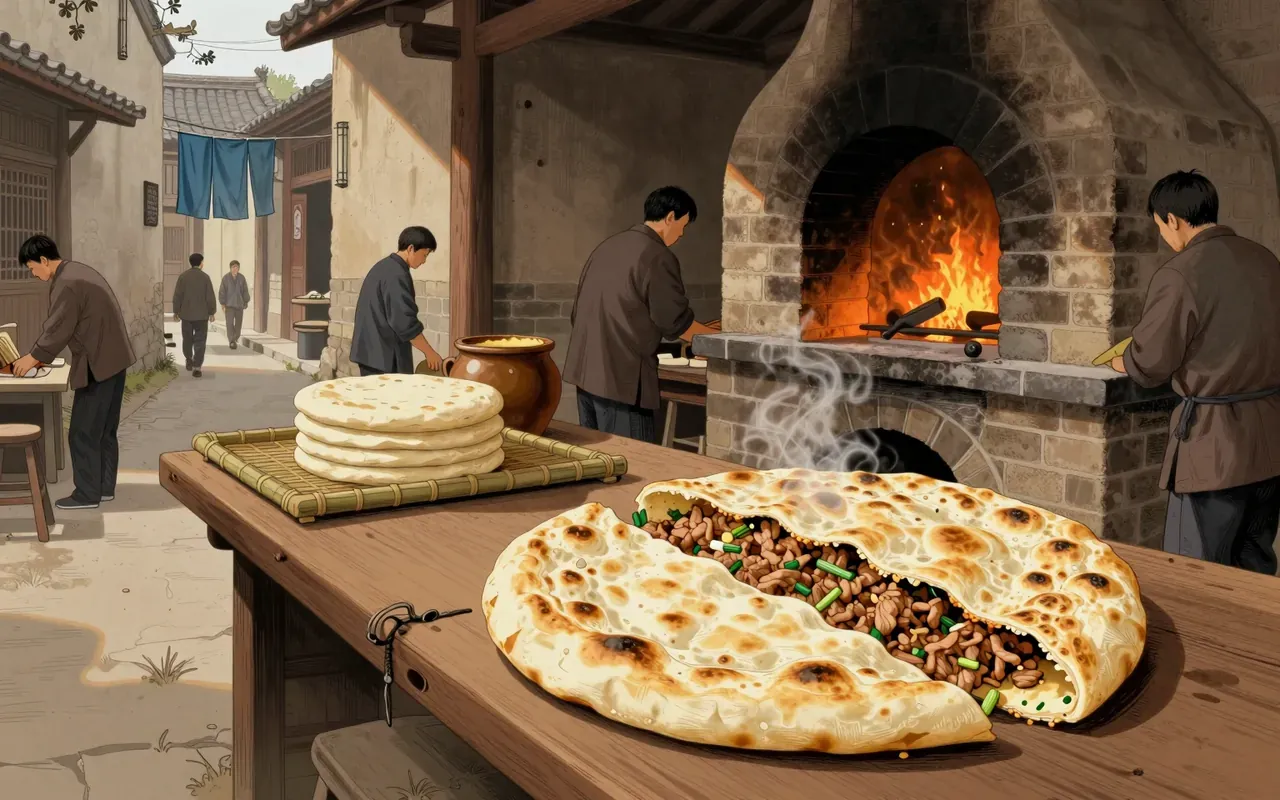
      RoujiamoRoujiamo is a Shaanxi street food: stewed meat—pork, beef or lamb—minced and stuffed into baijimo, a yeast-leavened wheat flatbread baked in a clay oven. Its bread dates to the Qin dynasty (221–206 BC); its meat technique to the Zhou dynasty (1045–256 BC). It works through contrast: chewy, blistered bread against yielding, spiced meat. It gets the texture interplay right. It does not accommodate freshness, lightness or condiment-led brightness. It changed how ancient grains and slow-cooked meats could travel—by hand, not plate. It is for eaters who value depth over delicacy. It is worth your time if you seek a savoury, structural, historically anchored street bite.
      0:52
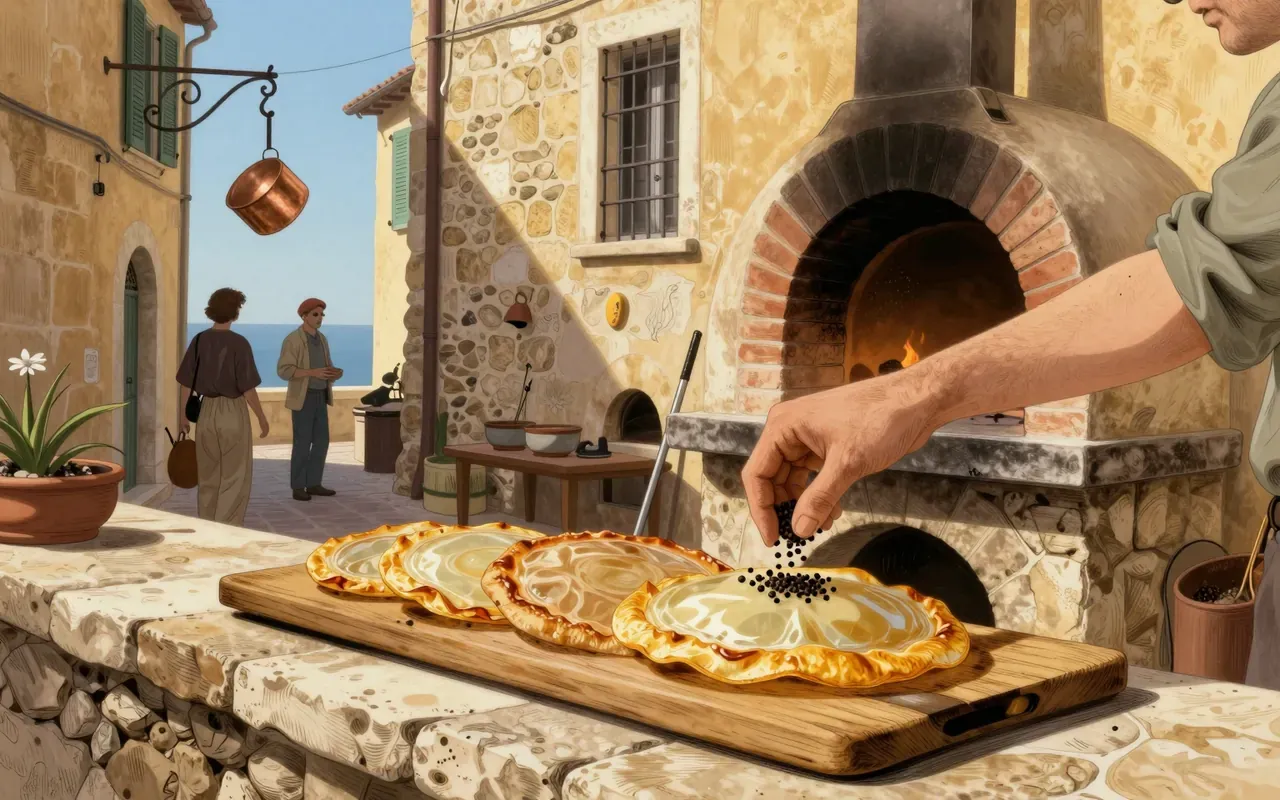
      Socca (food)Socca is a thin, unleavened pancake or crêpe made from chickpea flour, water, olive oil, and salt. It originates from the Provence region of southeastern France and the Ligurian coast of northwestern Italy.
      9:36
      Doubles (food)Doubles is a Trinidadian street food of Indo-Trinidadian origin, created in Princes Town in 1936 by Emamool 'Mamoodeen' Deen and his wife Raheeman Rasulan Deen. It consists of curried chickpeas served on two fried flatbreads called bara. The name 'doubles' came from customers asking to double the bara. It is culturally significant as a symbol of Trinidadian identity, especially among the diaspora, and is credited with defining and maintaining symbolic boundaries of identification in Trinidad's diverse society. Doubles is a comfort food for displaced Trinidadians in major cities across the globe.
      10:17
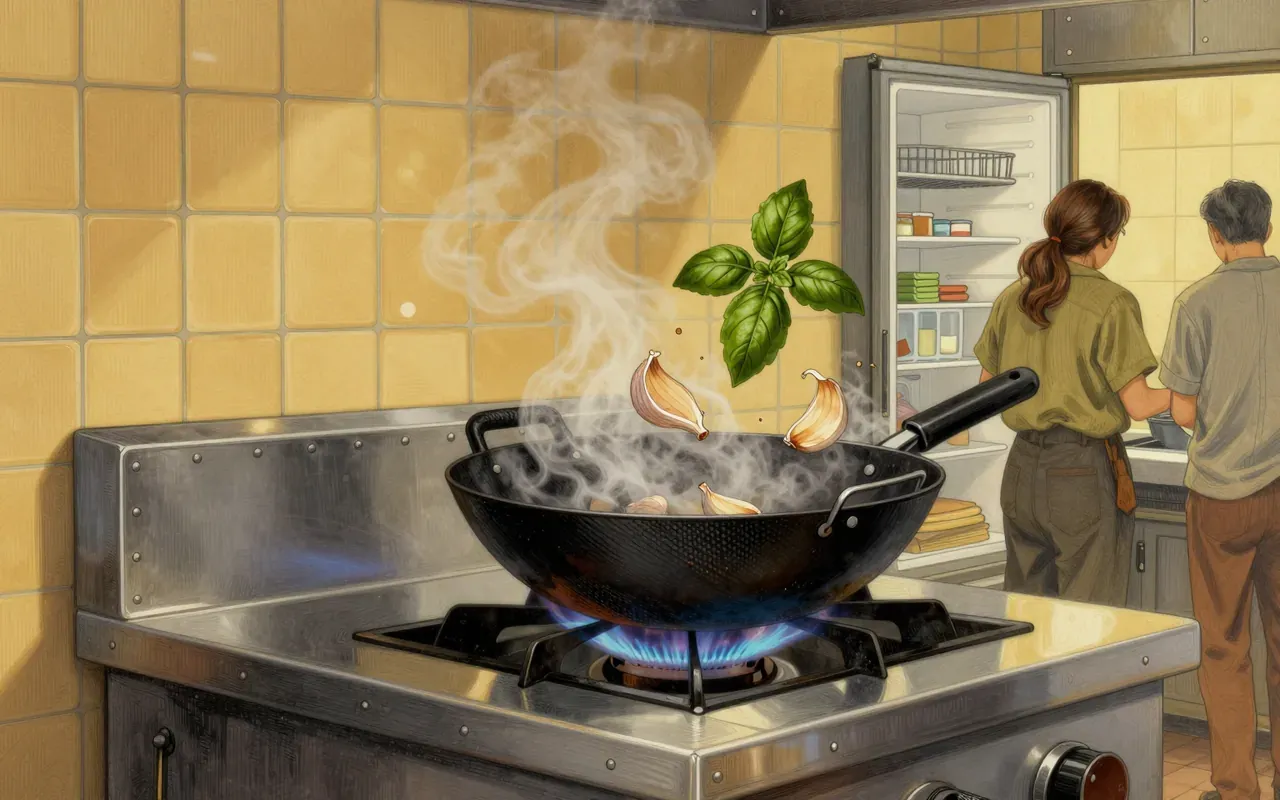
      Phat kaphraoPhat kaphrao is a Thai stir-fry of meat, holy basil, and garlic. It began in the 1925–1935 period, made by Chinese immigrants. It became nationally popular only after 1957. Its method is defined by timing: garlic first, meat second, holy basil last. Cookbook versions from the late 1970s used liquor-marinated minced meat and only fish sauce and palm sugar. Some vendors add vegetables to reduce meat costs. It evolved from xiāngcài chǎo niúròu — swapping coriander for holy basil.
      Up next in Food

      Jiaozi

      · 10:41

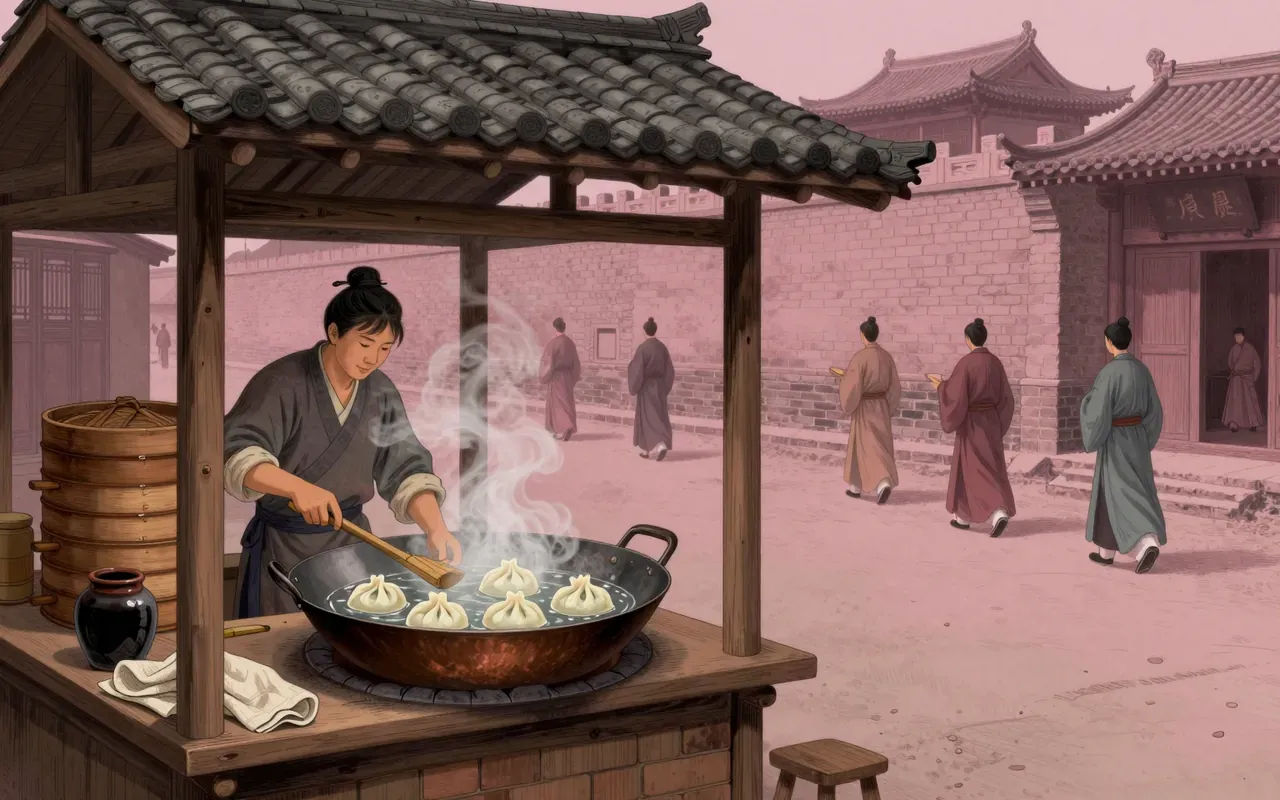
      Jiaozi aren’t ancient medicine—they’re ancient paperwork, preserved in tombs and texts long before anyone claimed they cured frostbite.

      10:41