foodbriefs
0:58in productionCh. 1 · What the dish is and where it came from/ 0:58 · ceiling 15 min
Dishes · Technique

Kulfi

A dense, slow-melting frozen dairy dessert from 16th-century Delhi, traditionally flavored with cardamom, mango, saffron, almond, or pistachio.

Kulfi is a frozen dairy-based dessert that originated in 16th-century Delhi during the Mughal era.

Chapters & takeaways7
  1. 0:00
    What the dish is and where it came from

    Kulfi is a frozen dairy-based dessert that originated in 16th-century Delhi during the Mughal era.

  2. 0:06
    How it works, in terms someone would actually use

    The mixture is poured into moulds—often kulhars—and sealed.

  3. 0:16
    What it gets right

    It is denser and creamier than regular ice cream, melts more slowly, and has a distinctive taste from caramelised sugar and browned milk proteins.

  4. 0:26
    What it does not

    Because it is not churned while freezing, it lacks the airy texture of ice cream—a trade-off for density and slow melt.

  5. 0:34
    What it changed

    It appears in traditional flavors including almond, cardamom, mango, pistachio, and saffron.

  6. 0:39
    Who it is for, and who it is not

    It is for people who prefer dense, slow-melting frozen desserts with pronounced dairy and spice or fruit notes.

  7. 0:51
    Is it worth your time

    If you enjoy rich, slow-melting dairy desserts with traditional South Asian flavorings, it is worth your time.

Worth your time?

Selectively. Start with the brief, then cook the parts we point at.

What works
  • It is denser and creamier than regular ice cream, melts more slowly, and has a distinctive taste from caramelised sugar and browned milk proteins.
What does not
  • Because it is not churned while freezing, it lacks the airy texture of ice cream—a trade-off for density and slow melt.
Cook it if
    Skip it if
      The written brief1 min read

      What the dish is and where it came from

      Kulfi is a frozen dairy-based dessert that originated in 16th-century Delhi during the Mughal era.

      How it works, in terms someone would actually use

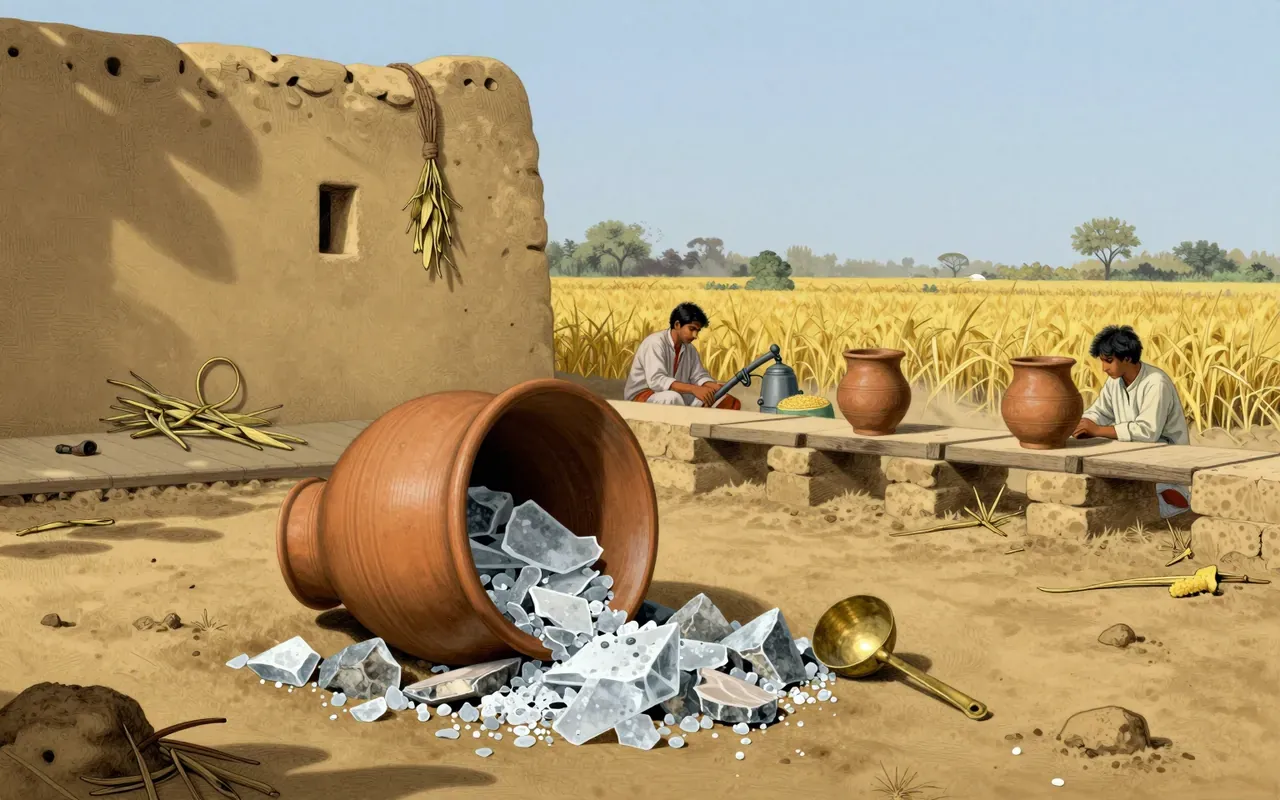
      The mixture is poured into moulds—often kulhars—and sealed. The sealed moulds are submerged in an insulated matka filled with ice and salt to freeze quickly.

      What it gets right

      It is denser and creamier than regular ice cream, melts more slowly, and has a distinctive taste from caramelised sugar and browned milk proteins.

      What it does not

      Because it is not churned while freezing, it lacks the airy texture of ice cream—a trade-off for density and slow melt.

      What it changed

      It appears in traditional flavors including almond, cardamom, mango, pistachio, and saffron.

      Who it is for, and who it is not

      It is for people who prefer dense, slow-melting frozen desserts with pronounced dairy and spice or fruit notes. It is not for those seeking light, airy, or rapidly melting frozen treats.

      Is it worth your time

      If you enjoy rich, slow-melting dairy desserts with traditional South Asian flavorings, it is worth your time.
      Same course · Dishes4 of 327
      Up next in Food

      Kushikatsu

      · 1:08

      Deep-fried skewered ingredients—meat, seafood, or vegetables—served with shared dipping sauce in Osaka’s Shinsekai district.

      1:08