foodbriefs
9:46in productionCh. 1 · How it’s made/ 9:46 · ceiling 15 min
Culture · Dishes

Kung Pao chicken

1900

A dish named after a Qing official was renamed under Mao—and now serves as a cipher for what China exports versus what it erases.

Kung Pao chicken is not a timeless recipe. It is a Qing-era tribute dish reshaped by 20th-century politics, regional adaptation, and global export. Its method is precise. Its history is contested. Its name is a vessel—not for flavour alone, but for authority, erasure, and reinvention.

Chapters & takeaways6
  1. 0:59
    How it’s made

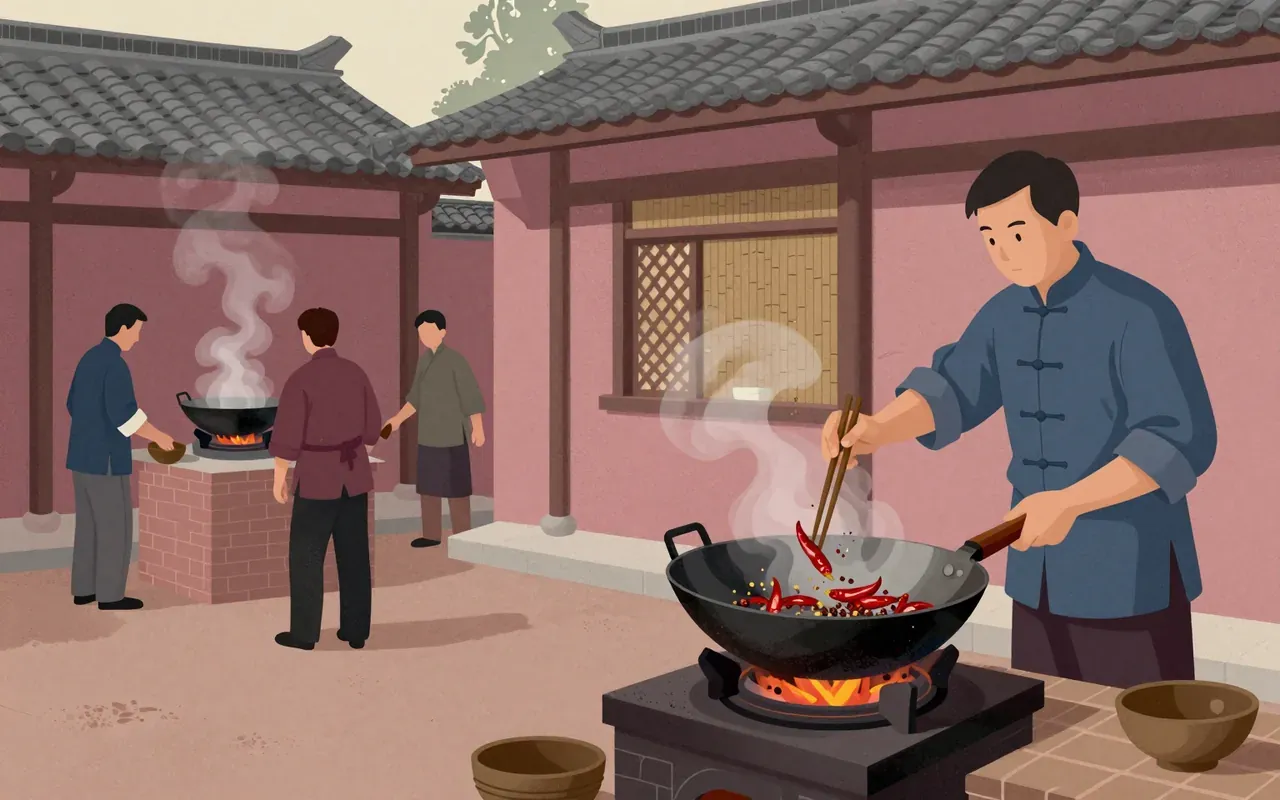
    It is defined by technique—not just ingredients—but by a sequence: marinade, flash-fry, stir-fry.

  2. 2:04
    Who it’s named for

    It honours Ding Baozhen—but only in name; his title ‘Gong Bao’ was ceremonial, not culinary.

  3. 3:11
    Where it changes

    Spiciness varies by region—Sichuan uses facing heaven pepper; Guizhou and the West dilute it.

  4. 4:18
    What gets lost in translation

    Its spread across China created versions less spicy than the original—proof that popularity demands compromise.

  5. 5:19
    The date is a fiction

    Ding Baozhen died in 1886—so the dish could not have existed in its named form in 1900 as a fixed entity.

  6. 6:30
    What it pushed aside

    It displaced local preparations not by superiority—but by state-backed standardisation and later, export.

Worth your time?

Yes. Cook the whole thing.

4/ 5
What works
  • as a case study in culinary naming
  • as evidence of regional-to-national standardisation
  • as a marker of political renaming in everyday life
What does not
  • groundbreaking
  • iconic
  • timeless
  • seminal
Cook it if
  • chefs
  • food historians
  • students of modern Chinese politics
Skip it if
  • casual diners seeking nostalgia
  • those who treat recipes as neutral
The written brief1 min read

What the thing is

Kung Pao chicken is a stir-fried dish of marinated chicken cubes, peanuts, vegetables, chili peppers, and Sichuan peppercorns.

Where it came from

It originated in Sichuan cuisine during the Qing dynasty, named after Ding Baozhen (1820–1886), governor of Sichuan Province.

What it gets right

It anchors heat and texture in precise technique: flash-frying chilies and Sichuan peppercorns in seasoned wok oil; marinating chicken in Shaoxing wine; using facing heaven or seven stars peppers for authentic Sichuan heat.

What it gets wrong

It misrepresents itself as stable. The dish was politically renamed during the Cultural Revolution. Its ‘classic’ form is a retrospective fiction.

Why it matters now

It reveals how regional dishes become national symbols—and how those symbols are rewritten under political pressure. Its Western version displaces its Sichuan origin.

Is it worth your time

Yes—if you care how food names encode power, politics and regional identity. It is not a dish to consume uncritically.
Same course · Culture4 of 156
10:18
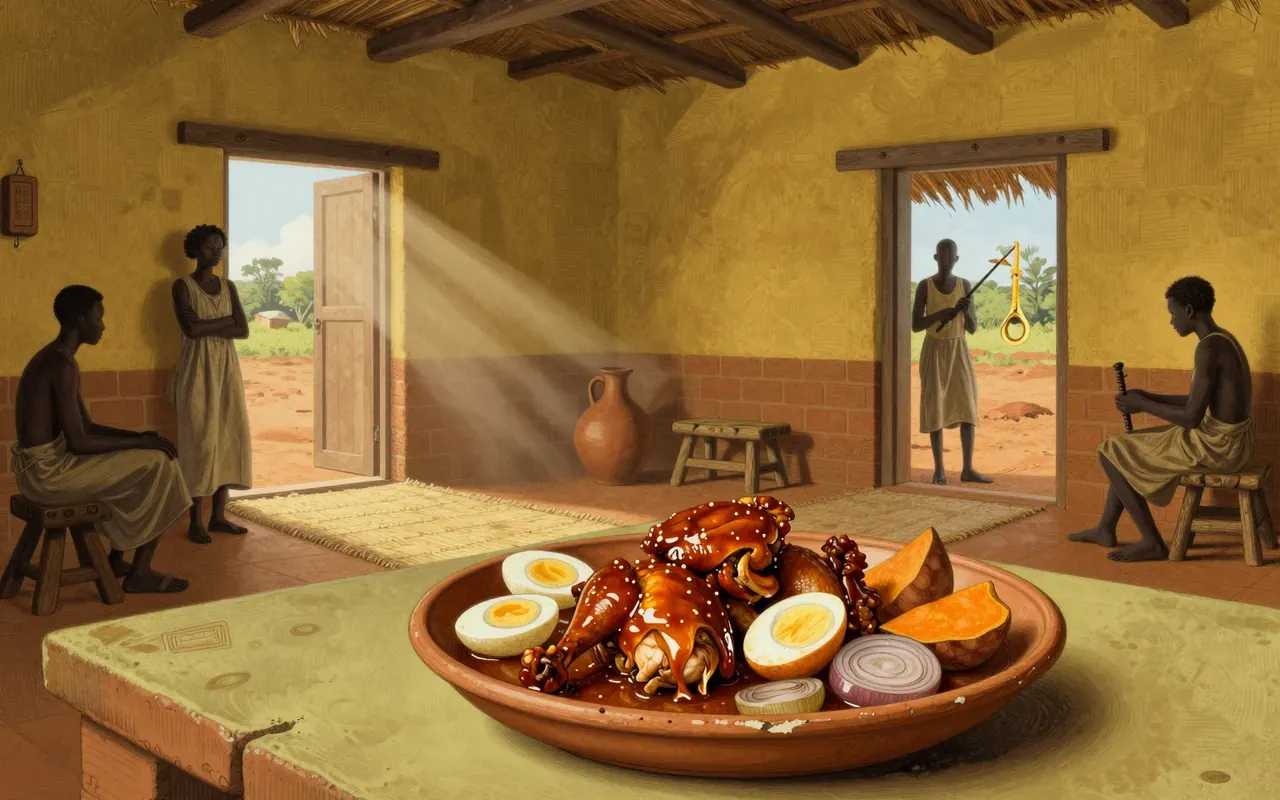
Moambe chickenMoambe chicken is a Central African stew made by cooking chicken in palm butter and spinach, seasoned with peri-peri or red pepper. It is considered the national dish of Angola, the Republic of the Congo and the Democratic Republic of the Congo. It is served with sweet potatoes, brown onions, hard-boiled eggs, palm nut sauce, rice or manioc paste. A peanut butter version called muamba nsusu exists in the Republic of the Congo.
8:43
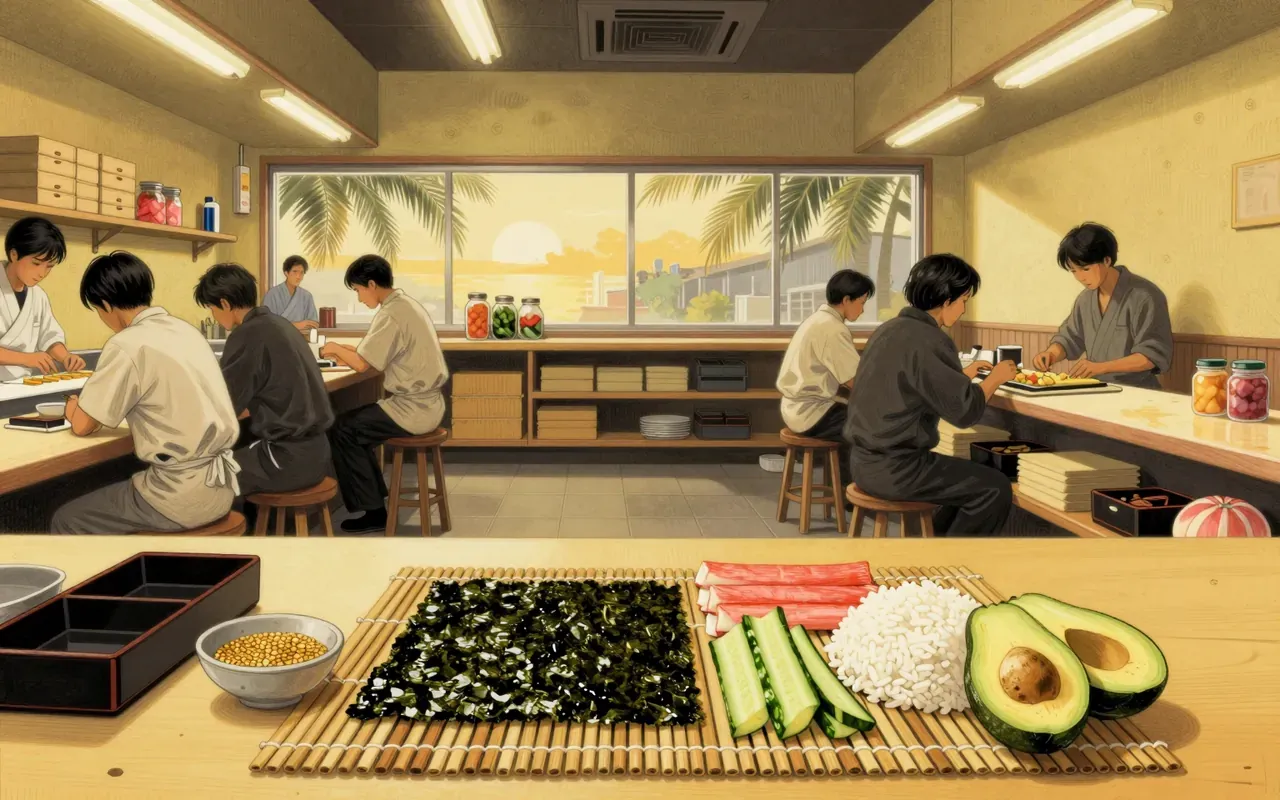
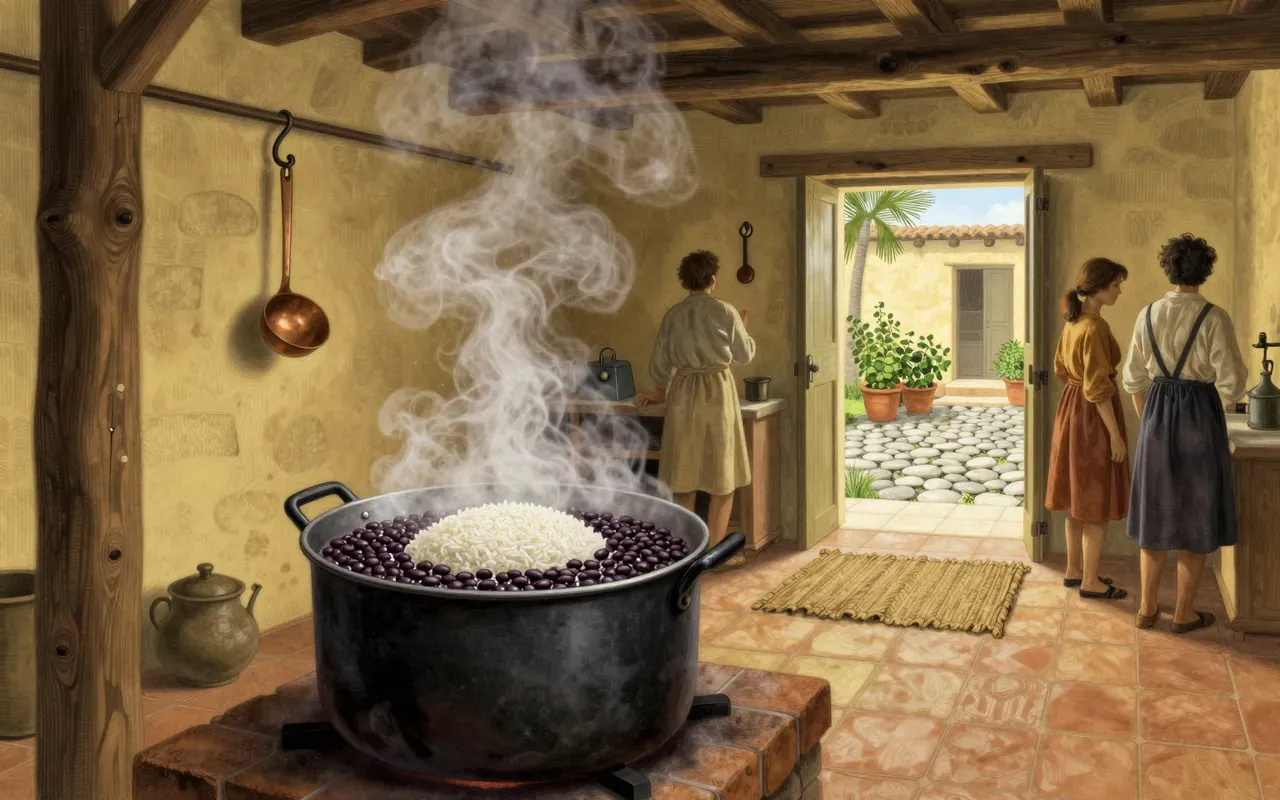
Moros y Cristianos (dish)Moros y Cristianos is a Cuban one-pot dish of black beans and white rice. Its name encodes a direct colour-to-ingredient mapping. It differs from arroz con frijoles by unified cooking—not presentation. Congrí is its red-bean cousin, rooted in eastern Cuba.
9:47
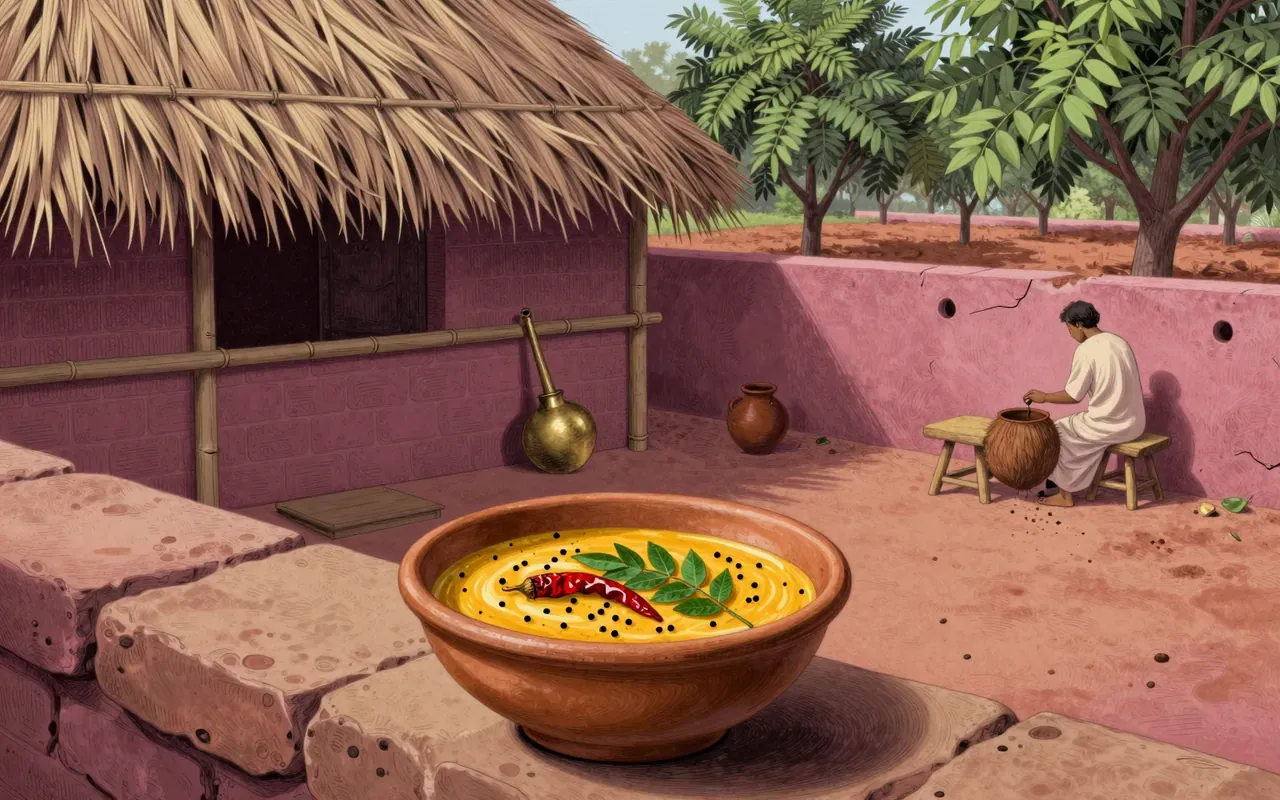
CurryCurry is a colonial construct—not a dish, but a British-imposed category that flattened India’s named, regional preparations into a single, exportable idea. Its method relies on frying spices in fat to build flavour; its history begins with medieval Indian broths seasoned with black pepper, then pivots decisively with the arrival of chilies, tomatoes, and potatoes. It gets right the centrality of spiced, saucy cooking—but fails as a descriptor, because Indians never called their food ‘curry’. It changed how the world talks about food: turning rogan josh into ‘a curry’, sambar into ‘a curry’, and vindaloo into ‘a curry’. It is for readers who want to question labels, not follow recipes. Worth your time only if you treat it as a case study in cultural translation—not a cooking guide.
9:23
Fusion cuisineFusion cuisine is a culinary tradition defined by the blending of ingredients, techniques, and styles from distinct countries, regions, or cultures. It is not a dish, not a trend, and not a chef’s invention. It is the material record of migration, trade, and adaptation — from Macanese tacho to budae-jjigae, from Greek symposia to Tex-Mex fajitas. Its strength is its honesty about how food actually moves. Its weakness is when it’s sold as novelty instead of necessity.
Up next in Food

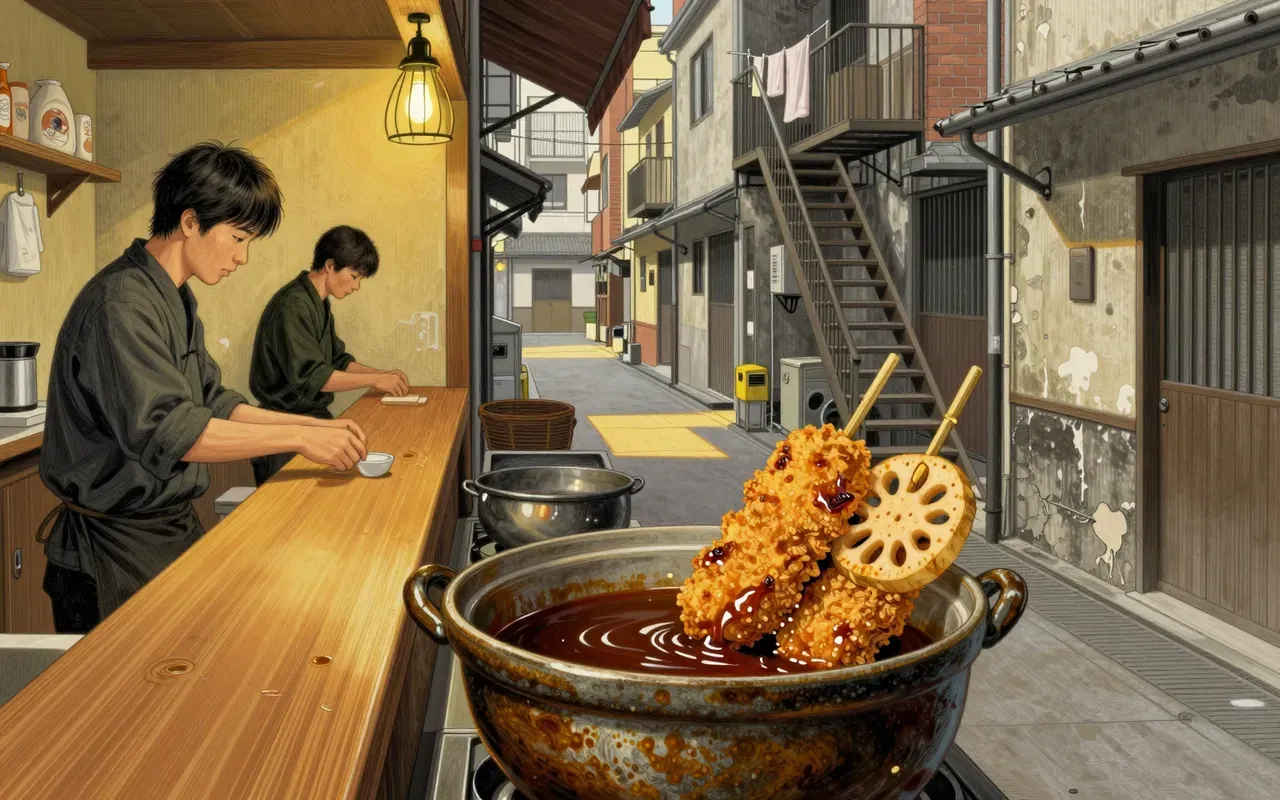
Kushikatsu

· 1:08

Deep-fried skewered ingredients—meat, seafood, or vegetables—served with shared dipping sauce in Osaka’s Shinsekai district.

1:08