9:00in productionCh. 1 · Two Distillations, One Law/ 9:00 · ceiling 15 min
Drinks · Traditions
Rakı
Rakı isn’t about flavour — it’s about a single, guaranteed chemical reaction in your glass.
Rakı is a Turkish anise-flavoured spirit defined by law: twice-distilled grape pomace, redistilled with aniseed in copper stills ≤5,000 L, minimum 40% ABV, ≥65% of alcohol from suma, made only from Turkish grapes and Turkish anise since 2009, and louching milky-white when water is added.
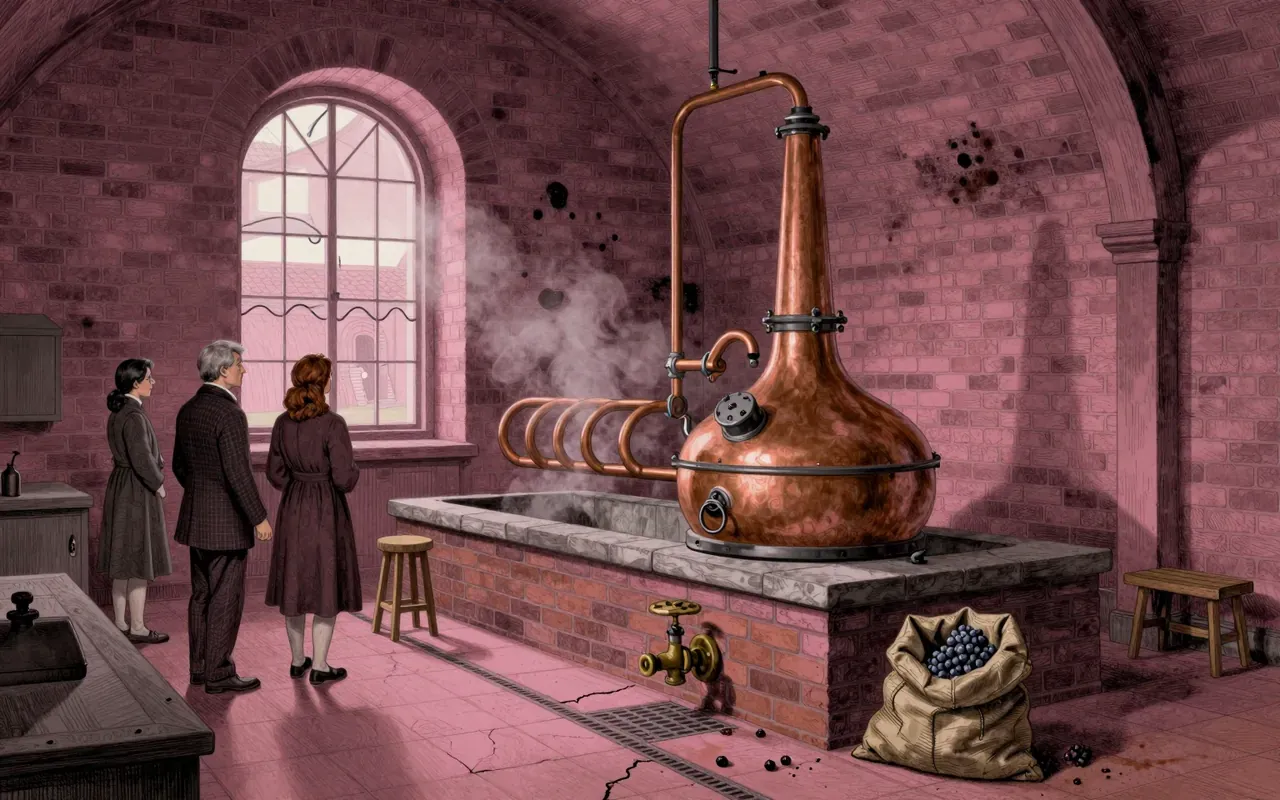
Rakı is legally defined by two distillations: first from grape pomace into suma, then again with aniseed in small copper stills.
2:29
Geographical Indication, Not Just Geography
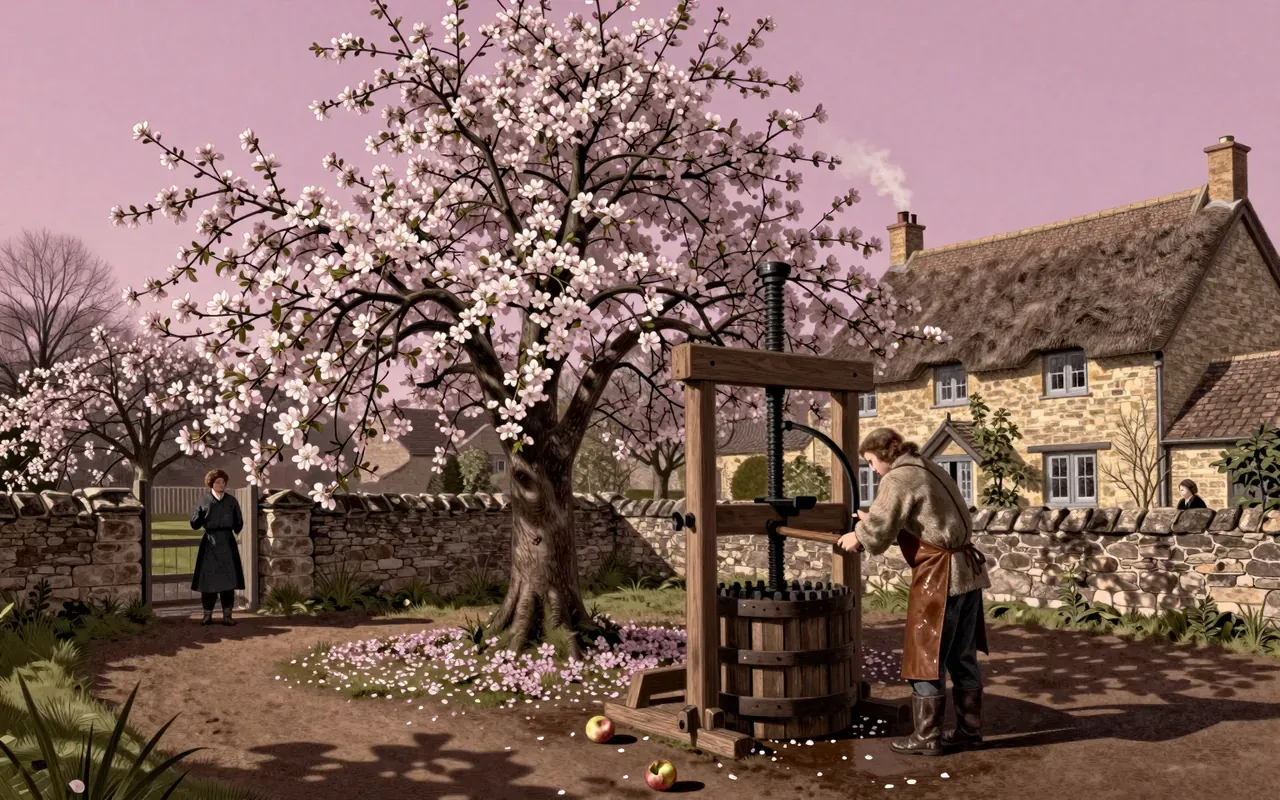
Since 2009, rakı must be at least 40% ABV and made only from Turkish grapes and Turkish anise.
3:51
Water First, Then Fire
Suma is diluted before redistillation — that step controls strength and ensures the final spirit hits ~79–80% ABV before dilution.
5:40
The Louche Is the Point
Adding water doesn’t just lower strength — it triggers a visible phase change, turning rakı milky-white.
Worth your time?
Yes. Cook the whole thing.
4/ 5
What works
commits fully to one sensory transformation
delivers a reliable, immediate louche
enforces strict origin and method through law
What does not
taste of grape pomace
offer oak or barrel influence
vary regionally outside Turkey
Cook it if
drinkers who value procedural rigour over aromatic complexity
those who want a guaranteed visual and textural reaction in the glass
Skip it if
those seeking fruit, terroir, or subtlety
drinkers who dislike anise
The written brief1 min read
What the dish is and where it came from
Rakı is a Turkish anise-flavoured spirit made by twice-distilling grape pomace and redistilling the suma with aniseed in copper stills no larger than 5,000 L.
How it works, in terms someone would actually use
Rakı is served chilled, neat or diluted with cold water — the water triggers a milky louche as anise oils emulsify. It is sipped slowly alongside meze, not drunk straight.
What it gets right
It commits fully to one sensory transformation: water turns clear liquid into opaque milk. That reaction is reliable, immediate, and central to its use.
What it does not
It does not taste of grape pomace. The double distillation strips fruit character; only anise and alcohol remain.
What it changed
Since 2009, rakı’s geographical indication redefined it as inseparable from Turkish grapes and Turkish anise — not just a style, but a legally bounded origin.
Who it is for, and who it is not
It is for drinkers who value procedural rigour over aromatic complexity — not for those seeking fruit, oak, or subtlety.
Is it worth your time
Yes — if you want a spirit whose character is defined by legal precision, regional constraint, and a single decisive reaction to water.