8:05in productionCh. 1 · The Map Is the Bottle/ 8:05 · ceiling 15 min
Drinks · Food history
Tequila
Tequila isn’t a drink—it’s a land-use policy with alcohol content.
Tequila is a tightly governed agricultural product disguised as a cocktail ingredient. Its rules protect place and process—but also lock out alternatives, obscure ecological cost, and presume uniformity in a living plant.
Tequila is defined by law, not taste: only five Mexican states may produce it.
2:20
The Quiote Rule
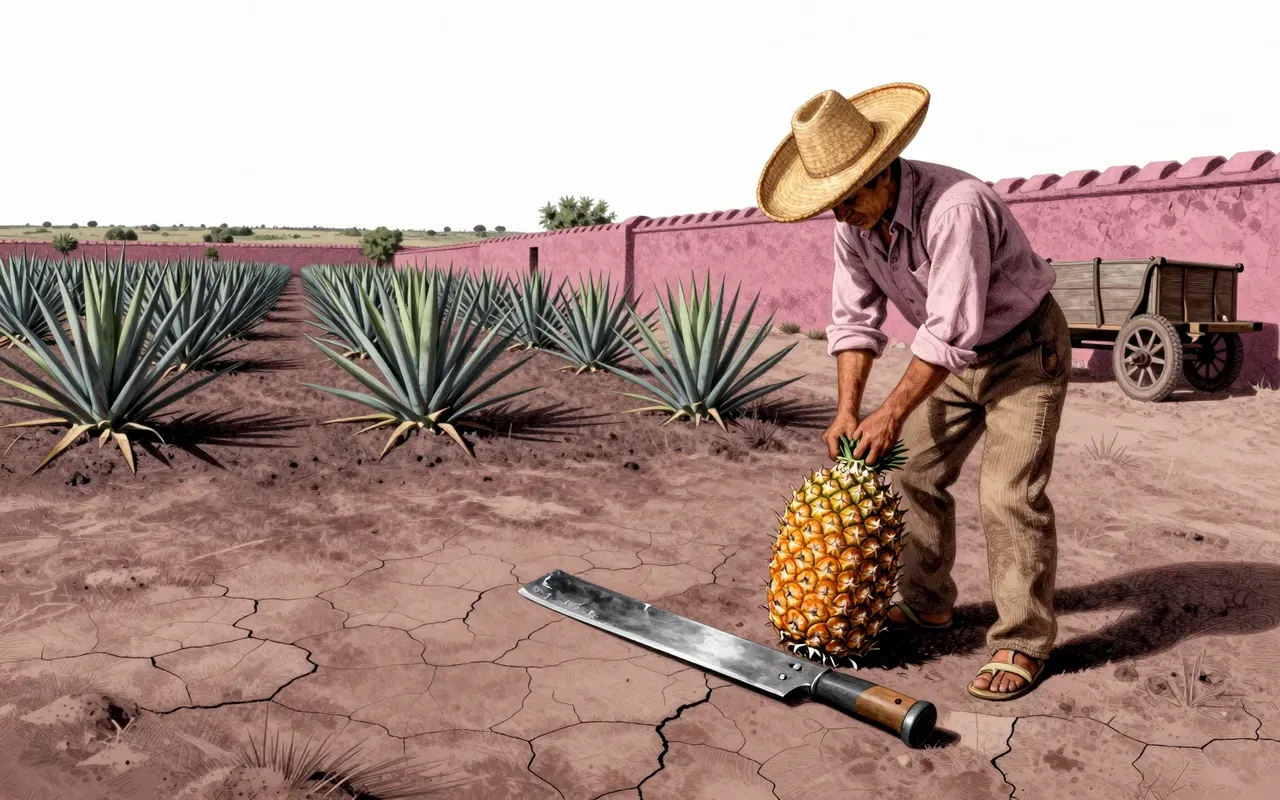
Over 300 million blue agave plants are harvested yearly—and every one is manually managed to delay flowering.
3:22
From Piña to Wort
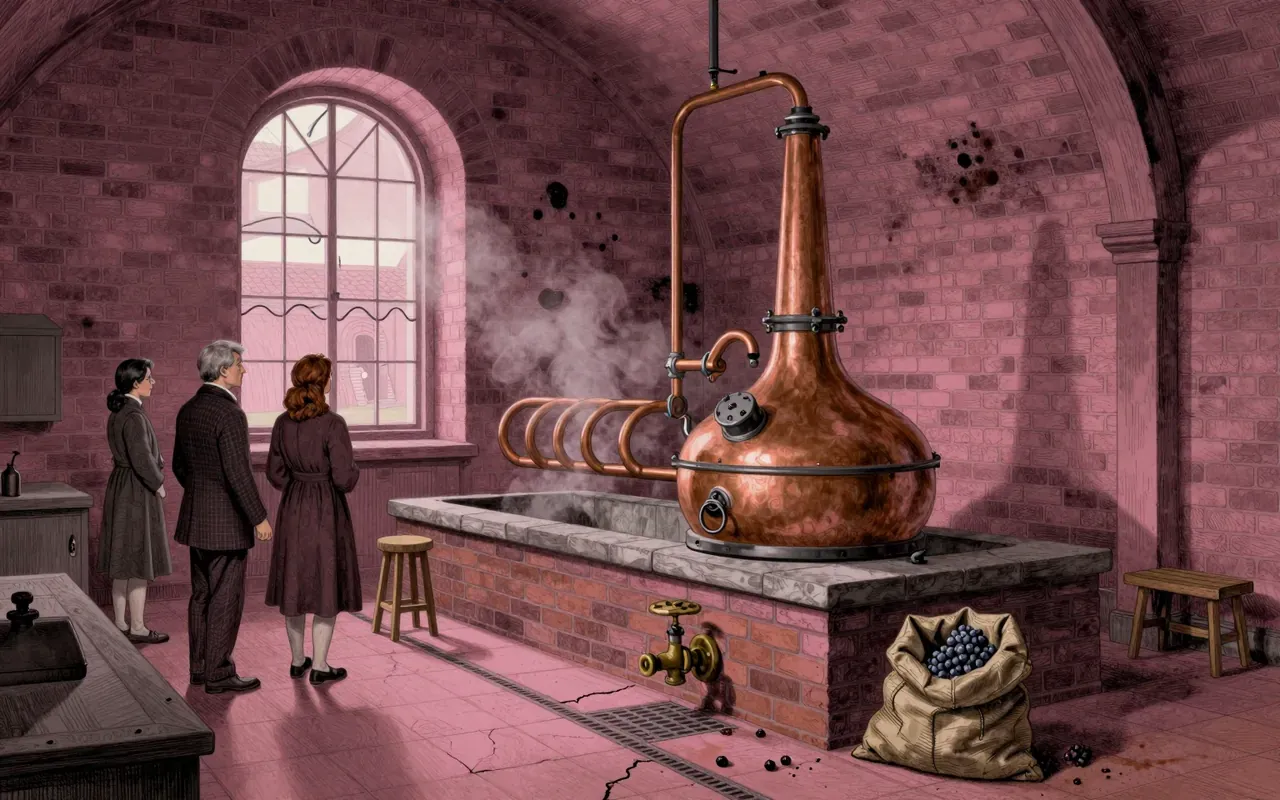
Piñas are baked to convert fructans to fructose, then fermented into low-alcohol wort—no shortcuts allowed.
4:33
The Proof Boundary
Every bottle must contain 35–55% alcohol—and nothing less, nothing more.
Worth your time?
Yes. Cook the whole thing.
4/ 5
What works
geographical-indication
plant-biology
regulatory-clarity
What does not
culture/arts
culture/literature
culture/photography
culture/movements-and-scenes
Cook it if
drinkers
policy-watchers
farmers
Skip it if
casual-bar-goers
mixologists-only
The written brief1 min read
What the thing is
Tequila is a legally defined spirit. It is distilled from blue agave juice. It must be made in Jalisco and limited municipalities in Guanajuato, Michoacán, Nayarit and Tamaulipas.
Where it came from
It originated in the area surrounding the town of Tequila and the Jaliscan Highlands of Jalisco, Mexico. Its distinction from regional mezcal emerged in the mid-1700s.
What it gets right
It enforces terroir through strict geography. It honours plant biology by mandating quiote trimming. It standardises quality with double distillation and alcohol limits.
What it gets wrong
It excludes other agave spirits made with identical methods outside the designated zones. It treats ‘blue agave’ as singular, though genetic diversity within the species is unregulated.
Why it matters now
It is a working model of geographical indication—legally binding origin to identity—tested daily by global demand, climate stress on agave, and rising scrutiny of monoculture agriculture.
Is it worth your time
Yes—if you care how place, labour and law shape what we drink.