What the thing is
Whisky is a distilled spirit made from fermented grain mash—barley, corn, rye, or wheat—then aged in wooden barrels, usually charred white oak.
Where it came from
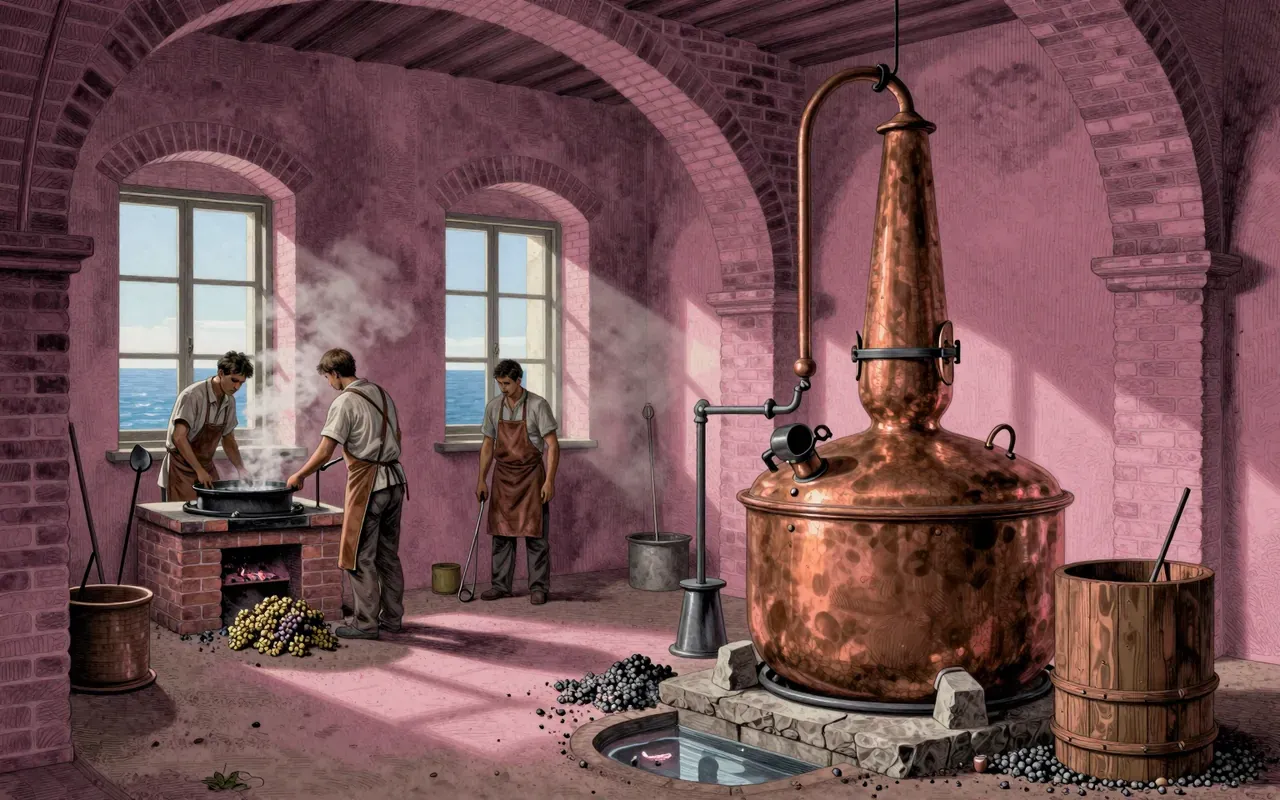
Distillation reached Ireland by the 12th century and Scotland by the 15th. The earliest Irish reference is 1405; the first Scottish production record is 1495.
What it gets right
It honours grain, fire, and wood. Fermentation, distillation, and barrel aging are non-negotiable. That triad defines it—and separates it from every other spirit.
What it gets wrong
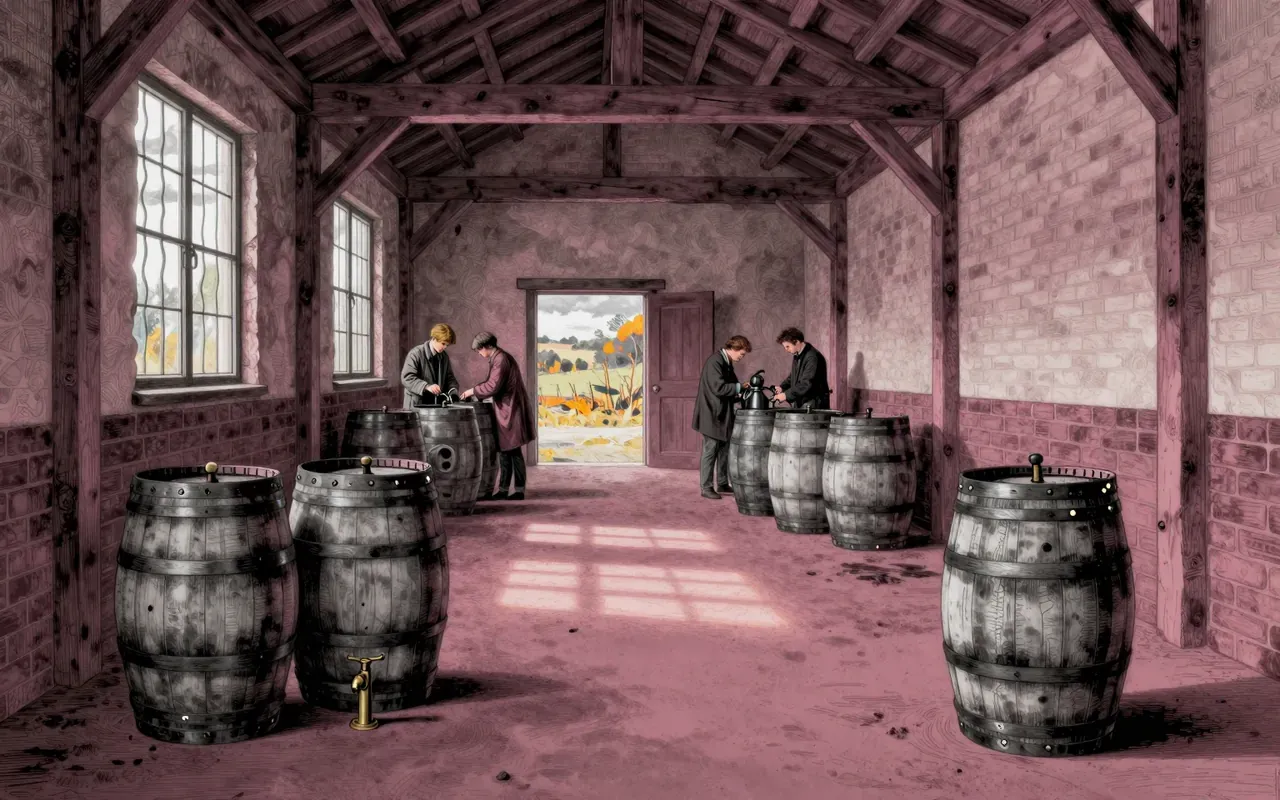
It pretends age is inherent. Early whisky was unaged, sharp, and medicinal. The charred oak cask is not ancient tradition—it’s a later refinement, not a founding principle.
Why it matters now
It reveals how industrial standardisation coexists with artisanal myth-making—every bottle negotiates between medicinal origin and luxury commodity.
Is it worth your time
Yes—if you care how a simple distillation process became a global ritual of craft, commerce, and contradiction.