1:29in productionCh. 1 · What the dish is and where it came from/ 1:29 · ceiling 15 min
Drinks · Technique
Soju
A clear, colorless Korean distilled spirit, traditionally rice-based, with alcohol content ranging from 12.5% to 53% ABV.
Soju is a clear, colorless distilled alcoholic beverage from Korea. Its origin dates to 13th-century Goryeo. Traditionally made from rice, it is also produced from other grains. Most traditional brands originate in Andong, South Korea.
Soju is a clear, colorless distilled alcoholic beverage from Korea.
0:14
How it works, in terms someone would actually use
Soju is made by distilling alcohol from fermented rice wine.
0:30
What it gets right
Soju offers flexibility in strength: ABV ranges from 12.5% to 53%.
0:43
What it does not
Rice-based distillation was prohibited in 1965, shifting production to diluted soju from other fermented substances.
0:57
What it changed
The 1965 government prohibition on rice distillation altered soju’s base ingredients and strength, leading to diluted versions made from other fermented substances.
1:06
Who it is for, and who it is not
Soju suits drinkers seeking a neutral, vodka-like spirit at varied strengths—from light (under 17% ABV) to robust (up to 53% ABV).
1:20
Is it worth your time
Yes—it is widely available, culturally central in Korea, and adaptable to different drinking preferences via its broad ABV range and neutral taste.
Worth your time?
Selectively. Start with the brief, then cook the parts we point at.
What works
Soju offers flexibility in strength: ABV ranges from 12.5% to 53%. Low-alcohol versions (below 20%) dominate since 2007. Traditional Andong soju retains higher strength at ~45% ABV, appealing to those preferring bolder profiles.
What does not
Rice-based distillation was prohibited in 1965, shifting production to diluted soju from other fermented substances. Alcohol content has trended downward—30% in 1965, 23% by 1998, and now widely under 17%—reducing intensity for some drinkers.
Cook it if
Skip it if
The written brief1 min read
What the dish is and where it came from
Soju is a clear, colorless distilled alcoholic beverage from Korea. Its origin dates to 13th-century Goryeo. Traditionally made from rice, it is also produced from other grains. Most traditional brands originate in Andong, South Korea.
How it works, in terms someone would actually use
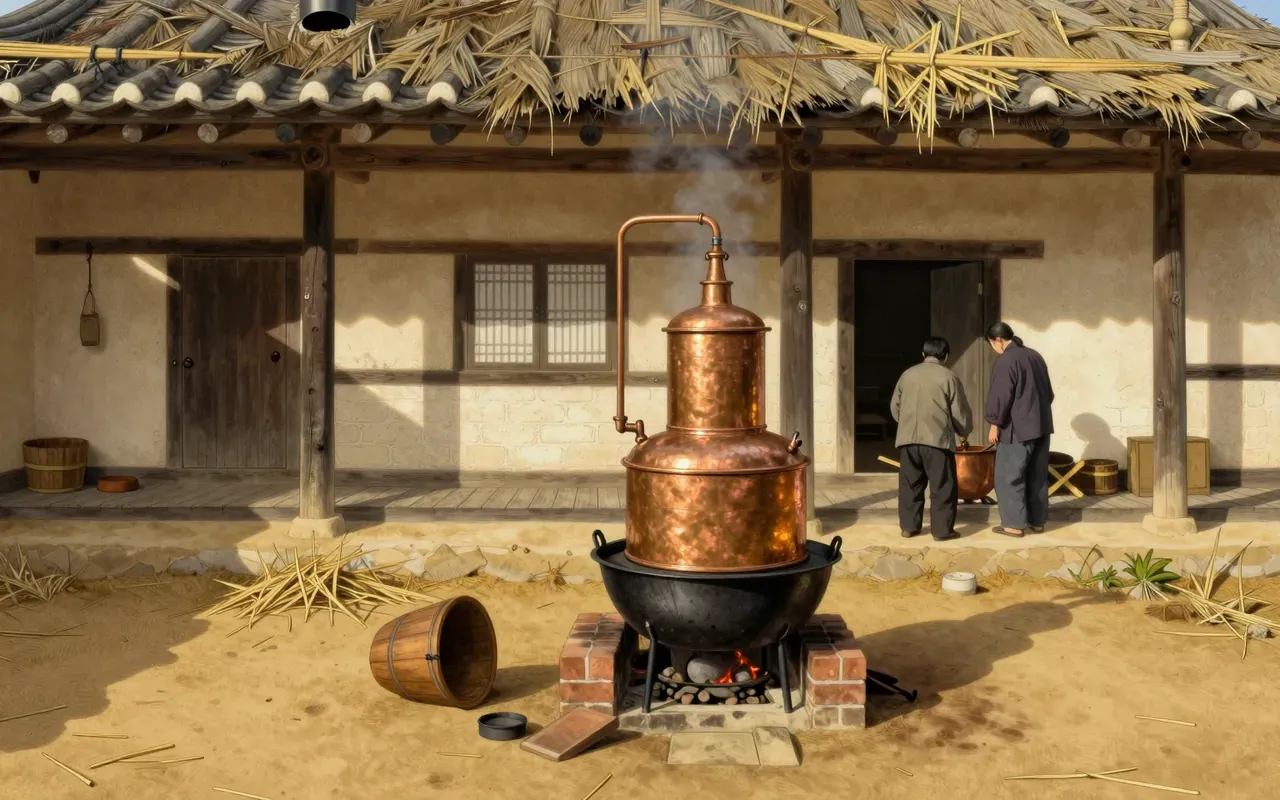
Soju is made by distilling alcohol from fermented rice wine. The rice wine ferments for about 15 days. Distillation involves boiling the filtered, mature wine in a sot (cauldron) topped with a soju gori—a two-story distilling appliance with a pipe.
What it gets right
Soju offers flexibility in strength: ABV ranges from 12.5% to 53%. Low-alcohol versions (below 20%) dominate since 2007. Traditional Andong soju retains higher strength at ~45% ABV, appealing to those preferring bolder profiles.
What it does not
Rice-based distillation was prohibited in 1965, shifting production to diluted soju from other fermented substances. Alcohol content has trended downward—30% in 1965, 23% by 1998, and now widely under 17%—reducing intensity for some drinkers.
What it changed
The 1965 government prohibition on rice distillation altered soju’s base ingredients and strength, leading to diluted versions made from other fermented substances.
Who it is for, and who it is not
Soju suits drinkers seeking a neutral, vodka-like spirit at varied strengths—from light (under 17% ABV) to robust (up to 53% ABV). It is not for those avoiding distilled spirits or preferring non-neutral flavor profiles.
Is it worth your time
Yes—it is widely available, culturally central in Korea, and adaptable to different drinking preferences via its broad ABV range and neutral taste.