8:56in productionCh. 1 · Juniper Is Non-Negotiable/ 8:56 · ceiling 15 min
Culture · Drinks
Gin
Gin isn’t about taste—it’s about who gets to define what counts as medicine, vice, or national identity.
Gin is a juniper-defined spirit whose history exposes how law, trade policy, and public health collide. It matters now because its definitions are still enforced—and still ignored.
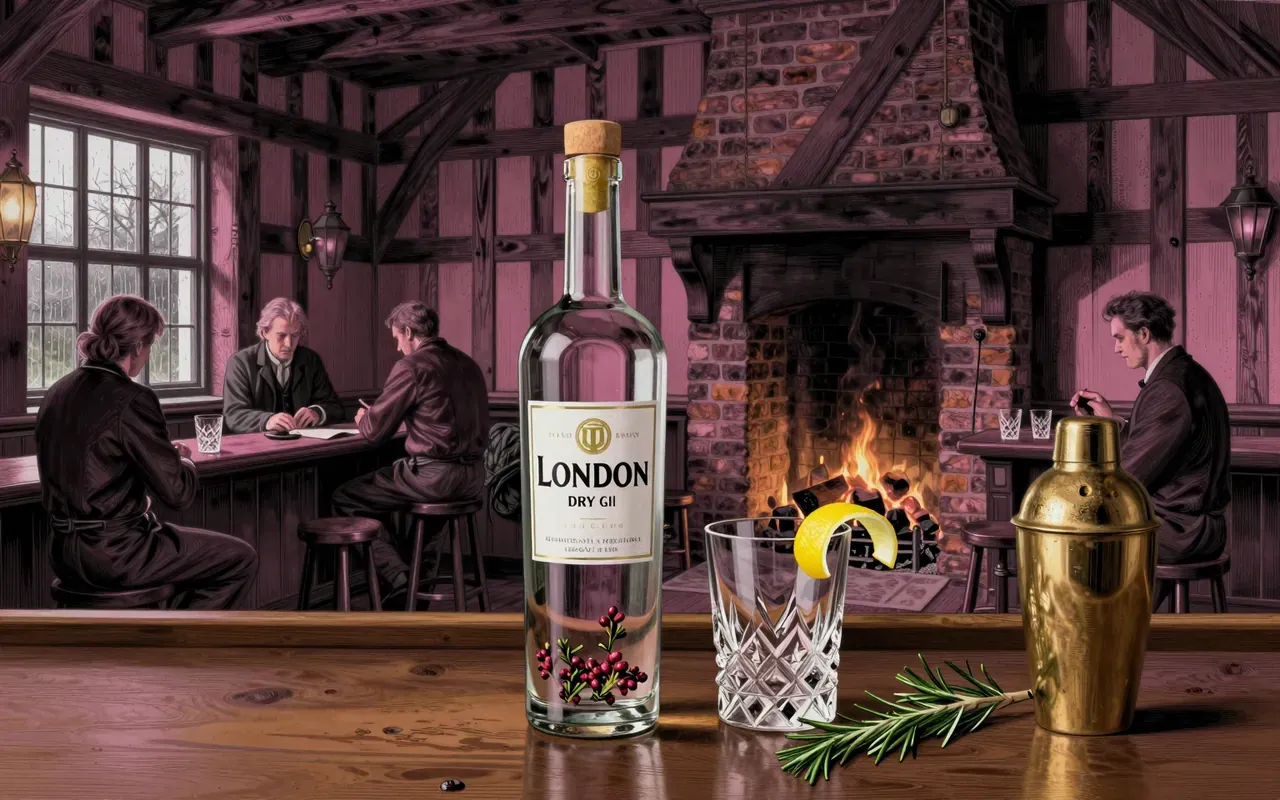
Gin is legally defined by juniper—not by fruit, florals, or marketing.
2:25
From Apothecary to Aqua Vita
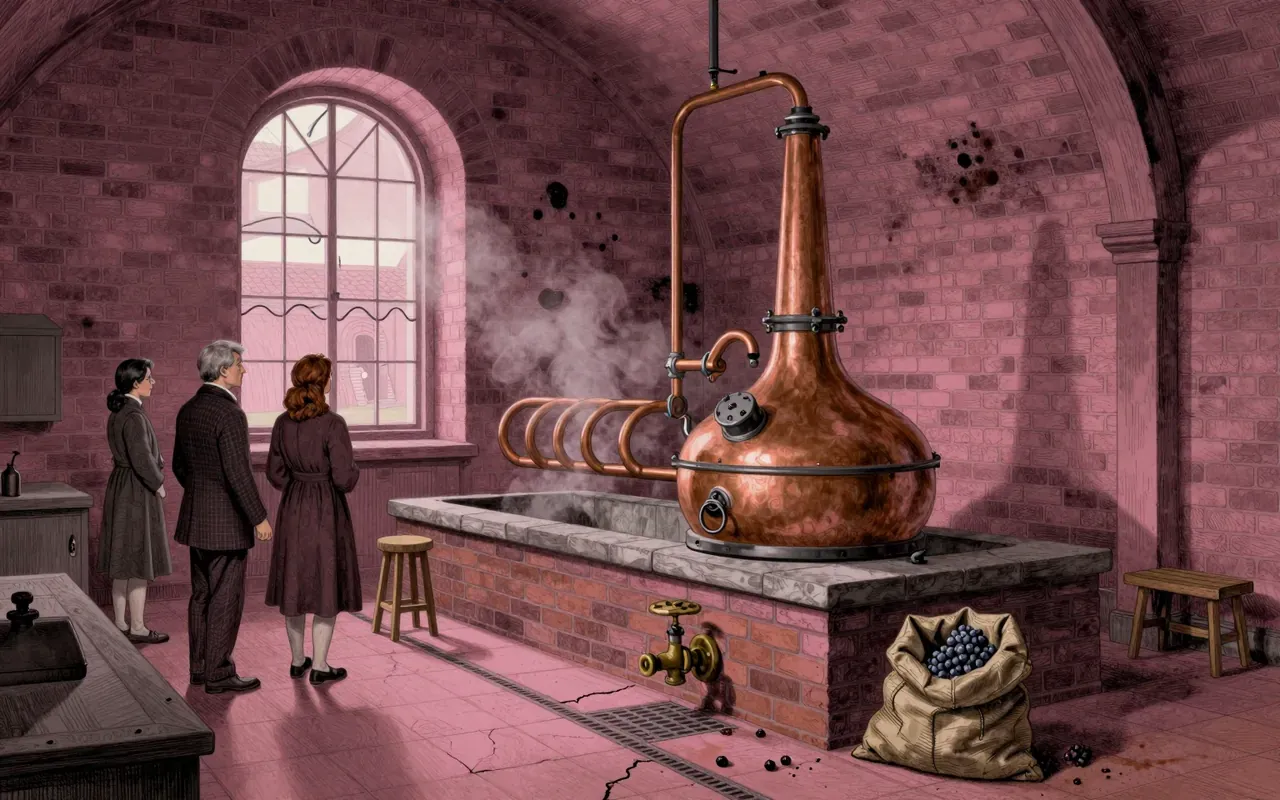
It began as monastic medicine in Salerno, then became Dutch commerce—long before England claimed it.
3:34
The Glorious Revolution Made Gin
It became England’s national drink not by accident, but because politics made it cheaper and more available than brandy.
4:54
Botanicals Are Subordinate, Not Equal
Its botanical range is vast—but juniper must lead, or it fails the legal test.
Worth your time?
Yes. Cook the whole thing.
3.5/ 5
What works
Gin Craze
London gin
aqua vita
What does not
iconic
groundbreaking
timeless
seminal
Cook it if
historians of regulation
policy makers
bartenders
Skip it if
casual drinkers seeking flavour notes
The written brief1 min read
What the thing is
Gin is a distilled alcoholic drink flavoured primarily with juniper berries and other botanicals.
Where it came from
It originated as a medicinal liquor made by monks and alchemists in Salerno, Italy, in the 12th century. It was modified in Flanders and the Netherlands using distillates of grapes and grains to produce aqua vita for commerce. It entered England via jenever and surged after the 1688 Glorious Revolution and French brandy import restrictions.
What it gets right
It delivers juniper’s sharp, resinous clarity as a base for botanical complexity. Its production methods allow precise control over aroma and texture. Its legal definitions create real boundaries between styles.
What it gets wrong
It pretends juniper is merely ‘first among equals’—but without dominant juniper character, it ceases to be gin by any legal definition cited. Many modern brands obscure this with fruit-forward labelling and marketing.
Why it matters now
Because its legal definitions—juniper-flavoured spirit drink, gin, distilled gin, London gin—are still contested in courts and bars. Because the Gin Craze remains the clearest historical precedent for state intervention in mass alcohol consumption—and because nothing has replaced that precedent.
Is it worth your time
Yes—if you want to understand how a medicinal liquor became a national intoxicant, then a regulated commodity, then a craft obsession. It rewards attention only when treated as a case study in regulation, taste, and class.