foodbriefs
1:09in productionCh. 1 · What the dish is and where it came from/ 1:09 · ceiling 15 min
Technique

Méchoui

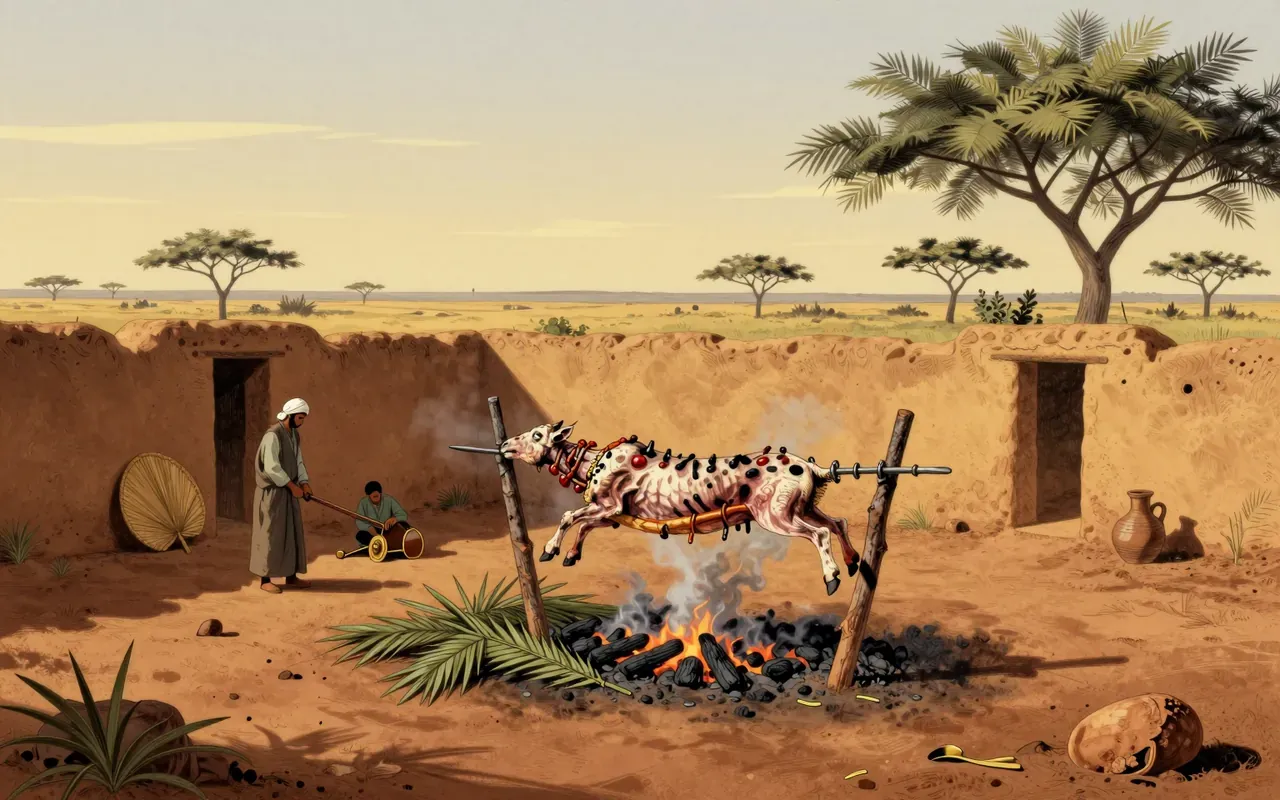
A whole lamb or sheep spit-roasted over embers in Maghrebi cuisine, seasoned with ras el hanout and cooked with kidneys left in.

Méchoui is a whole sheep or lamb spit-roasted on a barbecue in Maghrebi cuisine. In Algeria and Morocco, the term refers specifically to cooking a lamb or sheep whole on the spit.

Chapters & takeaways7
  1. 0:00
    What the dish is and where it came from

    Méchoui is a whole sheep or lamb spit-roasted on a barbecue in Maghrebi cuisine.

  2. 0:13
    How it works, in terms someone would actually use

    The lamb or sheep is spit-roasted and turned beside embers.

  3. 0:23
    What it gets right

    It gets right the use of ras el hanout inside the cavity, contributing layered spicing.

  4. 0:32
    What it does not

    It does not apply uniformly across the Maghreb: in Tunisia, méchoui refers to any piece of meat or fish grilled with embers—not necessarily whole or spit-roasted.

  5. 0:42
    What it changed

    The whole-animal format distinguishes this Maghrebi preparation from dishes built around individual cuts of meat.

  6. 0:48
    Who it is for, and who it is not

    It is for people seeking whole-animal, embers-cooked lamb with aromatic spice and kidney inclusion.

  7. 0:59
    Is it worth your time

    It is worth your time if you want a traditional Maghrebi whole-lamb preparation as described—spiced internally, cooked beside embers on a branch, with slow rotation.
Worth your time?

Selectively. Start with the brief, then cook the parts we point at.

What works
  • It gets right the use of ras el hanout inside the cavity, contributing layered spicing. Keeping the kidneys in adds distinct organ-meat character.
What does not
  • It does not apply uniformly across the Maghreb: in Tunisia, méchoui refers to any piece of meat or fish grilled with embers—not necessarily whole or spit-roasted.
Cook it if
    Skip it if
      The written brief1 min read

      What the dish is and where it came from

      Méchoui is a whole sheep or lamb spit-roasted on a barbecue in Maghrebi cuisine. In Algeria and Morocco, the term refers specifically to cooking a lamb or sheep whole on the spit.

      How it works, in terms someone would actually use

      The lamb or sheep is spit-roasted and turned beside embers. The preparation described includes seasoning the cavity with spices such as ras el hanout.

      What it gets right

      It gets right the use of ras el hanout inside the cavity, contributing layered spicing. Keeping the kidneys in adds distinct organ-meat character.

      What it does not

      It does not apply uniformly across the Maghreb: in Tunisia, méchoui refers to any piece of meat or fish grilled with embers—not necessarily whole or spit-roasted.

      What it changed

      The whole-animal format distinguishes this Maghrebi preparation from dishes built around individual cuts of meat.

      Who it is for, and who it is not

      It is for people seeking whole-animal, embers-cooked lamb with aromatic spice and kidney inclusion. It is not for people avoiding organ meats or preferring portioned, non-spit-roasted preparations.

      Is it worth your time

      It is worth your time if you want a traditional Maghrebi whole-lamb preparation as described—spiced internally, cooked beside embers on a branch, with slow rotation.
      Same course · Technique4 of 119
      7:44
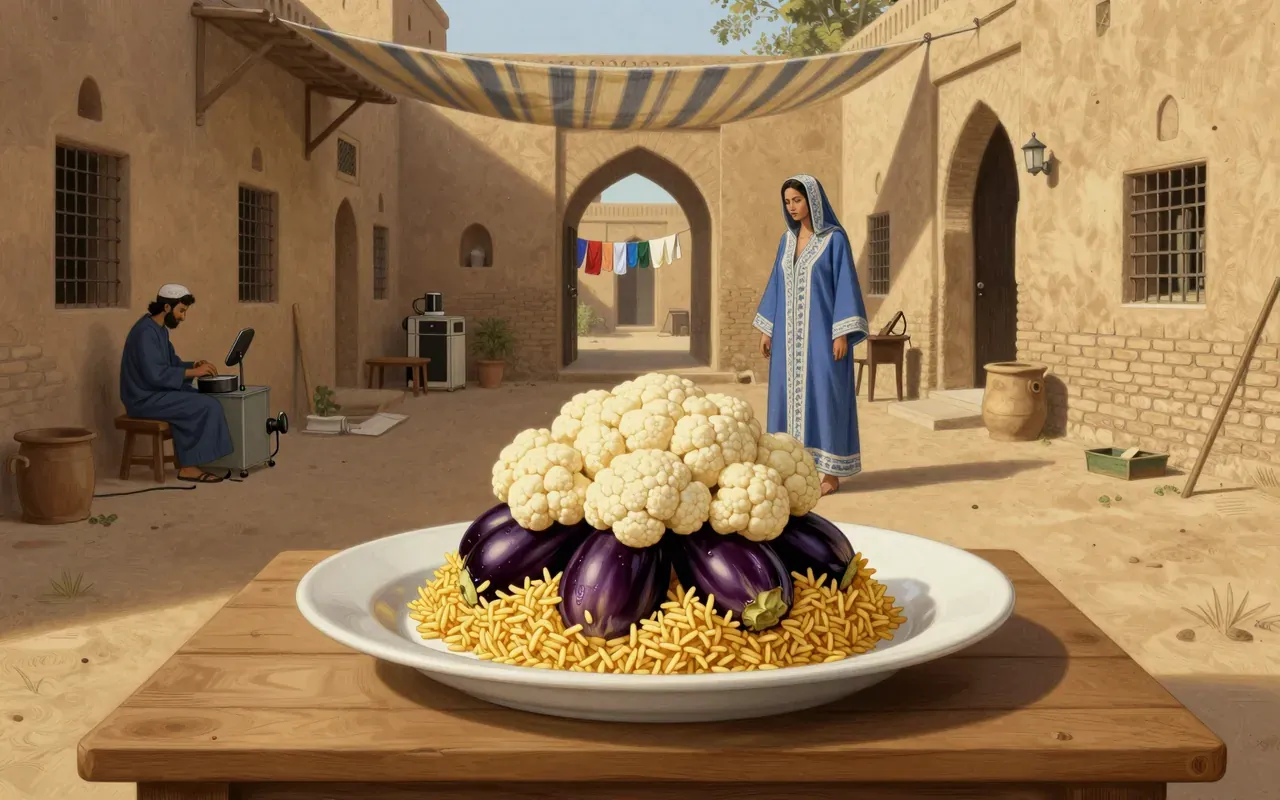
      MaqlubaMaqluba is a Levantine layered pilaf. Fried cauliflower and eggplant sit beneath rice and chicken or lamb. Cooked sealed in a pot, then inverted for service. Its name means 'upside-down'. It appears in a 13th-century Abbasid cookbook. It is served across Palestine, Jordan, Syria, Lebanon, Israel, and Iraq.
      9:23
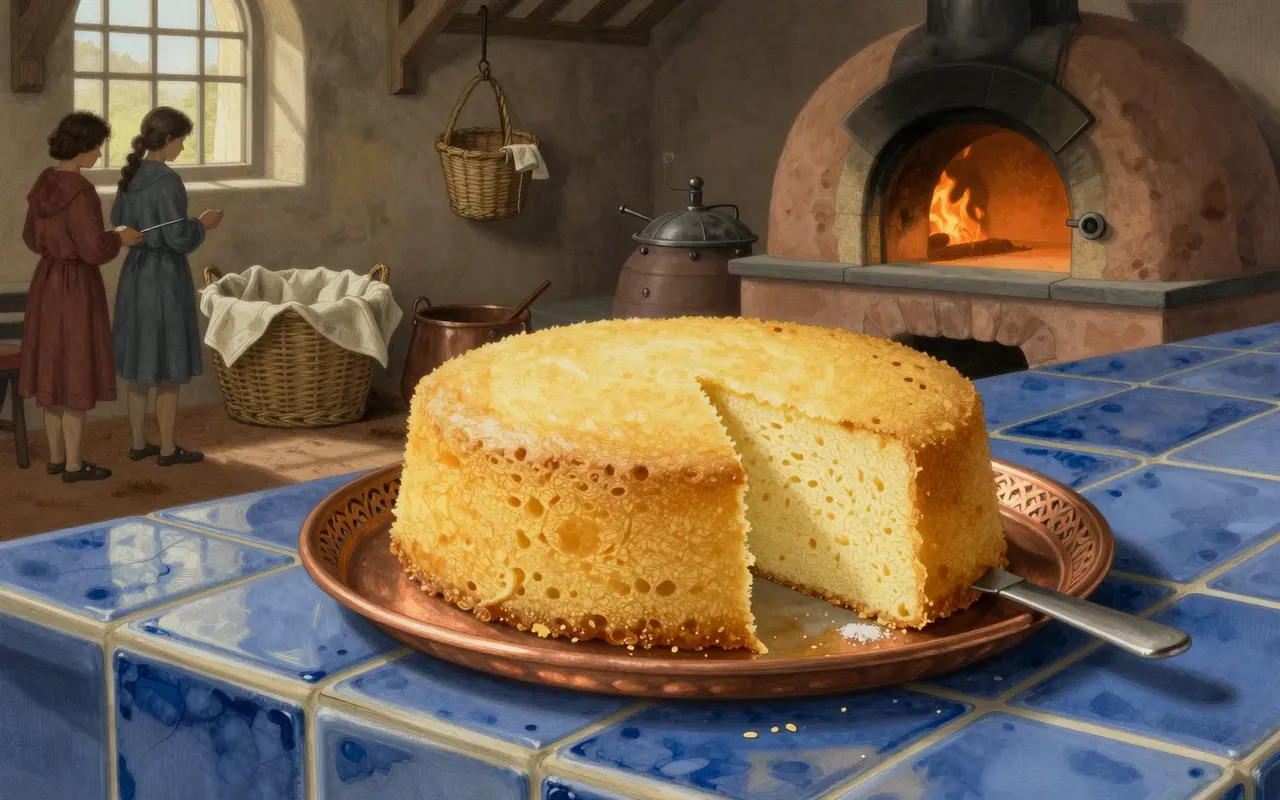
      Sponge cakeSponge cake is a foundational foam cake defined by aerated egg whites, flour, and sugar—fat-free, non-yeasted, and reliant on physical leavening. Its origins lie in 11th-century Moorish Spain; its earliest English recipe dates to 1615. The Victoria sponge emerged only after 1843, when baking powder enabled butter inclusion. Its success hinges entirely on the integrity of the egg-white foam—and its failure is immediate if that foam collapses.
      7:58
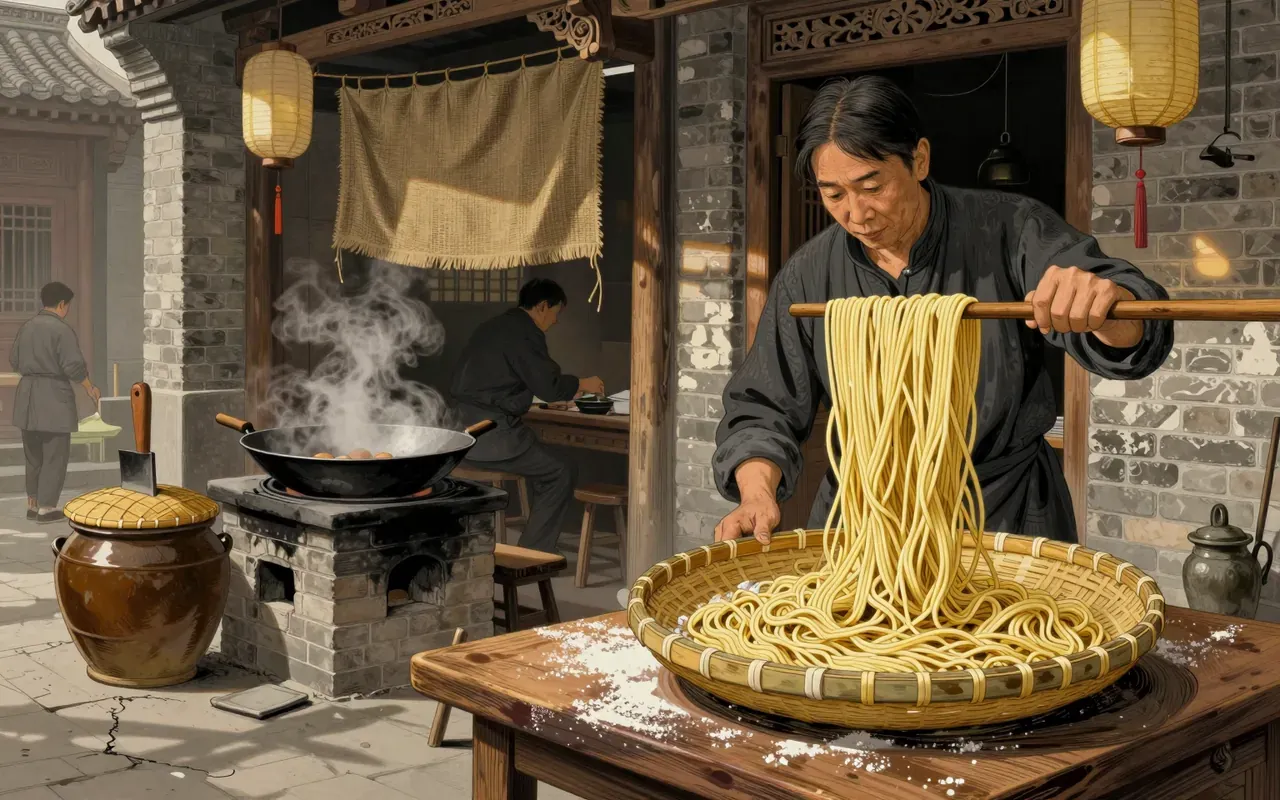
      Biangbiang noodlesBiangbiang noodles are thick, hand-pulled noodles from Shaanxi cuisine, historically eaten by Xi'an workers who needed fast, filling food. They are defined by their physical making — slapping, stretching, boiling — not by broth or garnish. Their name comes from the sound of dough hitting the counter. The associated character is exceptionally complex (58 strokes), but the dish itself is direct and functional. It prioritises chew, oil retention, and speed over delicacy or versatility.
      1:19
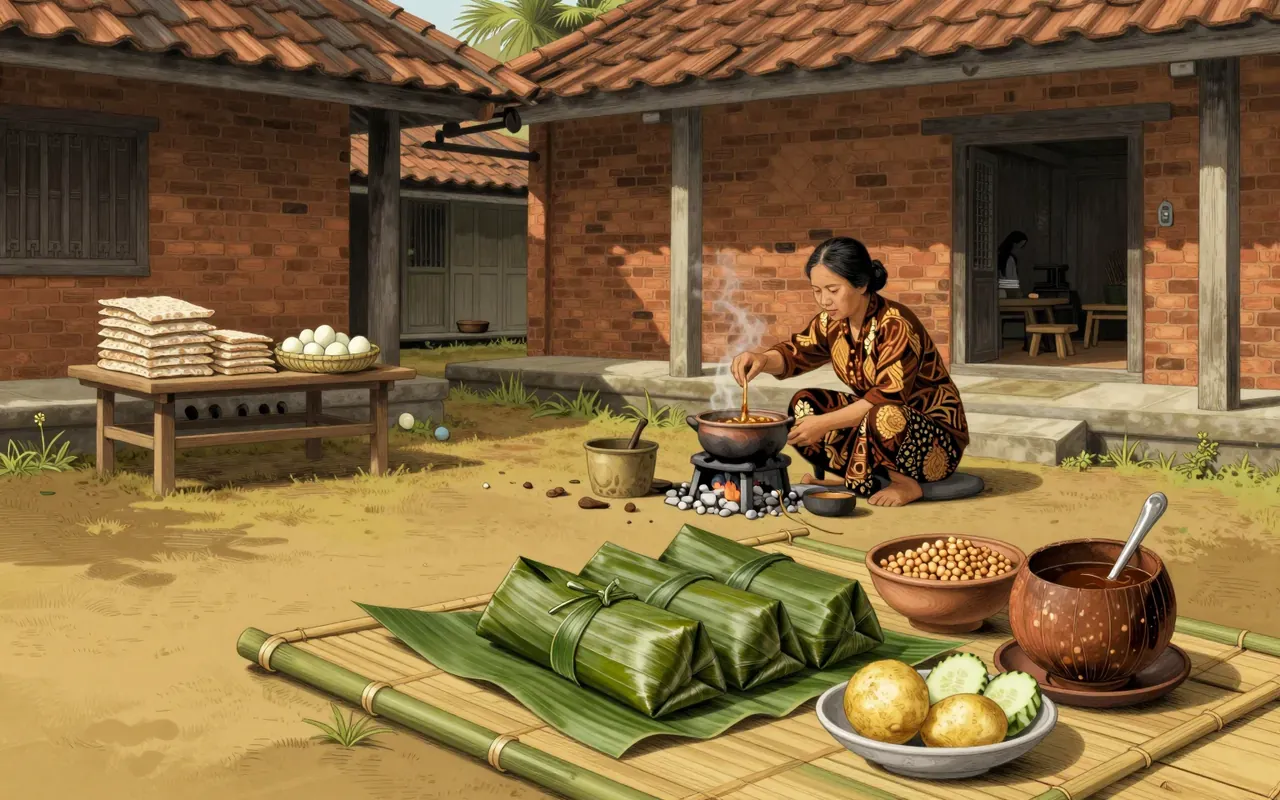
      Gado-gadoGado-gado is an Indonesian salad originating in West Java, including Jakarta, Banten, and West Java provinces. It features raw, blanched, steamed, or boiled vegetables, hard-boiled eggs, boiled potato, fried tofu and tempeh, and sliced lontong rice cake.
      Up next in Food

      Menemen (food)

      · 1:25

      A Turkish breakfast dish of eggs, tomato, green peppers, and spices cooked in olive oil.

      1:25