9:16in productionCh. 1 · Origin is a borderland/ 9:16 · ceiling 15 min
Drinks · Food history
Tea
Tea is not a beverage. It is a botanical borderland made liquid—and then weaponised, ritualised and traded across continents.
Tea is a plant, a practice and a political object—rooted in a precise geography, documented in imperial tombs and Han texts, ritualised in Tang courts, and moved across continents by Mongols and Portuguese. Its history is not one of gentle diffusion but of extraction, adaptation and asymmetry.
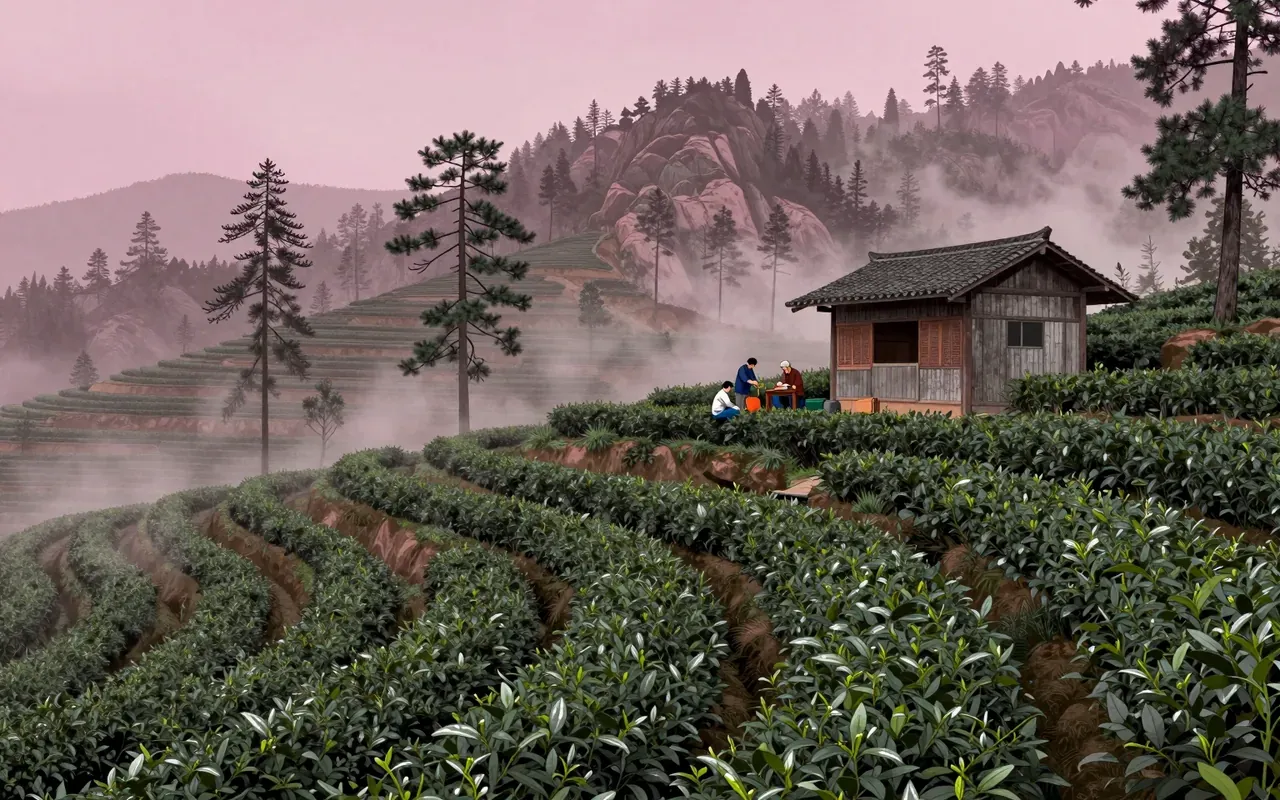
Tea is native to a precise, contested tri-border region—not 'Asia' or 'the East'.
2:29
Imperial before recreational
Han dynasty emperors drank it; Han dynasty texts boiled it—centuries before it was social.
3:40
Ceremony travelled first
Tang dynasty tea culture exported ceremony—not just leaves—to Japan, Korea and Vietnam.
5:02
Two empires, two infusions
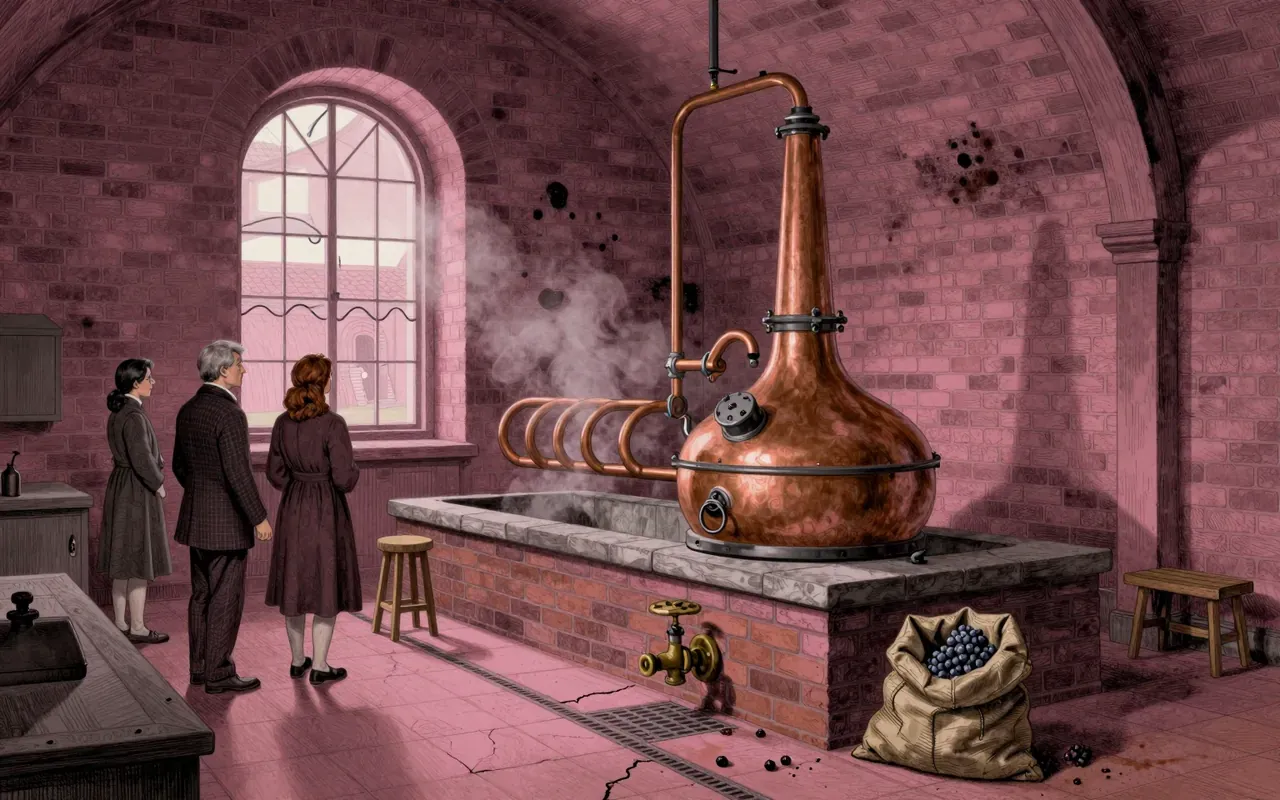
Mongol expansion moved tea inland via salted milk tea; Portuguese merchants moved it west by ship.
Worth your time?
Yes. Cook the whole thing.
4.5/ 5
What works
as a case study in premodern supply chains
as evidence of early botanical knowledge transfer
as a counterpoint to Eurocentric narratives of globalisation
What does not
buddhism
coffee
spices
Cook it if
historians of material culture
food policy researchers
anthropologists of ritual
Skip it if
casual drinkers seeking origin myths
tea marketers
spiritual wellness audiences
The written brief1 min read
What the thing is
Tea is an infusion made from leaves of Camellia sinensis.
Where it came from
It originated in the borderlands of southwestern China, northeast India and northern Myanmar.
What it gets right
It establishes tea as a botanical product of specific borderlands. It documents early imperial consumption, boiling methods, cultivation sites and ceremonial transmission across East Asia.
What it gets wrong
It implies continuity where evidence is fragmented. The jump from Han dynasty medicinal use to Tang dynasty recreation skips centuries of unrecorded practice. Ceremonial spread to Japan, Korea and Vietnam is asserted without evidence of timing or mechanism.
Why it matters now
Tea remains a vector for understanding colonial trade, cultural appropriation, climate-driven agricultural shifts and the globalisation of ritual—none of which the source material addresses, but all of which rest on its documented early mobility.
Is it worth your time
Yes—if you want to understand how a plant-based infusion shaped empires, trade routes and daily ritual across two millennia.