foodbriefs
1:19in productionCh. 1 · What the dish is and where it came from/ 1:19 · ceiling 15 min
Technique

Barbacoa

A slow-cooked meat dish from indigenous Mexican earth-oven traditions, now commonly made with beef head, goat, or sheep.

Barbacoa is the indigenous Mexican variation of pit or earth-oven cooking. It originated among multiple ethnic groups in pre-Columbian Mexico, each with their own name: nakakoyonki (Nahuatl), píib (Mayan), thumngö (Otomi).

Chapters & takeaways7
  1. 0:00
    What the dish is and where it came from

    Barbacoa is the indigenous Mexican variation of pit or earth-oven cooking.

  2. 0:12
    How it works, in terms someone would actually use

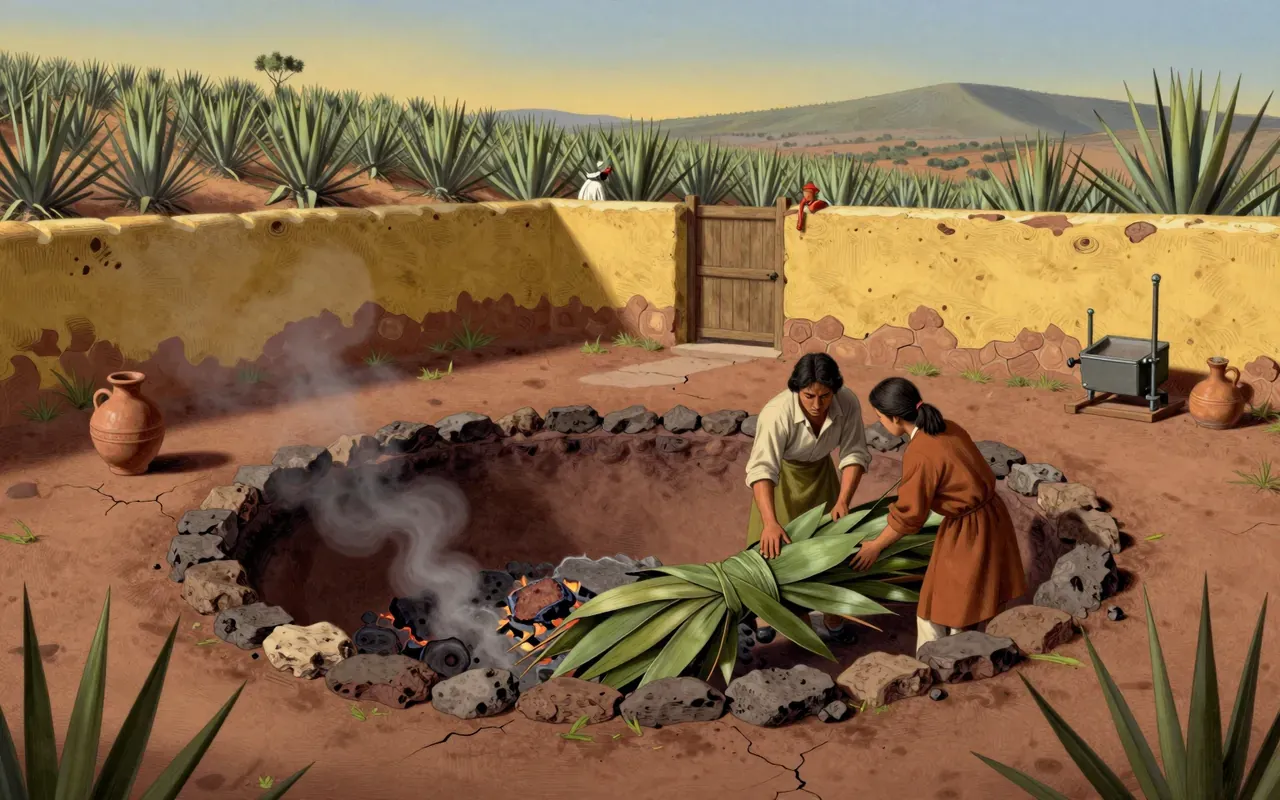
    A hole is dug to fit the meat; a fire heats it; the meat is wrapped in banana, maguey, or corn leaves; the hole is covered with soil and topped with another fire; cooking continues until done.

  3. 0:27
    What it gets right

    It delivers rich, high-fat meat with strong flavor, often served with onions and cilantro.

  4. 0:37
    What it does not

    The interpretation is loose: some modern versions refer only to steamed meat, omitting the earth oven entirely.

  5. 0:44
    What it changed

    Pre-Columbian barbacoa used turkey, deer, dog, fish, rabbit, turtles, and maguey stalks.

  6. 0:58
    Who it is for, and who it is not

    It is for people who enjoy rich, fatty, slow-cooked meats—especially beef head, goat, or sheep.

  7. 1:09
    Is it worth your time

    Yes—if you value deeply flavored, traditional slow-cooked meat served at communal gatherings.

Worth your time?

Selectively. Start with the brief, then cook the parts we point at.

What works
  • It delivers rich, high-fat meat with strong flavor, often served with onions and cilantro. Modern versions may use steaming when pit cooking isn’t feasible.
What does not
  • The interpretation is loose: some modern versions refer only to steamed meat, omitting the earth oven entirely.
Cook it if
    Skip it if
      The written brief1 min read

      What the dish is and where it came from

      Barbacoa is the indigenous Mexican variation of pit or earth-oven cooking. It originated among multiple ethnic groups in pre-Columbian Mexico, each with their own name: nakakoyonki (Nahuatl), píib (Mayan), thumngö (Otomi).

      How it works, in terms someone would actually use

      A hole is dug to fit the meat; a fire heats it; the meat is wrapped in banana, maguey, or corn leaves; the hole is covered with soil and topped with another fire; cooking continues until done.

      What it gets right

      It delivers rich, high-fat meat with strong flavor, often served with onions and cilantro. Modern versions may use steaming when pit cooking isn’t feasible.

      What it does not

      The interpretation is loose: some modern versions refer only to steamed meat, omitting the earth oven entirely.

      What it changed

      Pre-Columbian barbacoa used turkey, deer, dog, fish, rabbit, turtles, and maguey stalks. Spanish arrival shifted meats to mutton, beef, pork, and goat. It became central to rural celebrations like rodeos and patron saint festivals.

      Who it is for, and who it is not

      It is for people who enjoy rich, fatty, slow-cooked meats—especially beef head, goat, or sheep. It is not for those seeking lean protein, vegetarian options, or quick meals.

      Is it worth your time

      Yes—if you value deeply flavored, traditional slow-cooked meat served at communal gatherings. Its cultural role and distinctive preparation make it distinct among Mexican meat preparations.
      Same course · Technique4 of 87
      Up next in Food

      Barfi

      · 1:01

      A fudge-like milk-based sweet from the Indian subcontinent, made from khoa and sugar.

      1:01