What the dish is and where it came from
Cider is an alcoholic beverage made from the fermented juice of apples. The juice of most apple varieties, crab apples included, can be used, but cider apples are the most desirable. In Old English a drink made from apples was called æppelwīn, “apple wine”.
The first recorded reference to cider dates to 55 BCE, when Julius Caesar, on his first attempt to invade Britain, found the native Celts fermenting crabapples. Cider was first made from crab apples, ancestors of the bittersweet and bittersharp apples English makers use today. Britain and Ireland have the world’s highest per capita consumption and the largest cider-producing companies.
How it works, in terms someone would actually use
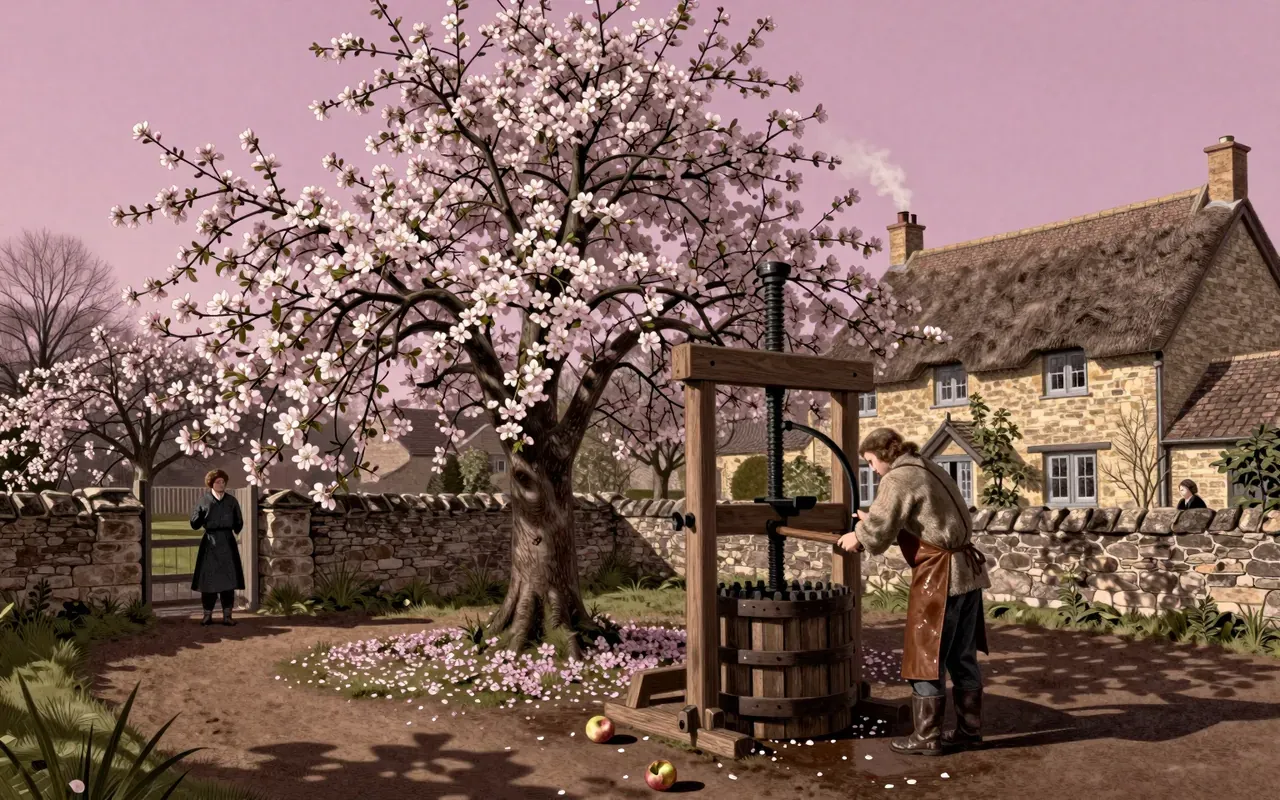
Apples are scratted, ground into a pulp, then pressed to extract the juice. Traditionally sweet straw or haircloths were placed between layers of pulp. Today a mechanised belt press does the work.
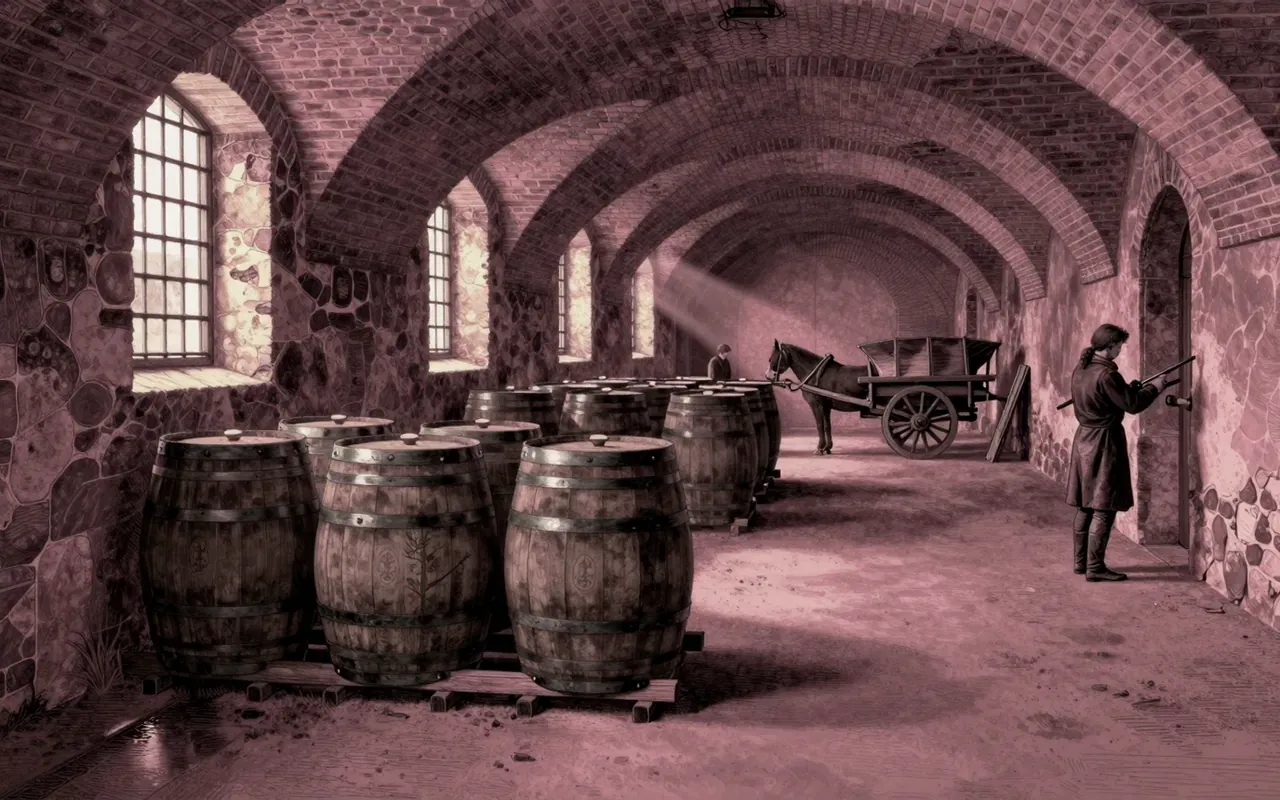
Yeasts convert the sugars into alcohol, in a process much like fermenting wine. Cider is fermented at 4 to 16 degrees Celsius, which is low for most fermentation but gives slower fermentation and less loss of delicate aromas. Either natural yeasts or cultivated strains can start it, and the cider is racked into clean vessels to leave dead yeast behind. It is ready to drink after three months, though it is often matured in vats for up to three years.
What it gets right
Cider covers a wide range, from dry to sweet, cloudy to clear, still to sparkling. Modern ciders use culinary apples, which are lower in tannin and higher in acidity. Heritage ciders use cider and wild apples such as Dabinett and Kingston Black and carry more tannin. Tannins control astringency and bitterness and the length of the aftertaste.
Speciality styles go further: fruit, hopped, spiced, wood-aged, sour and ice ciders.
What it does not
Wild fermentation makes it harder to produce batches with the same character. Definitions also shift by place. UK law requires at least 35 percent apple juice, the Campaign for Real Ale asks for 90 percent for “real cider”, the United States sets a 50 percent minimum, and France requires cider to be made solely from apples.
Sugar is another limit. A 2014 study found that a one-pint bottle of mass-market cider held 20.5 grams of sugar, five to ten times the amount in lager or ale.
What it changed
Caesar took the discovery back through continental Europe with his retreating troops. Regional styles developed. English cider became a drier, higher-alcohol drink from open vats and bittersweet crab apples, while the French developed a sweet, low-alcohol cidre using sweeter apples and keeving, a slow-fermentation method.
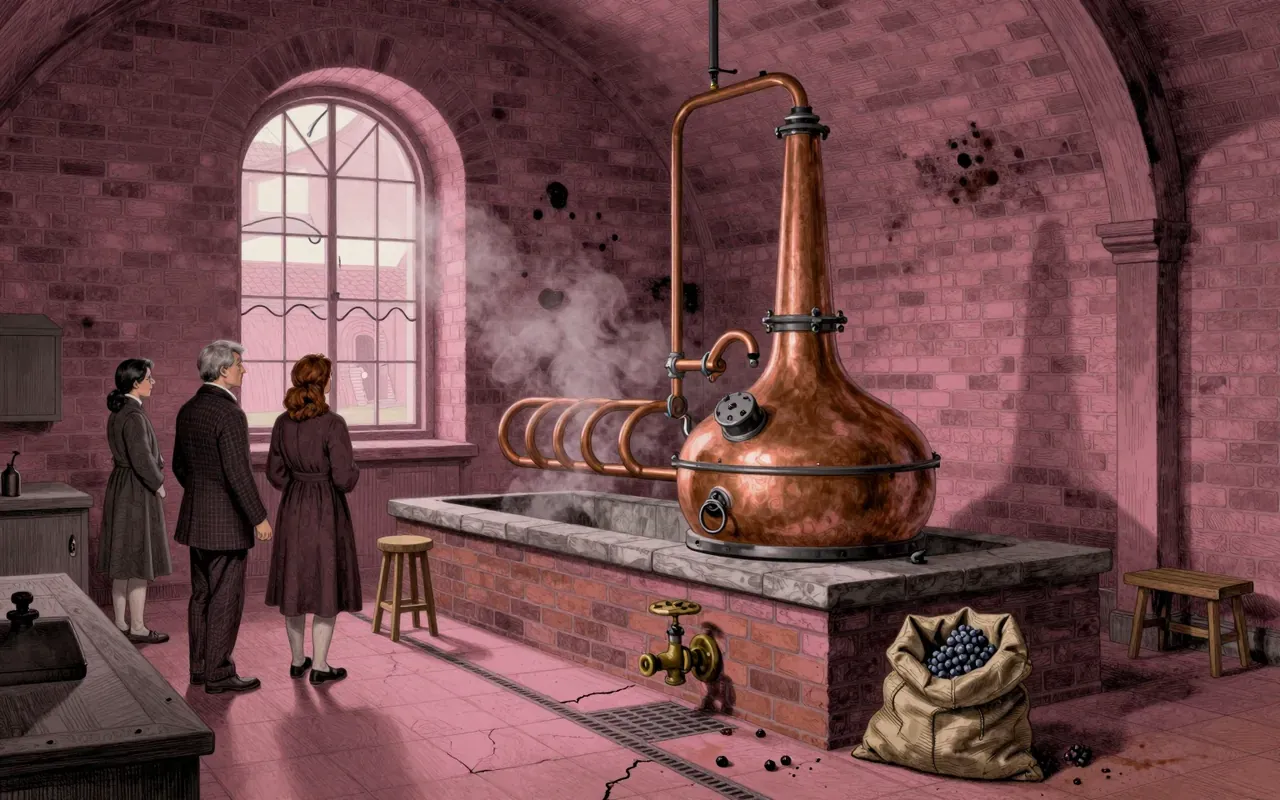
Cider also leads to other drinks. Distilled, it becomes fruit brandy: Calvados in Normandy and applejack in North America. Ice cider began in Quebec, and pommeau is a Normandy apéritif of apple juice and apple brandy. The western British tradition of wassailing the apple trees with an offering of cider and bread in January appears to be relatively ancient.
Who it is for, and who it is not
Cider suits anyone who likes a fruit-based drink that ranges from dry to sweet, from 1.2 percent alcohol up to 12 percent or more. In the United States and Canada, “hard cider” distinguishes it from non-alcoholic apple cider.
It is a poor fit for someone watching sugar intake, or for a drinker who wants identical bottles from a wild-fermented maker.
Is it worth your time
Yes, for the range of styles and the apple varieties behind them. Modern and heritage ciders differ in tannin, so the style on the label tells you what to expect.