Cognac is named after a place—and legally bound to it.
2:28
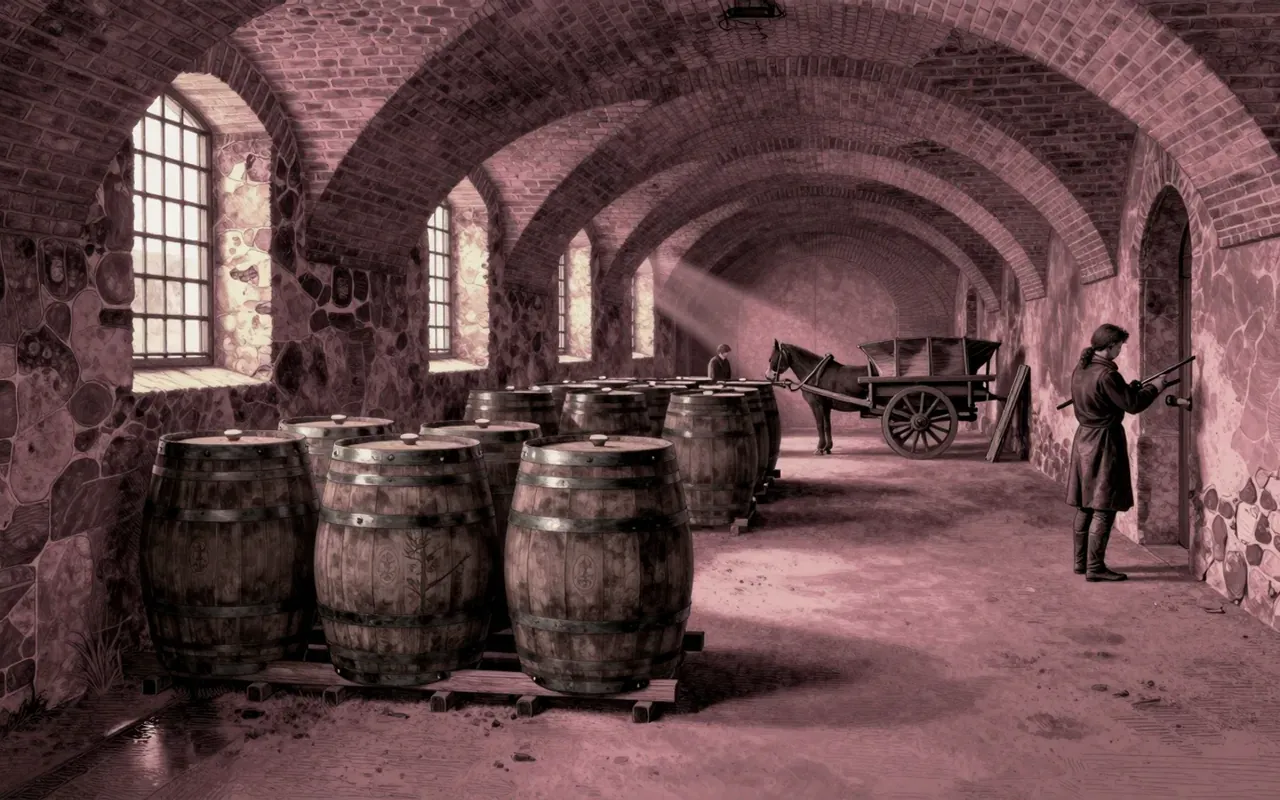
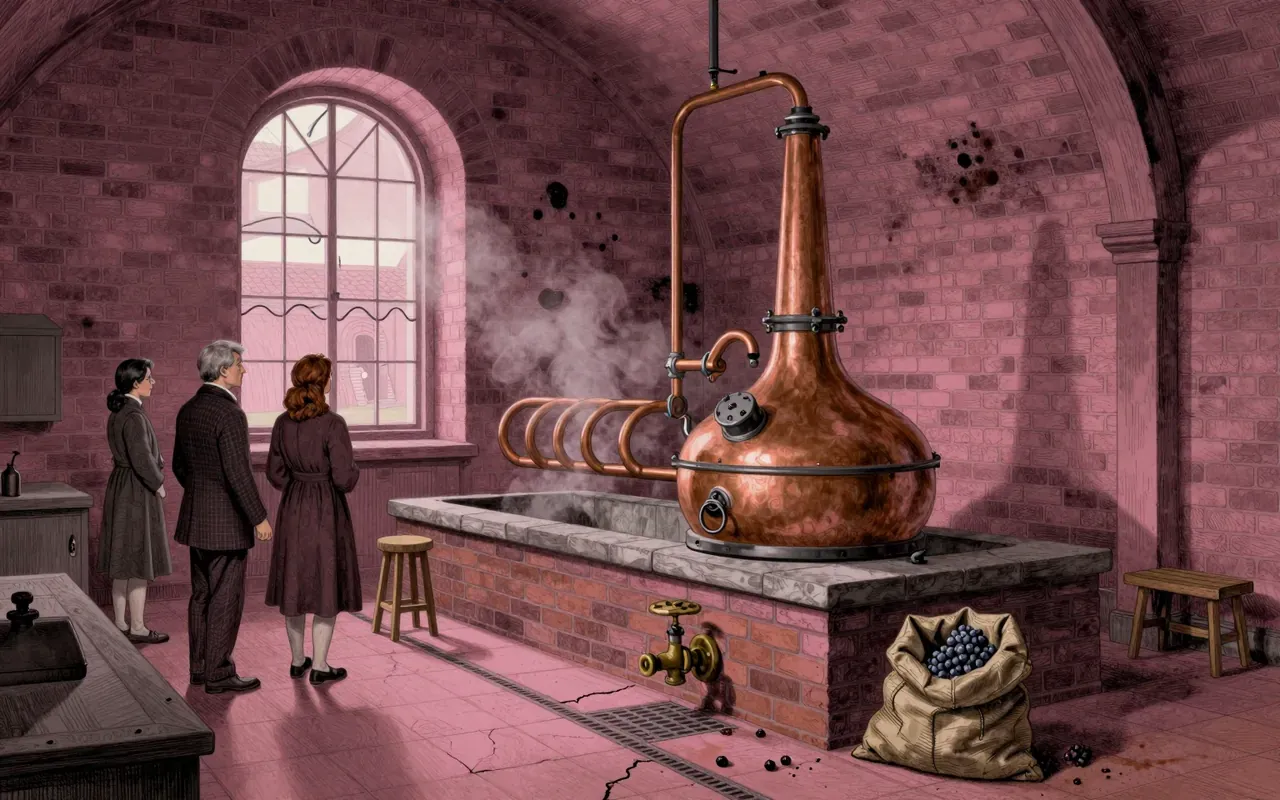
Codified in Copper and Oak
Every step—from still shape to barrel origin—is mandated by French law.
4:04
No Additives. No Exceptions.
Ugni blanc dominates. Wild yeast ferments. Sugar and sulphur are banned.
5:08
Alcohol as Legal Output
Two distillations in controlled alembic stills yield 70% eau de vie.
Worth your time?
Yes. Cook the whole thing.
4.5/ 5
What works
as a case study in cultural codification
as a benchmark for geographical indication law
What does not
culture/arts
culture/literature
culture/movements-and-scenes
culture/subcultures
Cook it if
people who study regulation as culture
distillers
lawyers with a palate
Skip it if
those seeking experimental spirits
casual cocktail drinkers
The written brief1 min read
What the thing is
Cognac is a legally defined French brandy. Not a style. Not a category. A place-bound product governed by AOC law.
Where it came from
It originated in the commune of Cognac and the surrounding departments of Charente and Charente-Maritime.
What it gets right
It enforces terroir through ironclad rules: grape variety, wild yeast, copper stills, oak origin, minimum aging. Nothing is left to interpretation.
What it gets wrong
It excludes innovation by design. No new grape varieties. No alternative yeasts. No deviation from double distillation—even if science suggests alternatives.
Why it matters now
It is a working model of regulatory rigidity—proof that cultural value can be locked into statute, enforced across centuries, and exported globally as luxury without needing reinvention.
Is it worth your time
Yes—if you care about how legal precision shapes taste, or how geography becomes codified in alcohol.