foodbriefs
11:24in productionCh. 1 · Where it came from/ 11:24 · ceiling 15 min
Dishes · Food history

Cuban sandwich

The Cuban sandwich is Tampa’s invention—not Miami’s—and it works because it compresses conflict into crisp bread.

The Cuban sandwich is a pressed ham-and-pork sandwich from early-20th-century Tampa or Key West cafés serving Cuban cigar workers.

Chapters & takeaways4
  1. 1:03
    Where it came from

    It was born in Ybor City cafés before 1900, not in Havana or Miami.

  2. 3:13
    How it holds together

    Plancha compression locks in moisture while crisping the crust—no steam, no sogginess.

  3. 4:59
    Who owns it

    Andrew Huse calls it an 'original Tampa creation'—not an import or adaptation.

  4. 7:04
    How it moved

    It went from Tampa’s 1934 'signature food' to Miami’s 1960s cafeteria staple after migration.

Worth your time?

Yes. Cook the whole thing.

4.5/ 5
What works
  • compression fuses fillings without steaming them out
  • pickles cut the pork’s richness
  • mustard binds without masking
What does not
  • salami is essential
Cook it if
  • eaters who want bold, unapologetic savouriness in a portable format
Skip it if
  • those seeking subtlety, freshness, or minimal processing
The written brief1 min read

What the dish is and where it came from

A pressed ham-and-pork sandwich from early-20th-century Tampa or Key West cafés serving Cuban cigar workers. The earliest recorded mentions of a distinct Cuban sandwich come from descriptions of workers’ cafés in Ybor City and nearby West Tampa from around 1900. Researcher Andrew Huse states the Cuban sandwich is an original Tampa creation.

How it works, in terms someone would actually use

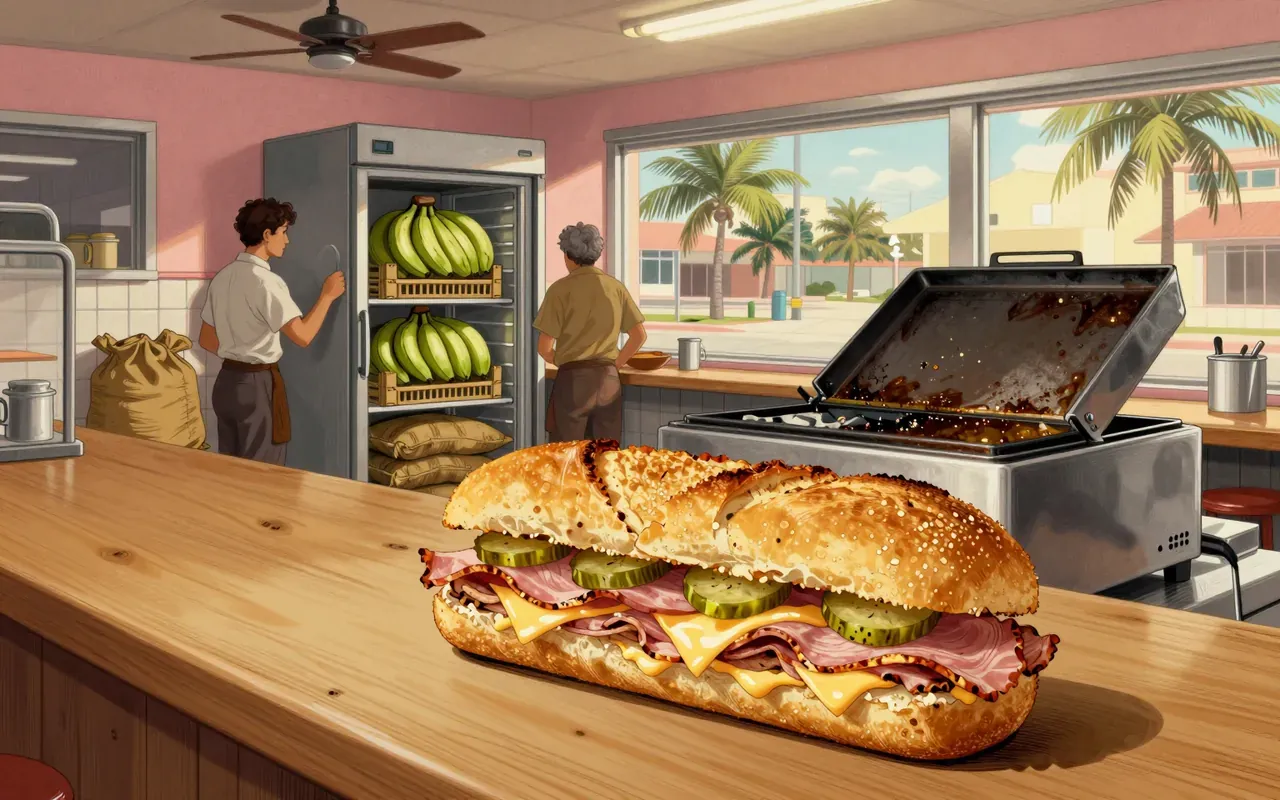
Ham, roast pork, Swiss cheese, dill pickles, and yellow mustard are layered on Cuban bread. The sandwich is toasted and compressed in a plancha until the bread crisps and the cheese begins to melt.

What it gets right

It uses compression and dry heat to fuse fillings without steaming them out; the pickles cut the pork’s richness; the mustard binds without masking.

What it does not

It does not rely on salami as a defining ingredient—though Tampa versions include it, that addition is contested and fuels rivalry, not consensus.

What it changed

It turned the workers’ café mixto into a regional signature, anchoring Tampa’s food identity before Miami adopted it post-1959. A 1934 travel article listed Cuban sandwiches among Tampa’s “signature foods”. By the 1960s they were common on Miami cafeteria and restaurant menus.

Who it is for, and who it is not

It is for eaters who want bold, unapologetic savouriness in a portable format. It is not for those seeking subtlety, freshness, or minimal processing.

Is it worth your time

Yes—if you want a dense, savoury, texturally decisive sandwich that delivers salt, acid, fat, and crunch in one bite.
Same course · Dishes4 of 504
1:08
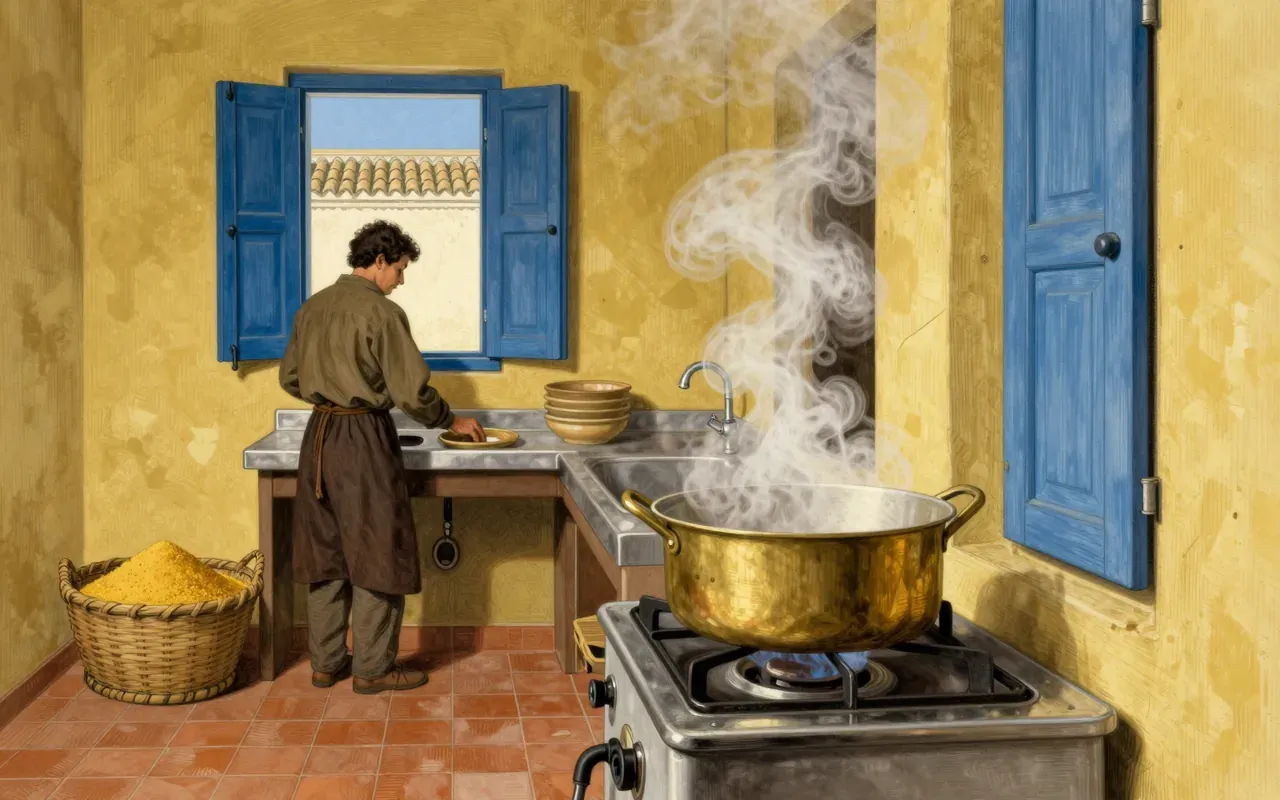
CouscousCouscous is a traditional North African dish of small steamed granules of rolled semolina, often served with stew. It is a staple across the Maghreb—Algeria, Tunisia, Mauritania, Morocco, and Libya.
9:47
CurryCurry is a colonial construct—not a dish, but a British-imposed category that flattened India’s named, regional preparations into a single, exportable idea. Its method relies on frying spices in fat to build flavour; its history begins with medieval Indian broths seasoned with black pepper, then pivots decisively with the arrival of chilies, tomatoes, and potatoes. It gets right the centrality of spiced, saucy cooking—but fails as a descriptor, because Indians never called their food ‘curry’. It changed how the world talks about food: turning rogan josh into ‘a curry’, sambar into ‘a curry’, and vindaloo into ‘a curry’. It is for readers who want to question labels, not follow recipes. Worth your time only if you treat it as a case study in cultural translation—not a cooking guide.
0:56
ShakshoukaShakshouka is a Maghrebi dish of eggs poached in a sauce of tomatoes, olive oil, peppers, onion, and garlic, commonly spiced with cumin, paprika, and cayenne pepper.
10:55
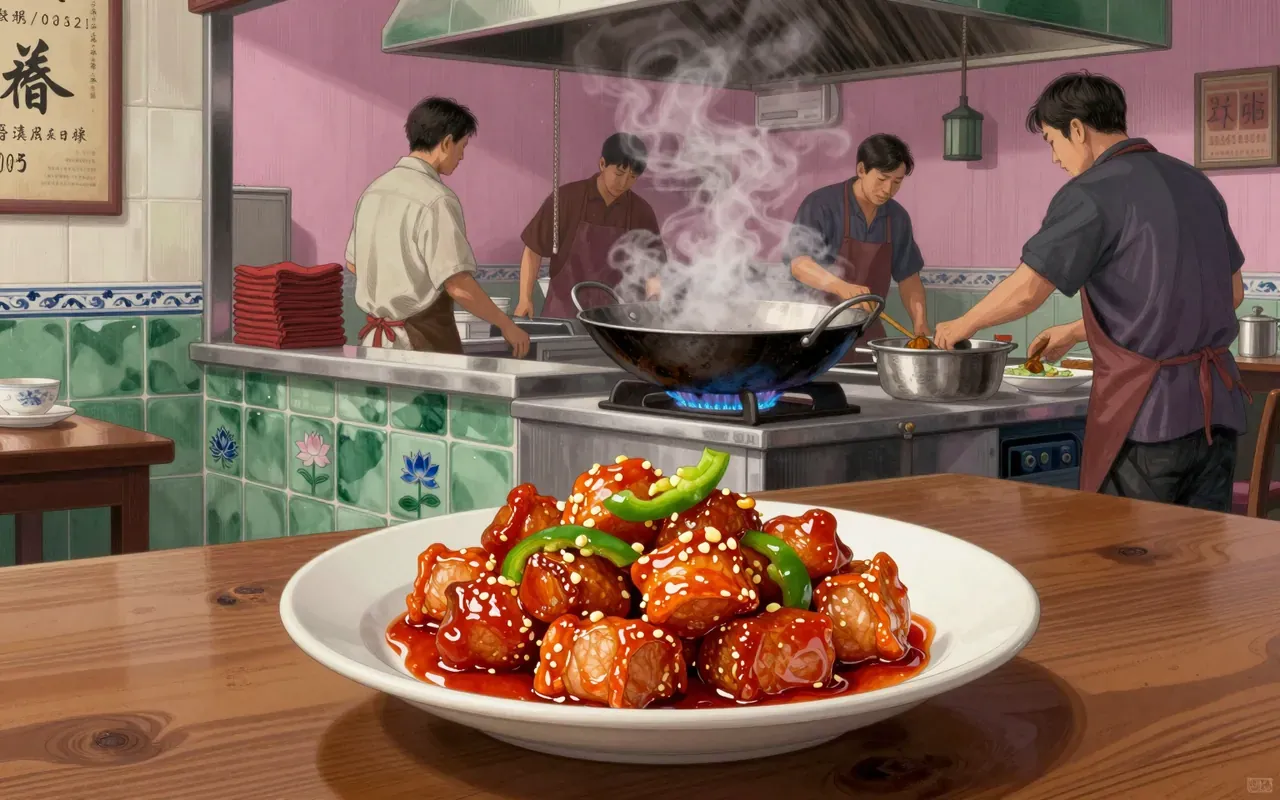
Sweet and sour porkSweet and sour pork is a Cantonese dish adapted for foreigners in 18th-century Guangdong, then carried to the US by Chinese migrants during the Gold Rush and railroad era. It uses double-frying—a genuine Cantonese technique—to deliver crispness, and its sauce balances sweetness and acidity to suit Western palates. It succeeds as functional diplomacy on a plate, but fails as cultural shorthand: it stands in for all Chinese food while erasing its Cantonese specificity and diasporic labour. Its endurance proves adaptation isn’t betrayal—it’s strategy.
Up next in Food

Curing (food preservation)

· 8:21

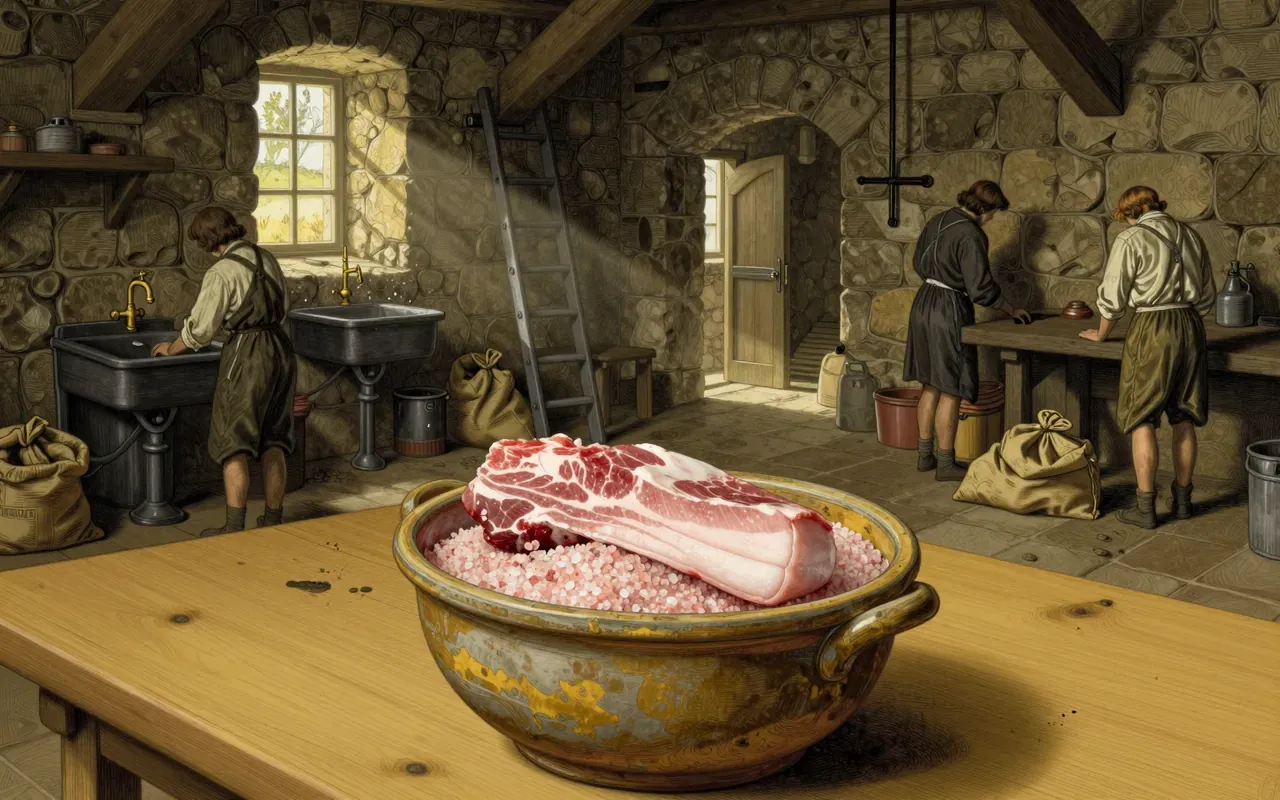
Curing doesn’t just stop rot—it rebuilds food’s structure, taste, and shelf life with salt, time, and chemistry.

8:21