What the dish is and where it came from
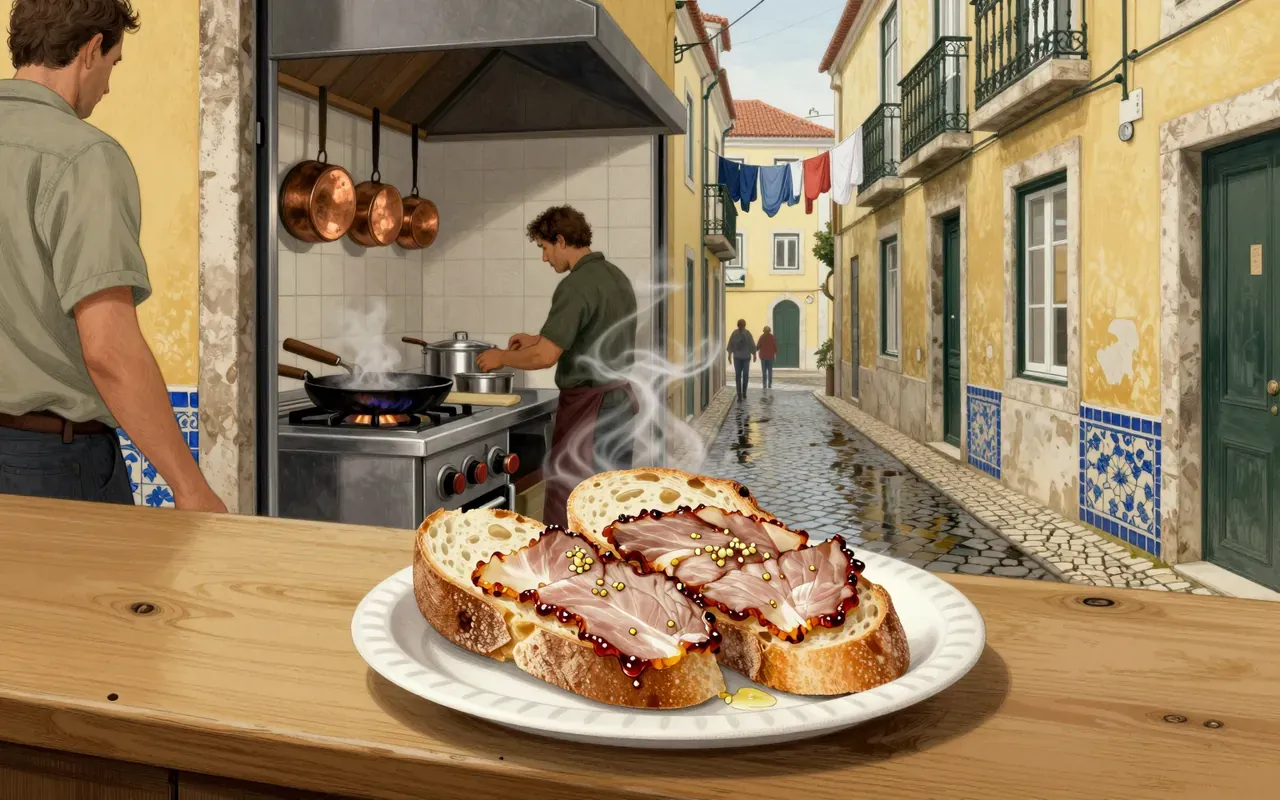
Bifana is a Portuguese pork sandwich. It may have first been created in Vendas Novas. It is served across Portugal, especially at festivals.
How it works, in terms someone would actually use
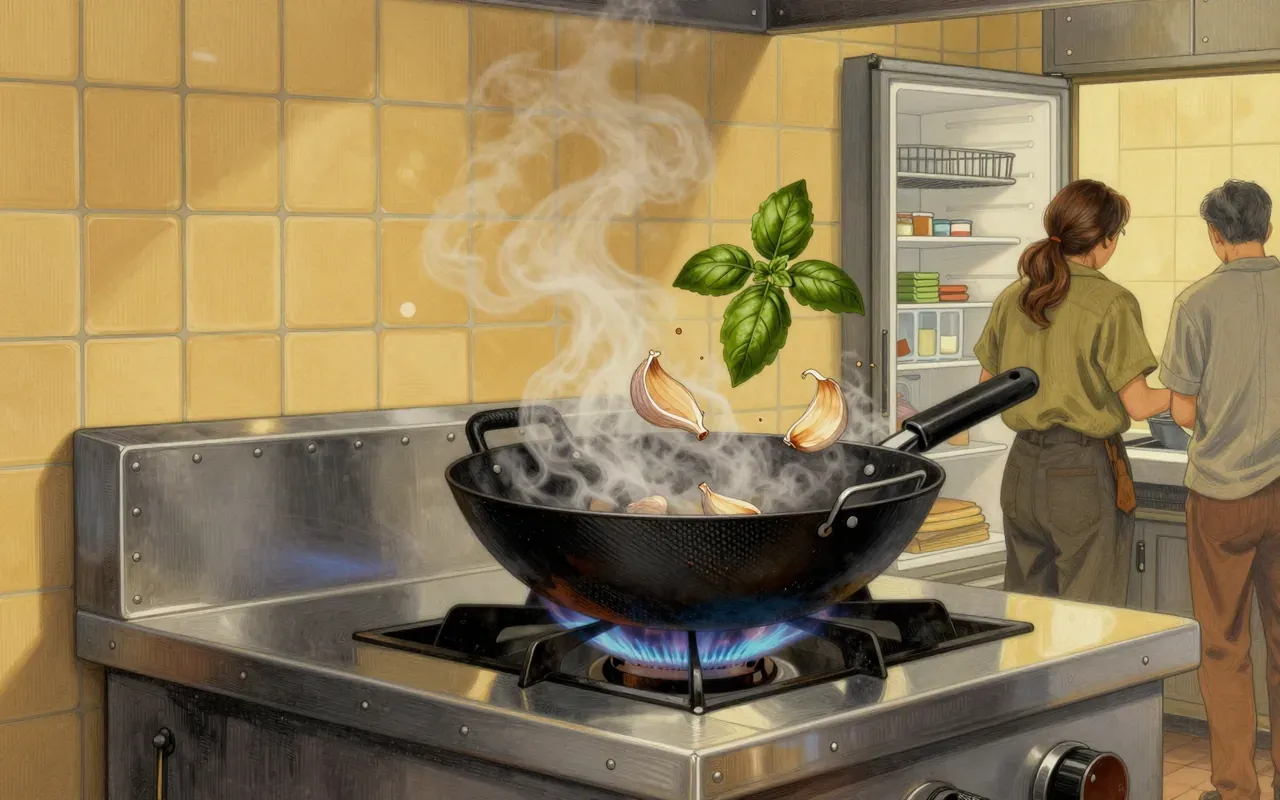
Pork is pounded thin or sliced, then simmered with garlic and wine until tender. It is served hot in heated bread. Northern versions use shredded pork and a sauce; southern versions use a pork cutlet with a light marinade.
What it gets right
It delivers pork that is tender without being mushy. Garlic and wine create a savoury base that clings to the meat without masking it. It is fast to cook and easy to scale.
What it does not
It does not deliver crisp texture, deep umami depth or balanced acidity. The wine simmers off most of its character. The bread is functional, not structural.
What it changed
It established a national template for the Portuguese street sandwich: minimal ingredients, maximal heat, regional divergence baked into its identity.
Who it is for, and who it is not
It is for festival-goers, workers needing lunch, and anyone who values speed and warmth over nuance. It is not for diners seeking layered seasoning, textural contrast or ingredient provenance.
Is it worth your time
Yes — if you want a fast, cheap, portable meal built on simple technique and regional variation. No — if you expect complexity, refinement or consistency across regions.